Is Carbon Monoxide Gas Heavier Than Air

Alright, let's chat about carbon monoxide, or CO as its less friendly nickname goes. We all know it's a bit of a sneaky villain, invisible and odorless, but there's often a bit of head-scratching when it comes to one particular question: Is it heavier than air?
You might have heard whispers, or maybe even been told, that it's heavier and sinks, or perhaps it's lighter and floats. It’s like trying to figure out if your uncle's "secret family recipe" for barbecue sauce uses more ketchup or mustard – everyone has an opinion, but the truth is often a little less dramatic than you think.
The Great Weight Debate: CO vs. Air
So, let's get down to brass tacks. Is carbon monoxide heavier than air? The short, somewhat unsatisfying answer is: not really in a way that matters for your safety.
Must Read
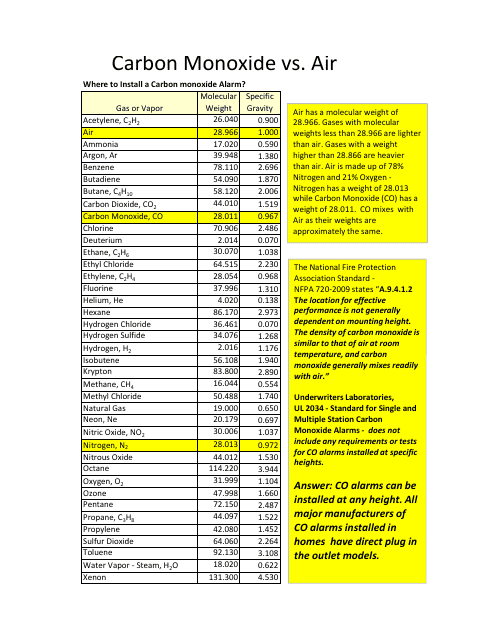
I know, I know. It's not a dramatic reveal like in a detective movie. It's more like finding out the big mystery villain was actually just your neighbor Barry in a wig. The truth is, CO is actually slightly lighter than average air. We're talking a hair, a whisper, a microscopic difference. Air (which is mostly nitrogen and oxygen) has an average molecular weight of about 29 grams per mole. Carbon monoxide? Roughly 28 grams per mole. See? We're splitting atoms here!
Think of it like this: Imagine you have two identical-looking bags of potato chips. One is regular, the other is light salt. Can you tell which is which by just picking them up? Probably not! They feel practically the same. That's our CO and air situation.

Why "Slightly Lighter" Doesn't Mean "Floats to the Ceiling"
Because the difference is so incredibly minor, carbon monoxide doesn't act like helium in a balloon, zooming up to the ceiling. And it certainly doesn't act like an invisible bowling ball, pooling at your feet. Instead, it does what all good, well-behaved gases do when they're introduced into another gas of similar density: it mixes.
Imagine you're making a delicious smoothie. You don't just put the blueberries on the bottom and the bananas on top, expecting them to stay neatly separated. No, you hit that blend button, and everything swirls together into a delightful, uniform concoction. That's what CO does with the air in your home. It blends, it mixes, it disperses everywhere.
Remember that time you burned toast and the smell seemed to fill the entire house in a blink? Or when someone wore too much perfume, and you could smell them from across the room? Those airborne particles don't obey strict height rules; they travel and mix. CO is the same, just without the tell-tale smell (or the toast!).
The "Where Should I Put My Detector?" Conundrum
This mixing superpower is why the common advice for CO detector placement isn't as rigid as, say, smoke detectors. With smoke, we generally want detectors higher because hot smoke rises. With CO, since it mixes so thoroughly, whether your detector is near the floor or up high, it's going to detect the gas. Manufacturers often recommend waist height or higher, but the crucial thing is to have them there, period.
It's like deciding where to put your snacks for a movie night. Sure, putting them on the coffee table is convenient, but if they were on a nearby end table, you'd still reach for them just fine. The important part is that they're accessible. Same for CO detectors: get them installed according to the manufacturer's instructions, and they'll do their job of sniffing out that invisible intruder.
The Takeaway: It's a Mixer, Not a Floater or a Sinker
So, the next time someone asks if carbon monoxide is heavier than air, you can confidently explain that while it's technically a smidgen lighter, for all practical purposes, it's a master mixer. It doesn't play favorites with heights; it just spreads itself around, making it a danger throughout your entire space.
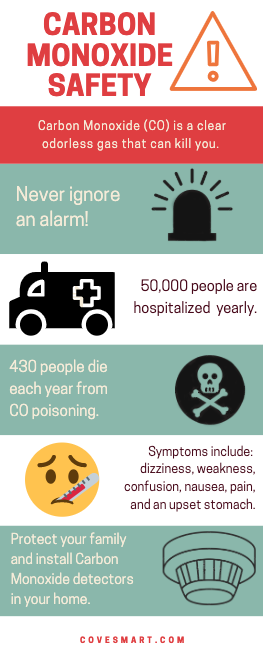
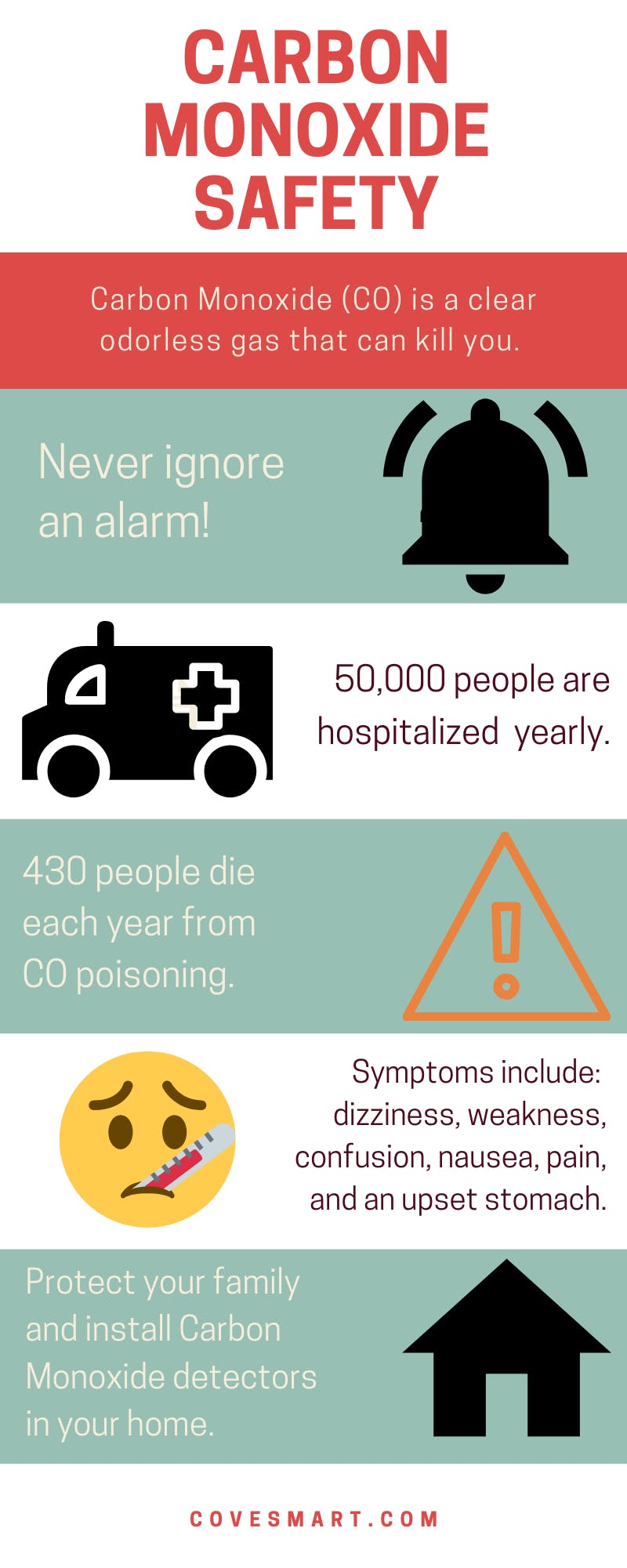
This ease of mixing is precisely what makes it so dangerous. It doesn't give you a heads-up by pooling somewhere visible. It just quietly, stealthily integrates itself into the very air you breathe. So, keep those CO detectors running, give them fresh batteries, and remember: carbon monoxide is a true all-rounder when it comes to occupying your air, not just a specific layer.