
Is Carbon Dioxide And Carbon Monoxide The Same
Ever found yourself scratching your head, wondering if a couple of words that sound suspiciously similar are actually... well, the same thing? Like, is a llama just a fancy alpaca? (Spoiler: nope!) Or is a croissant just a really buttery roll? (Okay, that one's closer, but still no!) Today, my curious friends, we're diving into a similar, yet far more critical, linguistic and chemical conundrum: Is Carbon Dioxide and Carbon Monoxide the same?
Let's be honest, those names roll off the tongue with a very similar vibe. One's got a "di" in there, the other a "mono." Sounds like a minor detail, right? A little wordplay? Oh, but dear reader, in the fascinating world of chemistry, a tiny prefix can mean the difference between a refreshing breath of fresh air and... well, let's just say, not such a refreshing breath.
So, let's unravel this delightful little mystery, shall we? Prepare to feel a little smarter, a little safer, and maybe even a little more inspired to peek behind the curtain of everyday science!
Must Read
Carbon Dioxide (CO2): The Life-Giver (and the Climate Talker)
First up, let's chat about Carbon Dioxide, or CO2 for short. You know this one! It's practically famous. When you take a big, glorious breath in, your lungs do their magic, and then you exhale... poof! Out comes CO2. Plants, those incredible green machines, absolutely adore CO2. They gobble it up like it's the tastiest spaghetti carbonara, mix it with sunlight and water, and voilà – they make oxygen for us to breathe and food for themselves. It's called photosynthesis, and it's basically the planet's most important recipe!
CO2 is a natural part of our atmosphere. It helps keep our planet warm enough to sustain life (a little like a cozy blanket). Now, you might hear a lot about CO2 in the news regarding climate change, and yes, that's a crucial conversation. But for now, let's focus on its natural role: it's essential for life as we know it! It's everywhere, it's natural, and within healthy limits, it's our buddy. Think of it as the friendly, ubiquitous gas that keeps the cycle of life spinning.
Carbon Monoxide (CO): The Silent Sneaker
Now, let's pivot to its deceptively similar-sounding cousin: Carbon Monoxide, or CO. This is where we need to sit up straight and pay attention, because CO is a very different beast indeed. While CO2 is busy helping plants and warming the Earth, CO is... well, it's kind of a sneaky villain.
Here's the scary part: Carbon Monoxide is colorless, odorless, and tasteless. You can't see it, you can't smell it, and you certainly can't taste it. It's the ultimate invisible threat. It's formed when things burn without enough oxygen – think faulty furnaces, car exhaust in an enclosed space, charcoal grills indoors, or even a clogged fireplace flue. Instead of fully burning and producing mostly CO2, these situations create CO.
And why is it so dangerous? Because when you inhale CO, it's a bit of a bully. It barges into your bloodstream and kicks oxygen out of your red blood cells faster and more effectively than oxygen itself! This means your body, especially your brain and heart, gets starved of the oxygen it desperately needs to function. Symptoms can range from headaches and dizziness to confusion and, sadly, much worse if exposure continues. It's truly a silent killer.
The Big Reveal: One Tiny Atom Makes All the Difference!
So, what's the fundamental difference? It all boils down to that little prefix!

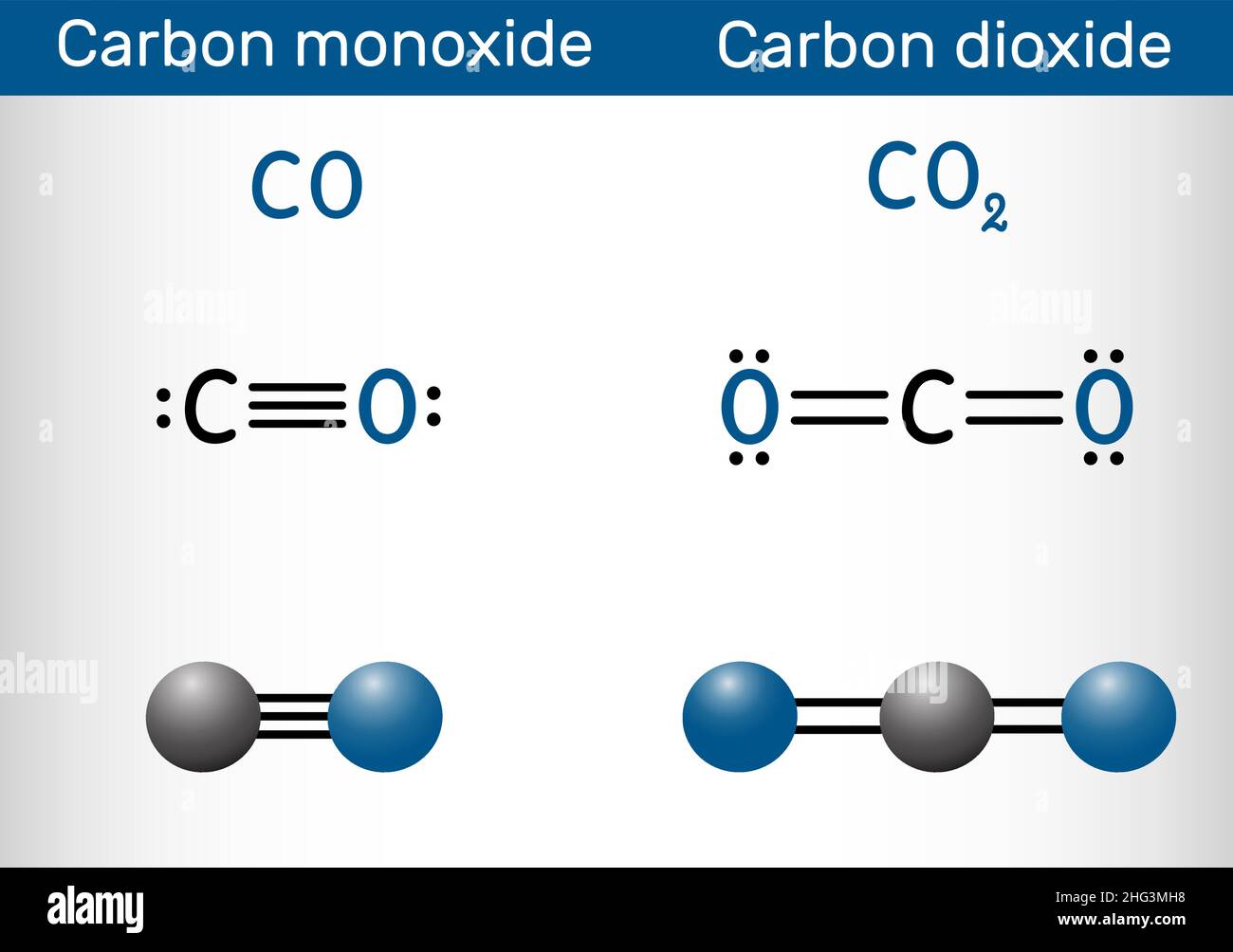
- "Di" in Carbon Dioxide means two. So, CO2 has one carbon atom bonded with two oxygen atoms.
- "Mono" in Carbon Monoxide means one. So, CO has one carbon atom bonded with just one oxygen atom.
Think about it like this: Imagine you're building with LEGOs. You have one black brick (carbon) and some red bricks (oxygen). If you attach two red bricks, you get one thing (CO2). If you attach just one red brick, you get something totally different (CO)! That single missing oxygen atom completely changes the molecule's personality and its effects on your body. It's like the difference between a friendly puppy (CO2) and a stealthy, venomous snake (CO) – both animals, but with vastly different outcomes if you encounter them!
Isn't that wild? How one little atom can turn something essential for life into something incredibly deadly? It's a fantastic reminder that in science, the details matter!
Why Does Knowing This Make Life More Fun? (And Safer!)
"Okay, smarty pants," you might be thinking, "how does this make my life more fun?" Well, for starters, knowing this crucial difference makes you a more informed, empowered human being!

1. You're Safer! You now understand why carbon monoxide detectors are not just a good idea, but a lifesaver. You won't confuse CO with harmless CO2, and you'll know the importance of proper ventilation when using gas appliances, fireplaces, or grills. This knowledge could literally save your life or the lives of your loved ones!
2. You're Smarter! You can confidently correct someone at a dinner party who might casually conflate the two gases. (Just be gentle, nobody likes a know-it-all, right? But share the knowledge with a smile!) You understand a fundamental chemical principle that has huge implications.
3. You See the World Differently! Every time you exhale, you'll think about CO2. Every time you see a gas heater, you'll think about the importance of CO safety. This isn't just dry science; it's the air you breathe, the systems that keep you warm, and the very fabric of life on Earth. Science is all around us, waiting for us to understand its secrets!
Embrace Your Inner Scientist!
So, there you have it! Carbon Dioxide and Carbon Monoxide: two similar-sounding names, two vastly different chemical identities, and two completely different impacts on our world and our bodies.
Isn't it amazing how a tiny difference in atomic structure can lead to such profound consequences? This little dive into chemistry isn't just about memorizing facts; it's about appreciating the incredible precision and complexity of the universe, right down to the smallest atoms.
So go forth, armed with your newfound wisdom! Be curious, ask questions, and never stop learning about the incredible world around you. Because understanding how things work – from the air we breathe to the stars above – doesn't just make us smarter; it makes life richer, safer, and infinitely more fascinating! What other everyday mysteries are you ready to uncover?