Is Buc-ee's A Publicly Traded Company

Ever driven through Texas or the Southeast and been completely awestruck by a gas station? I'm talking about a place so massive, so clean, and so packed with everything from beaver nuggets to brisket sandwiches that it feels like an amusement park disguised as a rest stop. I'm talking about Buc-ee's! The burning question on many a traveler's mind, especially those with a bit of investment savvy, is: Is Buc-ee's a publicly traded company? Understanding whether or not you can buy stock in this roadside behemoth is not just a matter of curiosity; it's about potentially participating in the growth of a phenomenon.
So, why is this information useful? For beginners in the stock market, it’s a great way to learn about how companies are structured. Knowing if a popular brand is public or private helps understand different investment opportunities. For families who frequent Buc-ee's on road trips, imagine owning a small piece of your favorite pit stop! It's a fun way to connect with a brand you enjoy. And for the more serious hobbyist investor, understanding Buc-ee's current status allows for future speculation and analysis of the competitive landscape of travel centers and convenience stores.
The short answer, and perhaps a slightly disappointing one for some, is no, Buc-ee's is not a publicly traded company. It remains a privately held entity. This means you can't simply buy shares of Buc-ee's on the New York Stock Exchange or NASDAQ. The company has been fiercely independent, maintaining its ownership structure to retain control over its brand, operations, and expansion strategies. This allows them to focus on their unique customer experience without the pressures of quarterly earnings reports and shareholder demands.
Must Read
There are, however, variations of this topic to consider. While you can't invest directly in Buc-ee's, you can invest in companies that are indirectly related to their success. For example, think about companies that supply Buc-ee's with goods like food, beverages, or even construction materials. Identifying these suppliers and researching their publicly traded status can offer an alternative route to indirectly benefit from Buc-ee's popularity. Another example is analyzing publicly traded competitors like Pilot Flying J or Love's Travel Stops to understand the broader market dynamics within which Buc-ee's operates.
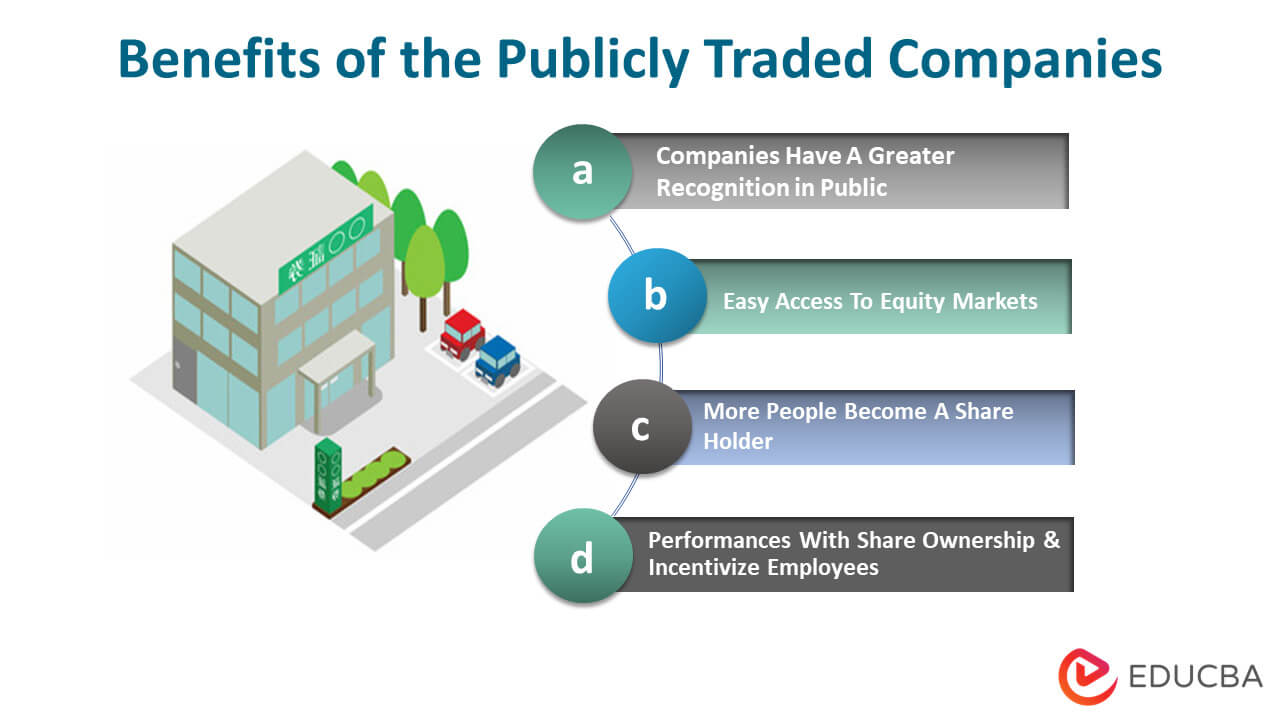
So, how do you get started with exploring these alternative investment options? First, identify potential suppliers to Buc-ee's. Look at the labels of products they sell, read news articles about their suppliers, and do some online research. Second, research the publicly traded status of those suppliers. Use financial websites like Yahoo Finance or Google Finance to check if they are listed on a stock exchange. Third, analyze the competitor landscape. Examine companies like TravelCenters of America (TA) which operate similar businesses but are publicly traded, and consider how Buc-ee's performance might influence these competitors' stock prices. Remember, this requires research and a solid understanding of investment risks.
While you can't directly own a piece of Buc-ee's just yet, exploring the companies within its ecosystem and analyzing its impact on the broader market can be a rewarding endeavor. It’s a fun way to apply your investment skills to a brand you know and perhaps even love. And who knows, maybe one day Buc-ee's will decide to go public, and you'll be ready with all the knowledge you've gained. Until then, enjoy the beaver nuggets and the exceptionally clean restrooms!