
Ionization And Photoelectric Smoke Alarms
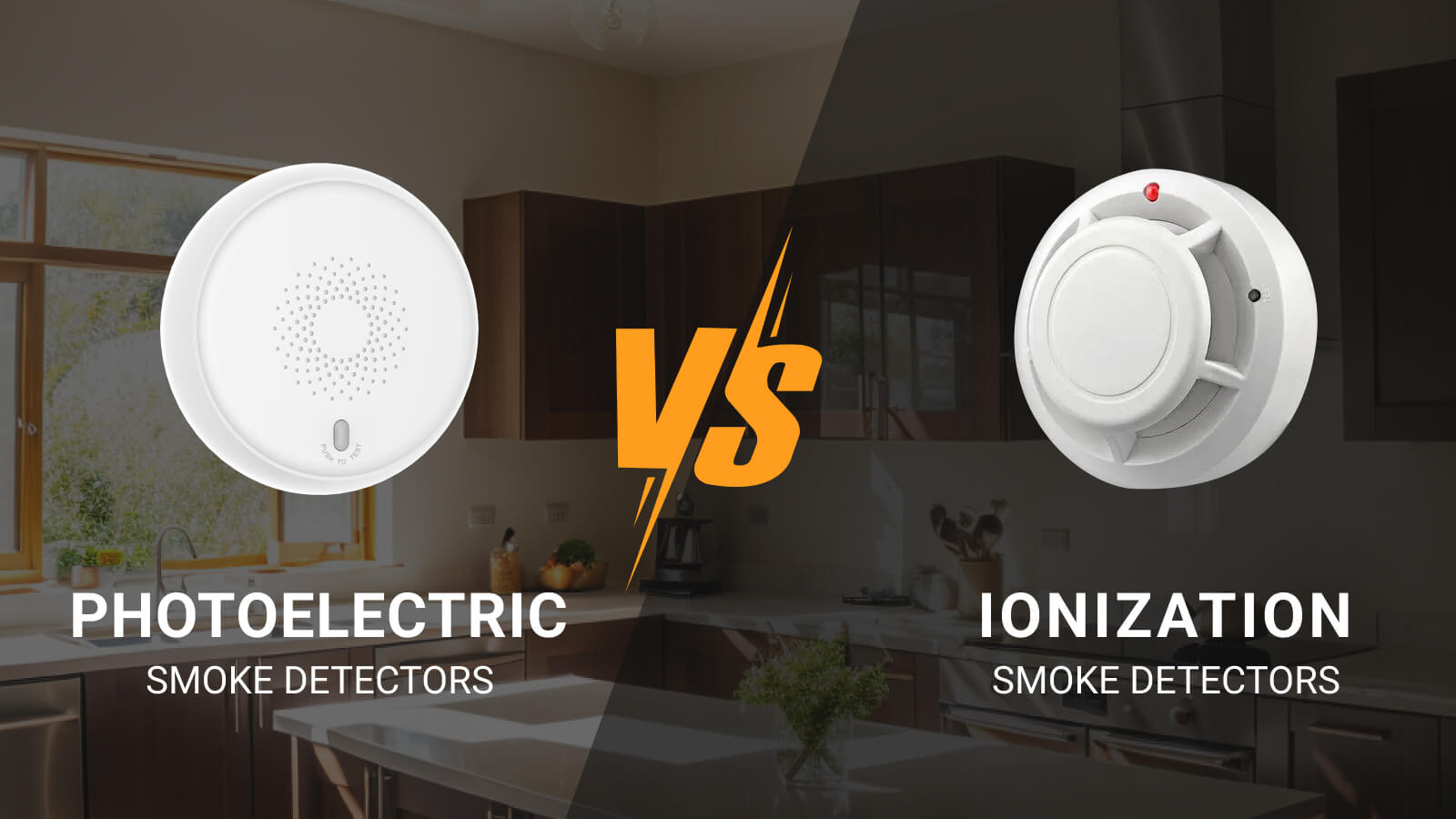
Ever walked past that unassuming disc on your ceiling, maybe even given it a slight eye-roll when it randomly chirps about a dying battery? We all have! But what if I told you that little gadget isn't just a simple noise-maker? It's a tiny, bustling laboratory, a miniature marvel of physics, working silently to keep you and your loved ones safe. And honestly, once you peek behind the curtain, it's pretty darn cool!
Most of us take our smoke alarms for granted. They're just... there. But understanding how these everyday heroes actually work can spark a genuine appreciation for the science that surrounds us. It's like finding out your toaster isn't just a heat box, but a complex array of resistors and timers! Suddenly, breakfast seems a little more magical. Ready to get smart and feel a little bit more connected to the genius in your home?
The Invisible Watcher: Ionization Smoke Alarms
Let's dive into the first type: the ionization smoke alarm. Imagine a tiny bouncer at the door of your home, always on alert for the most elusive guests. This type of alarm is particularly brilliant at detecting fast-flaming fires – those ones that erupt quickly and produce small, virtually invisible combustion particles.
Must Read
So, how does it pull off this magic trick? Inside an ionization alarm, there's a small, safe amount of a radioactive material, usually Americium-241. Don't worry, it's incredibly contained and poses no health risk to you! This material emits alpha particles, which zip through the air in a small chamber, ionizing the air particles. Think of it like a mini electric highway being created, allowing a tiny, continuous electrical current to flow between two electrodes.
Now, here's where the genius comes in: if smoke, even invisible smoke, enters this chamber, those tiny combustion particles disrupt the flow of ions. They essentially act like roadblocks on our electric highway, causing the current to drop. When that current drops below a certain threshold, the alarm knows something is wrong and yells for help! Voila! Your invisible guardian has just spotted the stealthy threat.

The Light Seeker: Photoelectric Smoke Alarms
Next up, we have the photoelectric smoke alarm. If the ionization alarm is the "invisible watcher," this one is more like a detective using a flashlight in a dark room. Photoelectric alarms are particularly adept at sensing slow, smoldering fires – the kind that might start from an overloaded extension cord or a forgotten pot on the stove. These fires typically produce larger, more visible smoke particles.
How do they work? Inside, there’s a light source, often an LED, and a photosensor, usually positioned at an angle where it doesn't "see" the light beam directly. It's like they're playing hide-and-seek!
When smoke enters the chamber, those larger smoke particles act like tiny mirrors. They scatter the light beam, bouncing it in all directions. Some of this scattered light gets redirected straight into the waiting eye of the photosensor. When the sensor detects this unexpected flash of light, it triggers the alarm. Boom! The light seeker has found its target.

The Dynamic Duo: Why You Need Both!
So, we have one type that's great for invisible, fast-moving particles, and another that's fantastic for visible, slower-moving particles. See the problem here? A single type isn't always enough to protect against every kind of fire. This isn't just about obscure science; it's about real-life safety!
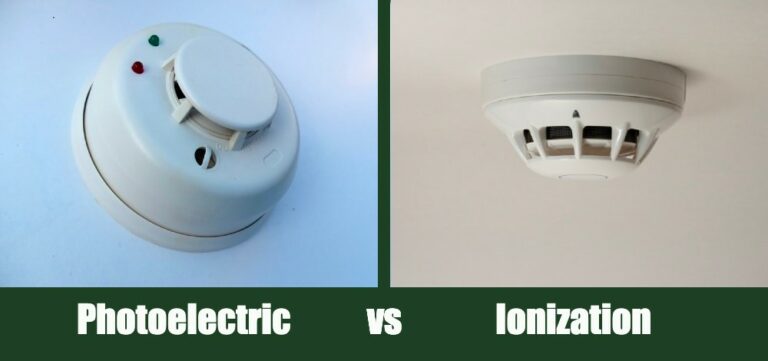
That's why safety experts often recommend having both types of alarms in your home, or even better, installing combination alarms that integrate both technologies into one unit. This way, you're covered for a wider range of fire threats, giving you the earliest possible warning. Who knew that knowing a bit about ionization and photoelectric effects could give you such peace of mind?
Beyond the Beep: The Joy of Understanding
Isn't it amazing to think about the clever engineering and fundamental physics packed into something as common as a smoke alarm? It's not just a plastic box; it's a testament to human ingenuity, harnessing principles of radioactivity, electrical currents, and light scattering to protect us every single day.
This isn't just about smoke alarms; it's a tiny window into the boundless wonders of science that quietly operate all around us. From the GPS in your phone to the way your microwave heats your popcorn, the world is a giant playground of scientific principles waiting to be discovered. When you understand the "how" and "why," life becomes a little more vivid, a little more fascinating, and frankly, a whole lot more fun!
So, the next time you glance at that little disc on your ceiling, don't just see a smoke alarm. See a triumph of science, a diligent guardian, and a brilliant reminder that a little curiosity can unlock a whole universe of understanding right in your own home. Keep learning, keep exploring, and let the wonders of the everyday inspire you!
