
Intrusion Detection Systems Are Only Used On The Exterior

Ever thought about those digital guardians, the Intrusion Detection Systems (IDS)? You know, the tech superheroes that supposedly keep the bad guys out of our precious networks? Well, if you’re like many, you might picture them as digital bouncers, standing firm at the digital front door, checking IDs and flexing their virtual muscles. And you wouldn’t be entirely wrong… but you also wouldn’t be entirely right!
Here’s a little secret, a juicy tidbit that might just flip your understanding of cybersecurity on its head: the idea that Intrusion Detection Systems are only used on the exterior of a network is, quite frankly, a myth. A charming, well-intentioned myth, perhaps, but a myth nonetheless! And once you grasp the truth, security suddenly becomes a whole lot more fascinating, empowering, and, dare I say, fun!
Why Exterior-Only IDS is Like a House with Just One Lock
Think about your own home for a moment. You probably have a sturdy front door with a good lock, right? Maybe even a fancy doorbell camera. That’s your exterior security – your first line of defense. It’s absolutely essential! But would you feel truly secure if that was it? No window locks? No internal alarm sensors? No awareness of what's happening inside once someone (or something) has, against all odds, managed to slip past that initial barrier?
Must Read
Of course not! And the digital world is no different. Relying solely on exterior IDS is like having an Olympic sprinter guarding the main gate but no one keeping an eye on the valuable artwork once it’s inside the museum. Or, imagine hosting a fantastic party: you've got a great bouncer at the door, but once guests are inside, there's no host mingling, no one noticing if someone's trying to sneak into the private study. That's where interior IDS comes into play!
The Digital Detective Inside Your Walls
So, what does an IDS do when it's operating inside a network? It's like having a super-observant detective, constantly scanning, analyzing, and looking for anything out of the ordinary. Imagine a system that knows what "normal" looks like for every server, every workstation, every user, and then immediately raises a red flag when something deviates.

Did a sales database suddenly try to connect to a server in the accounting department it has no business talking to? Red flag!
Is an employee account, normally active during business hours, suddenly logging in at 3 AM from an unusual location and trying to access sensitive files? Houston, we have a problem!
This isn't just about stopping intruders at the gate. It's about detecting when an intruder has somehow already gained access (maybe through a clever phishing email that fooled someone, or a sneaky piece of malware that slipped past initial defenses) and is now trying to move around, elevate their privileges, or steal data. It’s about catching those "lateral movements" – the stealthy sidesteps bad actors take once they're inside.
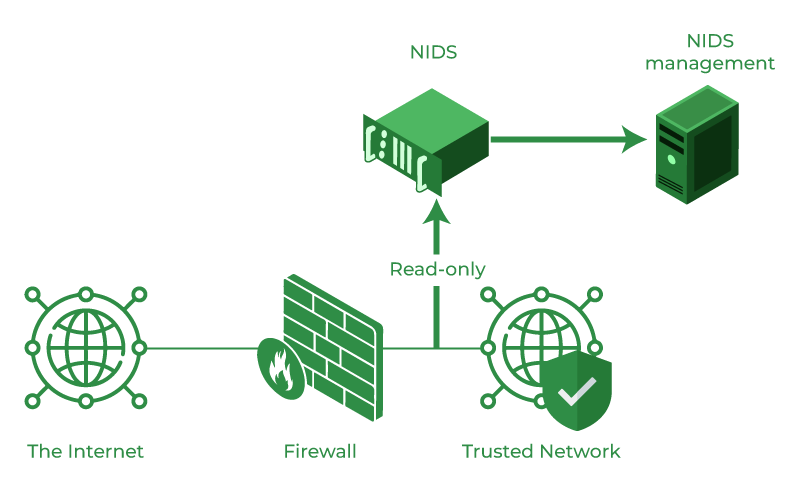
Why This Makes Life More Fun (Seriously!)
You might be thinking, "Okay, more security is good, but 'fun'?" Absolutely! Here's why understanding interior IDS can actually boost your day-to-day:
1. Peace of Mind for Innovators: For businesses, knowing you have robust internal defenses means your teams can focus on what they do best – innovating, creating, building amazing things – without the constant, gnawing fear of an undetected breach. It fosters an environment of trust and creative freedom.
2. Empowerment for Everyone: When you understand that security isn’t just a fortress wall but a living, breathing system of vigilance, you become a more informed digital citizen. You appreciate the layers of protection that keep your online banking safe, your streaming services humming, and your personal data (mostly!) secure. It’s empowering to know the guardians are not just at the gate, but patrolling the grounds too.
3. Less Stress, More Joy: Let's face it, cybersecurity can sometimes feel like a scary, complex topic. But realizing there are sophisticated systems working tirelessly on multiple fronts to protect our digital lives actually reduces stress. It frees up mental bandwidth for hobbies, spending time with loved ones, or simply enjoying your digital experiences without constant paranoia.
4. A Peek Behind the Curtain: For the naturally curious, this insight opens up a fascinating world. Cybersecurity isn't just about building taller walls; it's about intricate patterns, anomaly detection, behavioral analysis, and a continuous cat-and-mouse game that's surprisingly intellectual and dynamic. Who knew security could be so cerebral?

The Future is About Smart, Layered Protection
So, the next time you hear "Intrusion Detection System," don't just picture a giant firewall. Picture a network of vigilant protectors, both at the perimeter and deep within the digital heartland, working in concert to keep everything safe and sound. It’s a testament to human ingenuity – using technology to safeguard technology, creating resilient environments where innovation can truly flourish.
This layered approach to security isn't just a technical detail; it's a philosophy that champions continuous vigilance and proactive defense. It means we can browse, work, connect, and create with greater confidence. Isn’t that inspiring?
The world of cybersecurity is vast, exciting, and constantly evolving. This little peek behind the curtain is just the beginning. So go ahead, be curious! Ask questions! You might just find that understanding the intricate dance of digital defense makes you feel more secure, more knowledgeable, and yes, even more optimistic about our digital future. Keep exploring, keep learning, and keep enjoying the amazing digital world, knowing there are clever systems working tirelessly to keep it safe!