Intel Iris Xe Graphics Vs Nvidia

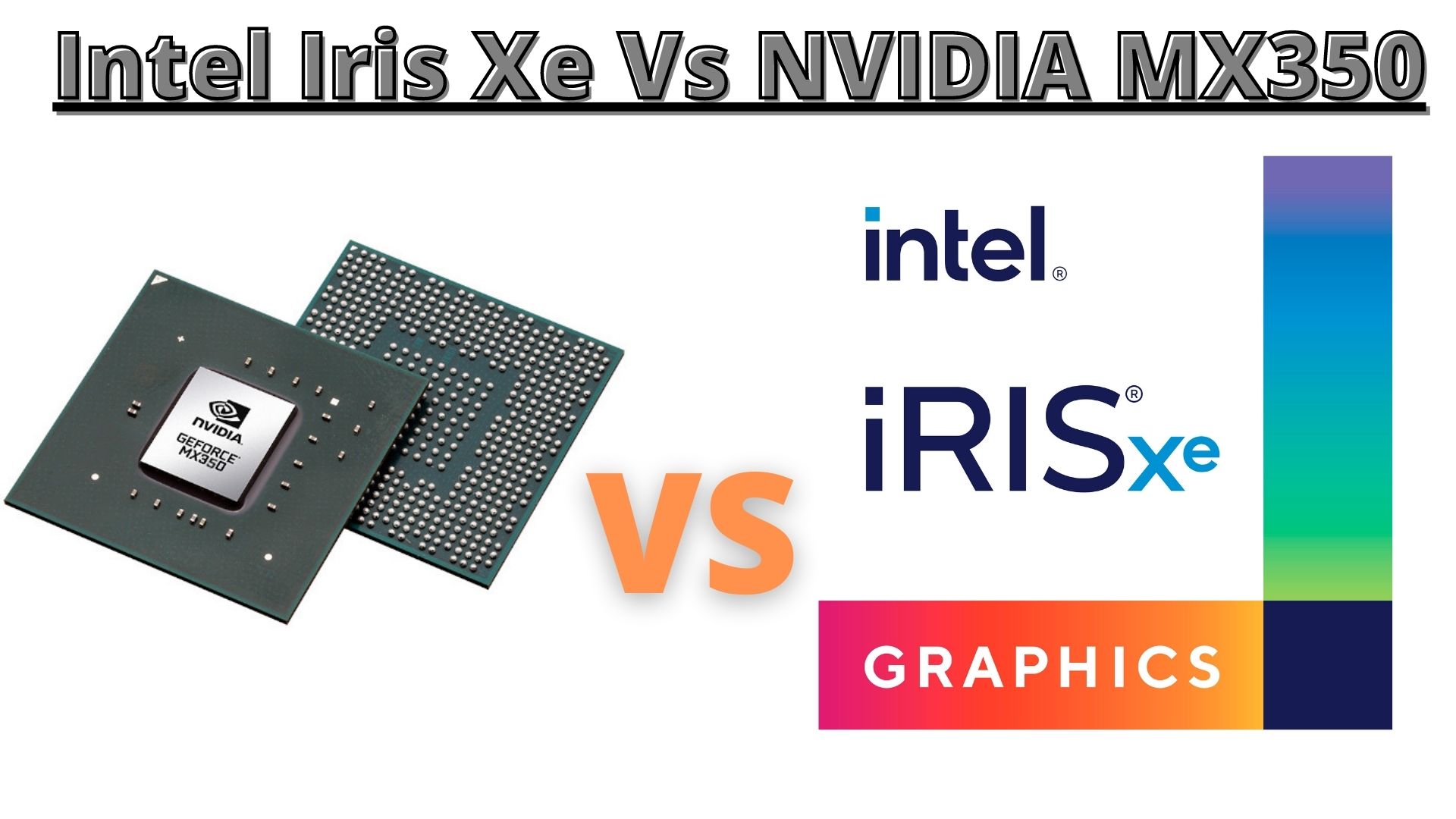
Okay, let's talk graphics! Comparing computer graphics cards can feel intimidating, like diving into a sea of technical jargon. But stick with me. Today, we're looking at two key players in the integrated graphics game: Intel Iris Xe Graphics and Nvidia's offerings (specifically, because Nvidia's strength is usually in their dedicated GPUs, we'll be focusing on where they overlap, which means Nvidia's GeForce MX series). Why is this fun? Because knowing a little about these chips can help you pick the perfect laptop for your needs, without overspending!
So, who benefits from understanding this? Well, pretty much everyone. For beginners, choosing a laptop can feel overwhelming. Knowing that Intel Iris Xe is generally good enough for everyday tasks, browsing, and streaming helps narrow down the options and avoid paying extra for power you don't need. For families, maybe you're looking for a laptop for homework, video calls with grandma, and the occasional movie night. Understanding the graphics capabilities helps ensure everyone can use the laptop without frustration. And for hobbyists, like photographers who do light editing or gamers who enjoy indie titles, knowing the difference between these graphics options is crucial for a smooth and enjoyable experience.
Let's break it down. Intel Iris Xe Graphics is integrated into the CPU itself, meaning it doesn't require a separate, dedicated graphics card. It's designed to be power-efficient and handle everyday tasks with ease. Think browsing the internet, watching videos, working on documents, and even playing some older or less demanding games at lower settings. Nvidia's GeForce MX series, on the other hand, are dedicated GPUs, but entry-level ones. They’re typically found in thin-and-light laptops and offer a step up in performance compared to integrated graphics, allowing for smoother gameplay in some newer titles and faster performance in graphics-intensive applications.
Must Read
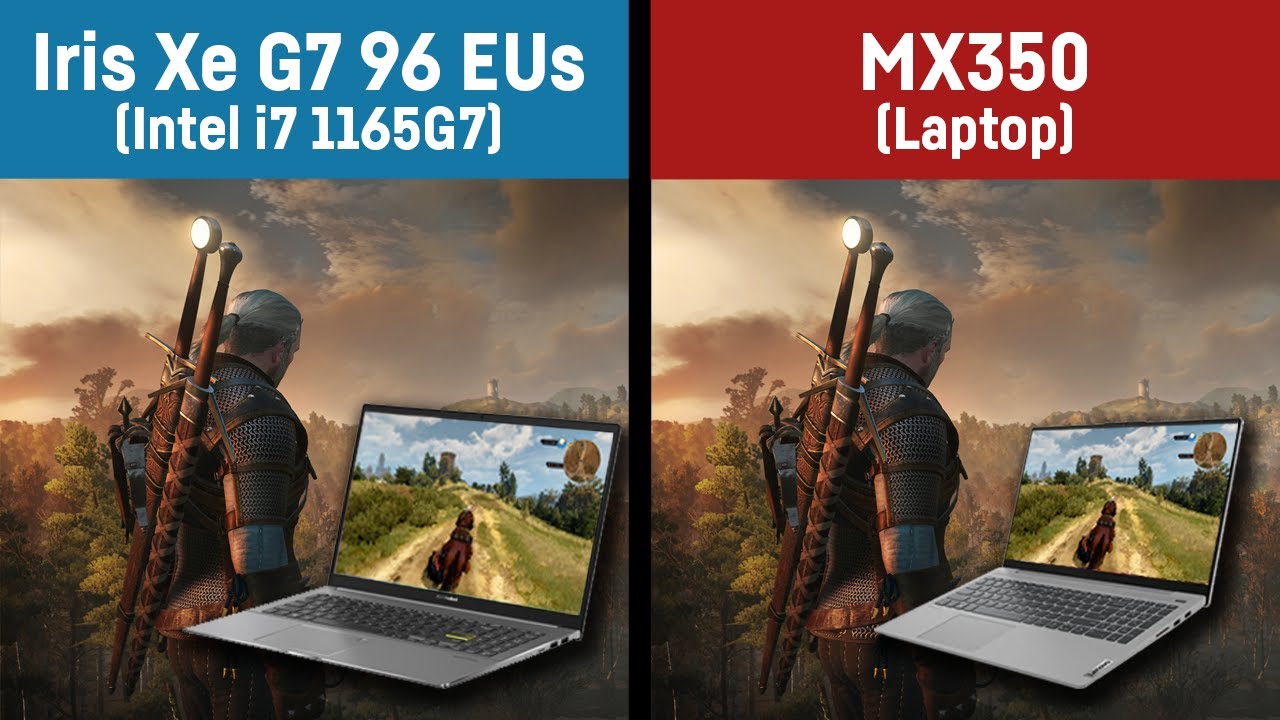
Think of it this way: Intel Iris Xe is like a reliable family car – it gets you where you need to go comfortably and efficiently. The GeForce MX series is like adding a slightly sportier engine to that car – it gives you a bit more oomph when you need it. Variations exist within each "family" too! There are different versions of the Iris Xe and MX cards. Generally, higher numbers mean better performance. For example, Iris Xe Graphics with 96 Execution Units (EUs) is more powerful than one with 80 EUs. Similarly, an MX550 is generally more powerful than an MX450.

Practical tips for getting started:
- Read reviews! Search for reviews of the specific laptop models you're considering. They often include performance benchmarks that can give you a better idea of how the graphics card performs in real-world scenarios.
- Check YouTube! Search for gameplay videos on YouTube using the specific laptop model and game you're interested in. This will give you a visual representation of the performance you can expect.
- Consider your needs! Be honest with yourself about what you'll actually use the laptop for. If you're primarily browsing and streaming, Iris Xe is likely sufficient. If you want to play newer games at higher settings, you'll probably want a dedicated graphics card, even the MX series.
Ultimately, understanding the difference between Intel Iris Xe Graphics and Nvidia's entry-level offerings like the GeForce MX series empowers you to make an informed decision. It's about finding the right balance between performance, price, and your individual needs. So, go forth and explore – armed with this new knowledge, laptop shopping can actually be an enjoyable experience!