
In Marketing Research Sampling Refers To
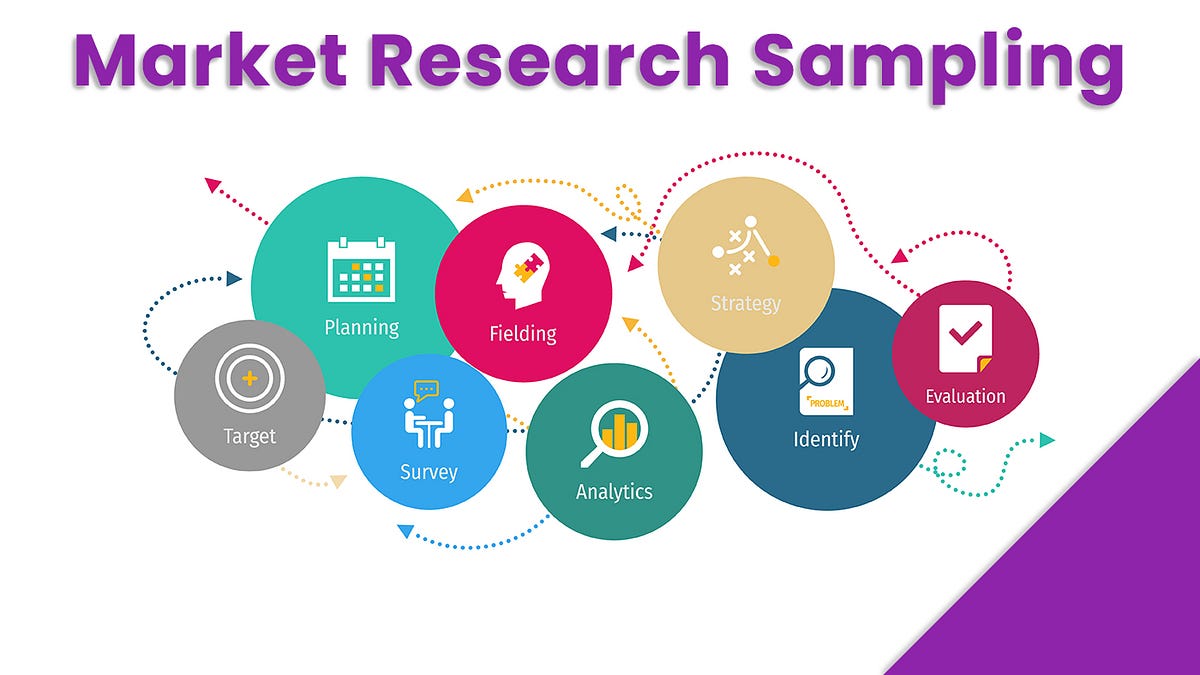
So, picture this: I’m at a farmers market, surrounded by juicy-looking peaches. I want to know if these peaches are actually any good before I commit to buying a whole basket. What do I do? I ask for a sample, of course! One little slice tells me everything I need to know (or at least enough to decide if I'm willing to risk the rest). That, my friends, is sampling in a nutshell. Though in marketing research, it involves less actual fruit and more, well, data.
Speaking of data... In marketing research, sampling refers to the process of selecting a representative subset of a larger group (aka the “population”) to gather information about that entire group. Think of it as taking that peach slice to understand the whole peach pie (metaphorically speaking, of course!).
Why Bother with Sampling?
Why not just ask everyone? Well, imagine trying to survey every single smartphone user in the world about their favorite brand. That’s… uh… impractical doesn’t even begin to cover it. It would be incredibly expensive, time-consuming, and frankly, probably drive you insane. (Trust me, I've seen the spreadsheet aftermath!) So, instead of trying to talk to everyone, we talk to a carefully chosen sample.
Must Read
Sampling allows us to draw inferences and make generalizations about the larger population based on the data we collect from the smaller group. It's like saying, "Based on this slice, I'm pretty sure this entire peach pie is delicious." Obviously, there's a chance you could get a weirdly sour slice and be totally wrong, but hey, that's life (and the inherent risk in sampling!).
Key Ingredients: Population, Sample, and Sampling Frame
Let’s break down some of the core concepts:

- Population: This is the entire group you’re interested in studying. It could be all dog owners in the United States, all college students aged 18-22, or even all customers who purchased a specific product from your online store. The more narrowly you define your population, the easier (and more effective) your research will be.
- Sample: As we've already established, this is the subset of the population that you actually collect data from. It's the group you'll be sending surveys to, conducting interviews with, or observing in some other way. Your ultimate goal is to make this sample representative of the entire population.
- Sampling Frame: This is the list or source from which you draw your sample. It could be a customer database, a list of registered voters, or even a map showing all the households in a particular neighborhood. A good sampling frame accurately reflects the population you're trying to study. A bad sampling frame? Well, that's a recipe for disaster (and skewed results!).
Types of Sampling: A Quick (and Painless) Overview
There are two main categories of sampling methods:
1. Probability Sampling: This means every member of the population has a known (and ideally, equal) chance of being selected for the sample. This allows you to calculate the margin of error and be more confident in your results. Think of it as randomly drawing names out of a hat (but with computers, not actual hats…usually).

Common types of probability sampling include:
- Simple Random Sampling: Every member has an equal chance of selection.
- Stratified Sampling: The population is divided into subgroups (strata), and a random sample is taken from each subgroup. This is great when you want to ensure representation from different groups (like age ranges or income levels).
- Cluster Sampling: The population is divided into clusters (like geographic areas), and a random sample of clusters is selected. Then, everyone within those selected clusters is included in the sample.
2. Non-Probability Sampling: In this method, the selection of participants is based on subjective criteria rather than random chance. It's often used when probability sampling is too expensive or time-consuming, or when you're exploring a topic where random sampling isn't feasible. This can be tricky, though, because your results may not be representative of the larger population.

Examples of non-probability sampling include:
- Convenience Sampling: Selecting participants who are easily accessible (like surveying people at a shopping mall). Super easy, but also super prone to bias.
- Quota Sampling: Selecting participants to ensure the sample reflects the proportions of certain characteristics in the population (like gender or ethnicity).
- Snowball Sampling: Recruiting participants through referrals from other participants. Useful for reaching niche or hard-to-reach populations.
Choosing the Right Sampling Method
The best sampling method depends on your research goals, budget, and the characteristics of your population. Think carefully about what you want to learn, how much time and money you have, and who you need to reach. (And maybe consult with a statistician if you're feeling overwhelmed! They're like data wizards.)
Ultimately, the goal of sampling in marketing research is to get valuable insights without breaking the bank (or your sanity). It's about using a carefully selected subset to understand the larger whole and make better, more informed decisions. So, the next time you see someone conducting a survey, remember the peach pie – they're just trying to get a taste of the bigger picture!
