
If Carbon Monoxide Detector Goes Off

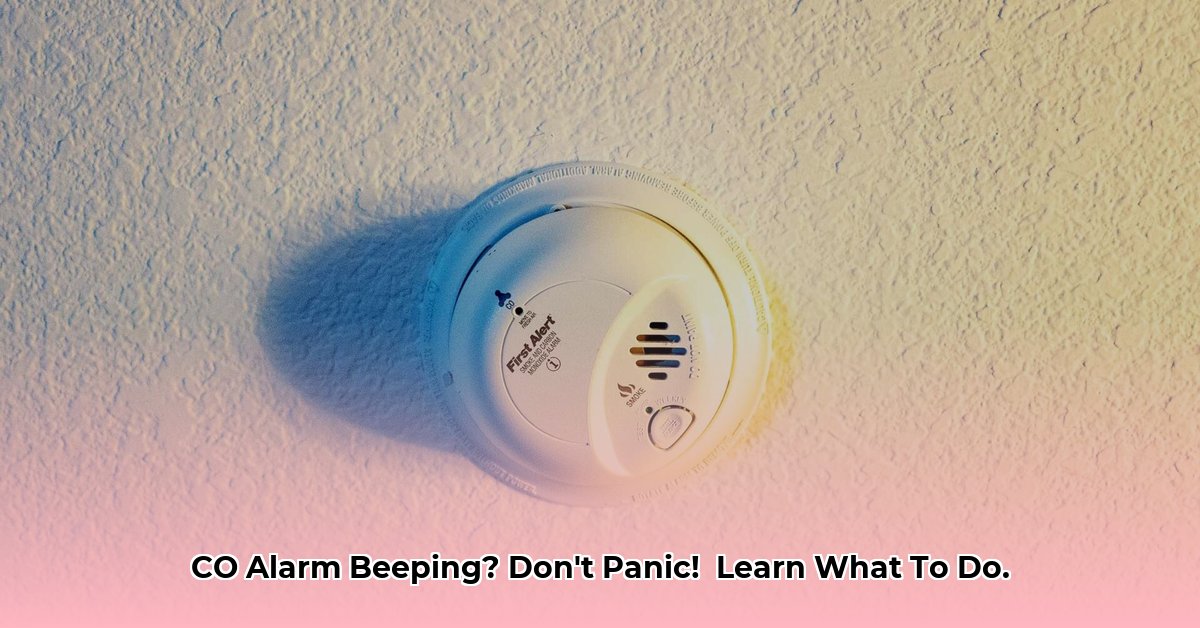
Alright, settle in, grab your metaphorical (or actual) coffee, because we need to chat about one of life's less glamorous but undeniably important moments: that moment your carbon monoxide detector decides to throw a full-blown, ear-splitting tantrum.
It’s that tiny, unassuming gadget that suddenly decides to shriek right when you’re least expecting it – probably in the middle of your favorite reality TV show, during a meticulously planned nap, or, even more dramatically, at 3 AM. Your first thought might be, "Is that a fire alarm? Wait, no, it's different. Is it... a squirrel trapped in the wall learning to play the trombone?"
Nope, my friend. It's your CO detector, and it's not crying wolf. It's screaming, "Hey, listen up, there might be an invisible, odorless, tasteless party crasher trying to join your oxygen molecules!"
Must Read
So, Your CO Detector Just Went Off. Now What? (Hint: Not What You Think)
Let's debunk some common, hilariously misguided first reactions, shall we?
What NOT to do:
- Don't assume it's "just being dramatic." This isn't your teenager; it's a life-saving device.
- Don't try to "fix it" with a hammer, a pillow, or by aggressively staring at it. It’s not a broken printer.
- Don't open a window and then go back to scrolling TikTok. While opening windows is good, it's not the first or only step.
- Don't text your neighbor asking what to do. Time is of the essence, and emojis won't help you here.
- And for the love of all that is safe, do not ignore it and go back to sleep! Seriously. This is like ignoring a tiger in your living room because it looks sleepy.
Okay, Seriously: What DO I Do?

Alright, enough with the dramatics (mostly). Here’s the actual, no-joke, life-saving playbook:
1. GTFO. And Do It Fast.
This is the absolute, non-negotiable first step. If that alarm is blaring, you need to get everyone out of the house immediately. Pets included! Don't dawdle. Don't grab your phone charger. Don't check if you left the stove on. Just GO. Think of it as an impromptu, extremely urgent dance party outside.
2. Call the Pros. Immediately.
Once you're safely outside, away from the building, and breathing fresh air, your very next move is to call 911 or your local emergency services (like the fire department). No, really. Don't call your Aunt Mildred for advice. These folks are trained for this, they have the right equipment, and they can properly assess the situation.
3. Stay Out. Seriously.
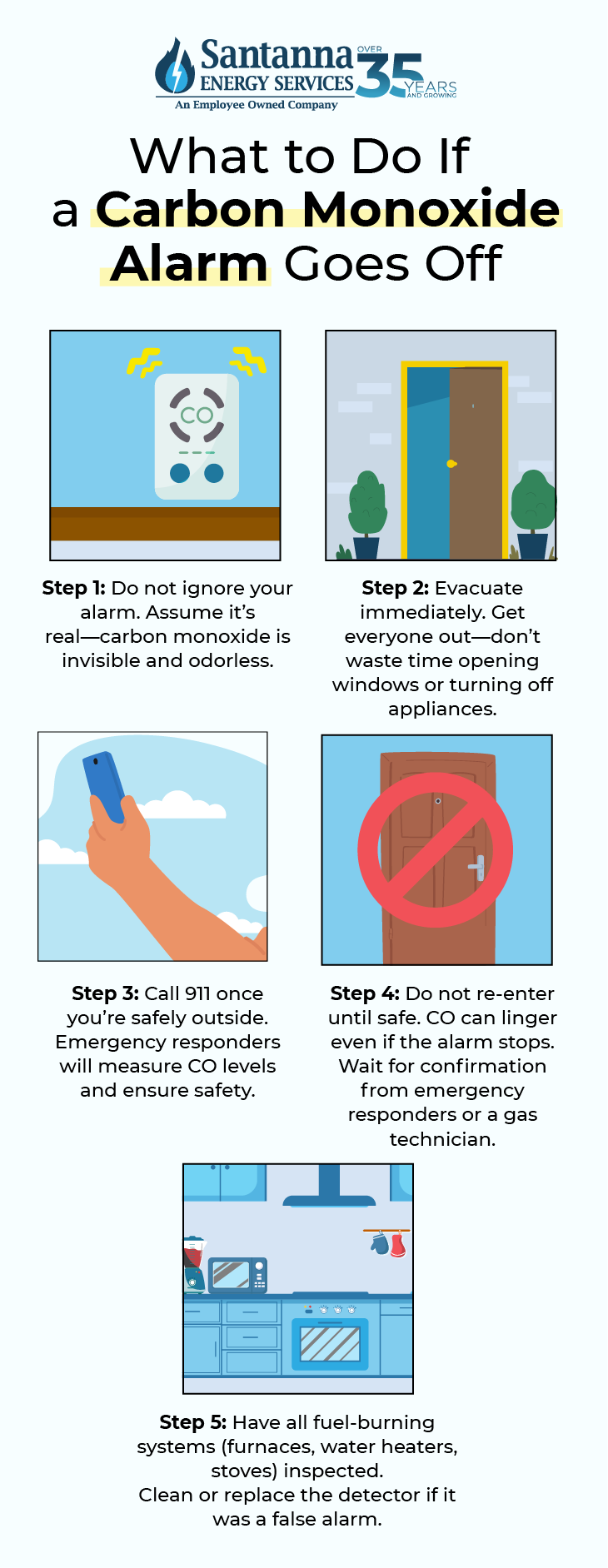
Do not, under any circumstances, go back inside until the emergency services give you the all-clear. Not for your phone. Not for your super-important work laptop. Not even for that perfectly baked batch of cookies you just pulled out of the oven. Stay outside until the experts tell you it's safe to re-enter.
Why All The Fuss? Meet Your Invisible Nemesis: Carbon Monoxide
Here's the kicker: CO is literally called the silent killer for a reason. It's invisible, odorless, and tasteless. Your nose, eyes, and taste buds are absolutely useless against it. It's like a ninja, but instead of throwing stars, it stealthily replaces the oxygen in your blood. And trust me, your blood prefers oxygen.
The scary part? Early symptoms often mimic the flu: headaches, dizziness, nausea, fatigue. You might just think you're having a "blah" day or coming down with a bug. But as CO levels increase, things get much, much worse, leading to confusion, collapse, and eventually, tragic consequences. This is why that little screaming box is your best friend!
Where Does This Sneaky Gas Even Come From?
CO is a byproduct of incomplete combustion. Think anything that burns fuel:
- Malfunctioning furnaces or boilers
- Gas stoves (especially if vents are blocked or it's running too long)
- Water heaters
- Clothes dryers
- Fireplaces and wood-burning stoves
- Cars running in an attached garage (even for "just a minute"!)
- Portable generators (never, ever use these indoors!)
- Grills and barbecues (outdoor use ONLY!)
Essentially, if it burns something, it has the potential to produce CO. And if that equipment isn't properly maintained or ventilated, that CO can build up in your home to dangerous levels.
A Little Prevention Goes A Long Way
To avoid future impromptu outdoor dance parties, here are a few tips:
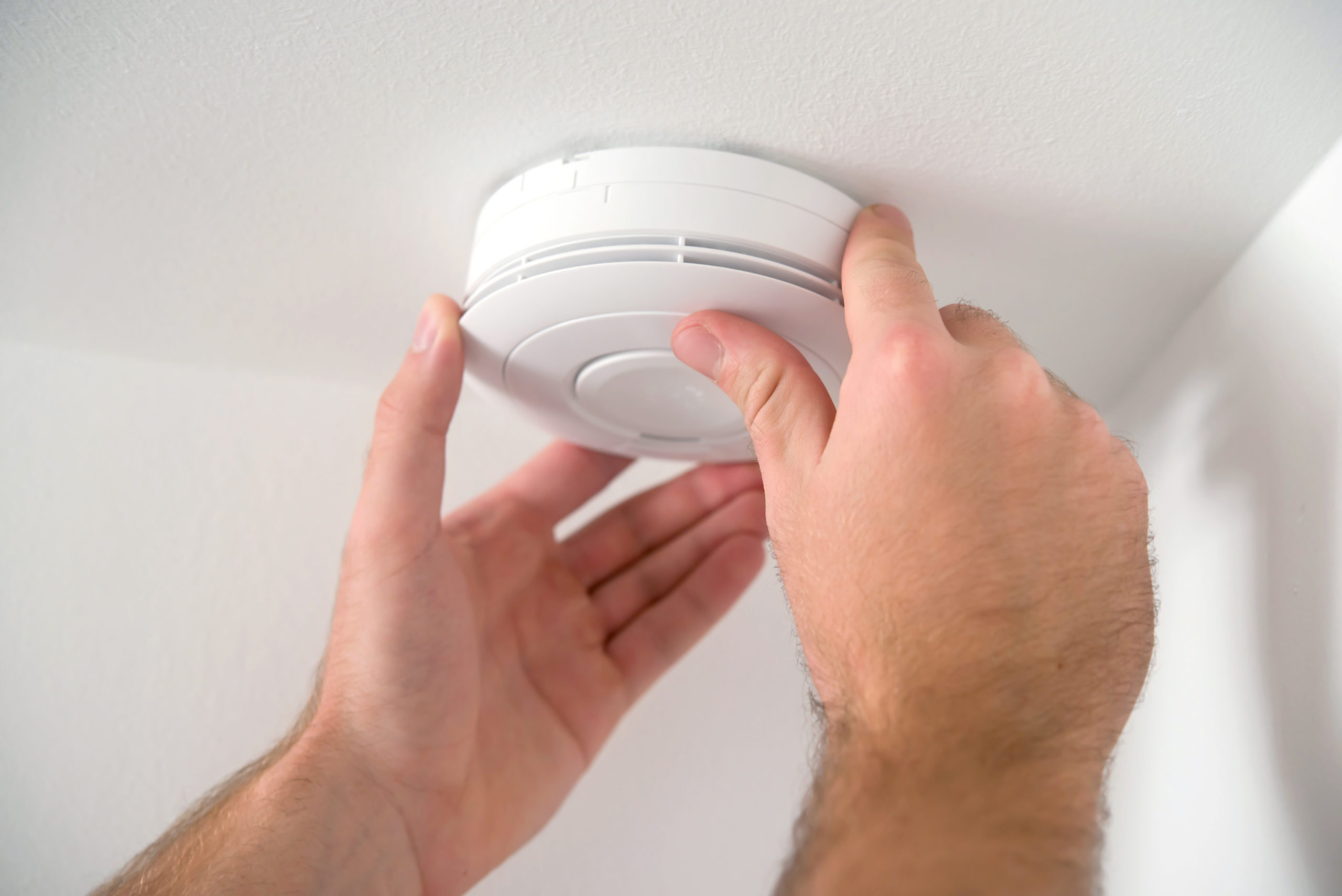
- Check Your Detectors: Just like smoke detectors, test your CO detectors monthly. Most have a "test" button. If yours is battery-operated, change the batteries annually (maybe when you change your clocks for daylight saving time – easy to remember!). If it's over 5-7 years old, consider replacing it; sensors wear out.
- Install Correctly: Place CO detectors on every level of your home, especially near sleeping areas.
- Annual Inspections: Have your fuel-burning appliances (furnace, water heater, etc.) inspected annually by a qualified technician. Think of it as a health check-up for your house's lungs!
- Clear Vents: Make sure vents and flues are clear of debris, snow, or anything else that could block exhaust.
So, the next time that little box decides to go full banshee, remember: it's not an annoyance, it's a hero. It's your early warning system, your guardian angel in a plastic casing, yelling "GET OUT!" before you even knew you were in danger. Listen to it. It might just save your life, so you can live to tell your own funny (and safe!) stories at the café another day.