
If A Carbon Monoxide Detector Goes Off

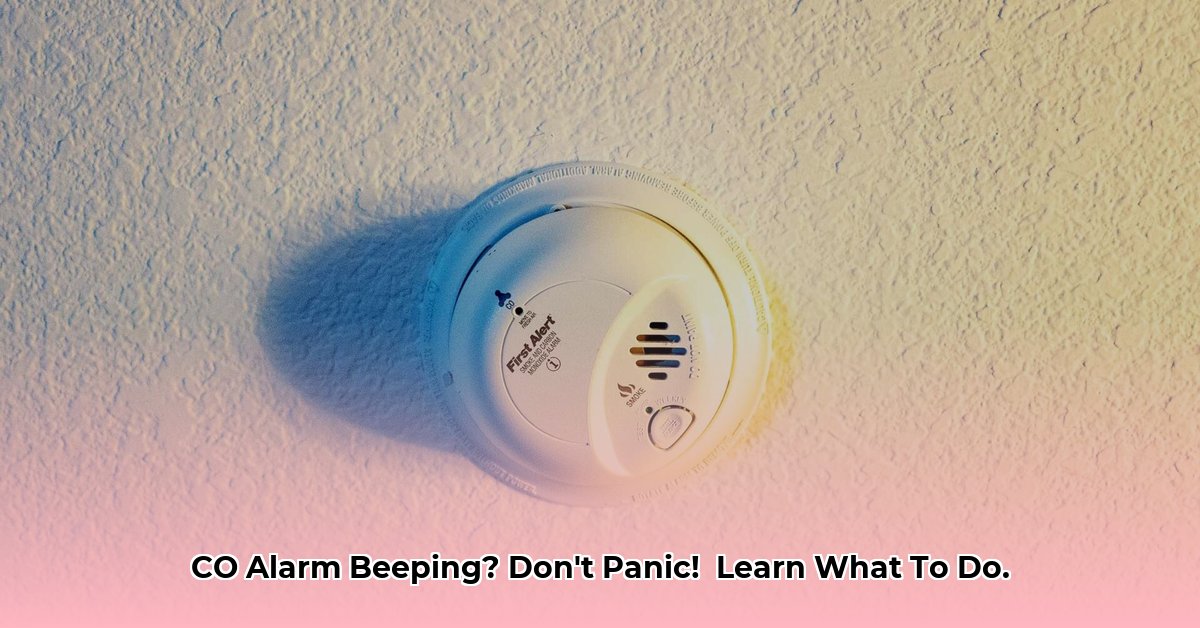
Alright, picture this: you're chilling, maybe binging your favorite show, or finally attempting that sourdough starter. Life is good, right? Then BAM! A piercing, insistent BEEEEEEEP echoes through your home. Your heart does that little 'oh crap' flip. Is it the smoke detector? Nah, smells fine. Then it hits you: it's the carbon monoxide detector.
Yeah, that sound nobody ever wants to hear. It’s the kind of noise that makes your stomach drop faster than a roller coaster on its first big plunge. But hey, deep breaths! We’re gonna chat about what to do, because panicking? Not helpful. Being prepared? Super helpful.
Wait, What Even Is Carbon Monoxide?
Okay, so before we dive into the action plan, let’s quickly get nerdy for a sec. Carbon monoxide, or CO as the cool kids call it, is a gas. But not just any gas. It's the ultimate sneaky villain. You can’t see it, you can’t smell it, you can’t taste it. It’s like a ninja, but way more dangerous.
Must Read
It comes from things like furnaces, gas stoves, water heaters, cars – basically anything that burns fuel. If these things aren't venting properly, CO can build up. And here's the really scary part: it replaces oxygen in your blood. Not good, right? That’s why we call it the silent killer. Gives you the chills just thinking about it, huh?
Alarm Bells Ringing? Your First, Immediate Move!
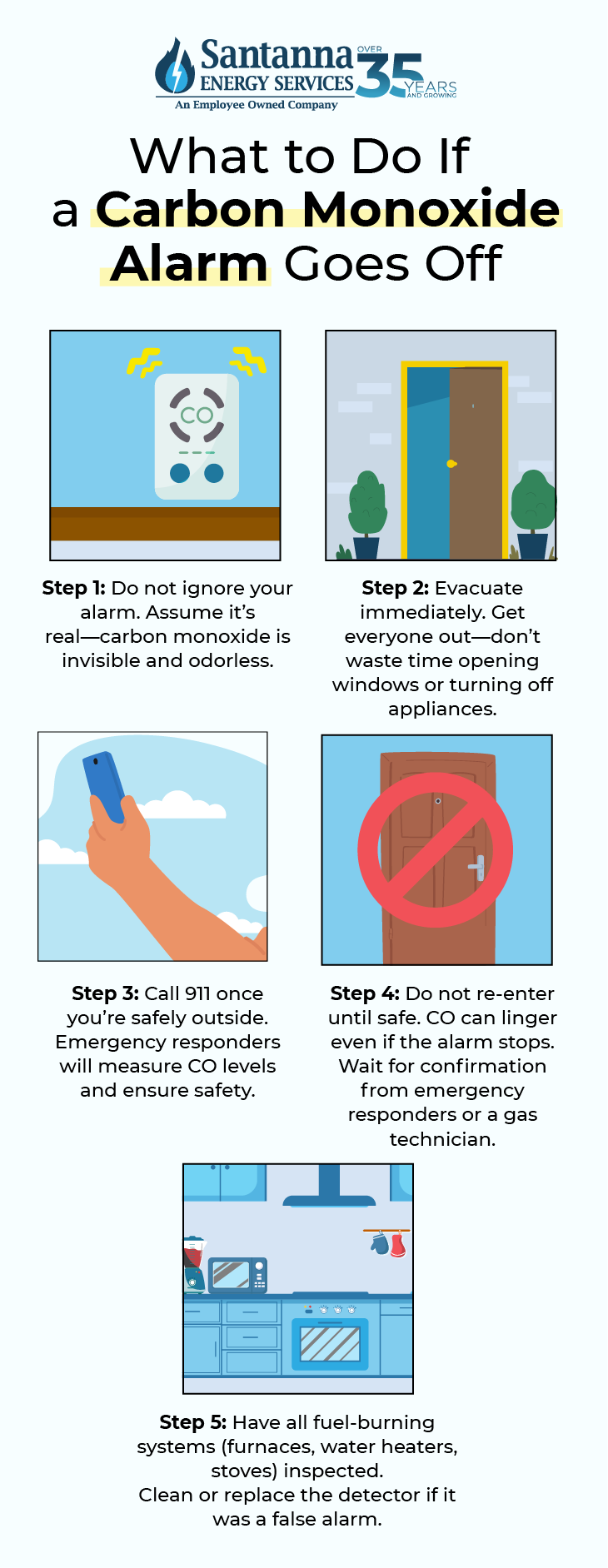
So, the alarm is wailing like a banshee. What’s the absolute, number one, without-a-doubt thing you do? You guessed it: GET OUT. Like, right now. No dilly-dallying. No "lemme just grab my phone." Seriously, your phone can wait. Your life? Cannot.

Round up everyone. Kids, spouse, Aunt Mildred visiting from out of town – the whole crew. And don't forget the furry family members! Your doggo, your grumpy cat, even your pet hamster deserves to be safe. All living things out of the house, immediately.
Oh, and here’s a big one: DO NOT go back inside for anything. Not your wallet, not your keys, not even that perfectly toasted bagel you just made. Think of it like a fire drill, but for an invisible threat. Your stuff is replaceable; you are not.
Also, resist the urge to play detective. This isn't the time to figure out if it's just a dusty sensor or a faulty battery. That can all come later. Your priority is to breathe fresh air, not potentially poisoned air.
Okay, We're Outside. Now What, Captain?
Phew! You're outside, taking big gulps of lovely, un-CO-fied air. Good job! Now, what’s next on the agenda? You need to call emergency services. Yep, dial 911 (or your local emergency number). Tell them your carbon monoxide detector is going off. They take these calls super seriously, as they should!
Don't just stand on your porch, either. Move a good distance away from the house. Give the professionals space to do their thing, and make sure you're well clear of any potential danger. Maybe head to a neighbor's house or just across the street.
And for the love of all that is sensible, do not assume it's a false alarm. "Oh, it's probably just old." "Maybe the batteries are low." Nope, nope, nope. It’s always, always, ALWAYS better to be safe than sorry when it comes to CO. Let the pros decide if it’s a false alarm.
The Pros Are Here! What Happens Next?
So, the fire department or gas company (or both!) will show up, likely in big, impressive trucks. They're the experts, so let them do their thing. They’ll have special equipment to measure CO levels in your home and figure out what's going on. They might look at your furnace, your water heater, your chimney – the usual suspects.
They’ll tell you when it’s safe to go back inside. And only when they say it’s safe. Don't try to sneak back in earlier, even if you’re itching for that bagel. They'll also help identify the source of the CO if there is one, and advise you on how to get it fixed.
Phew! Crisis Averted (Hopefully). Now, Let's Prevent the Next One!
Once the excitement dies down and you’re safely back in your cozy abode, take a moment to be grateful for that noisy little detector! And then, let’s talk prevention, shall we?
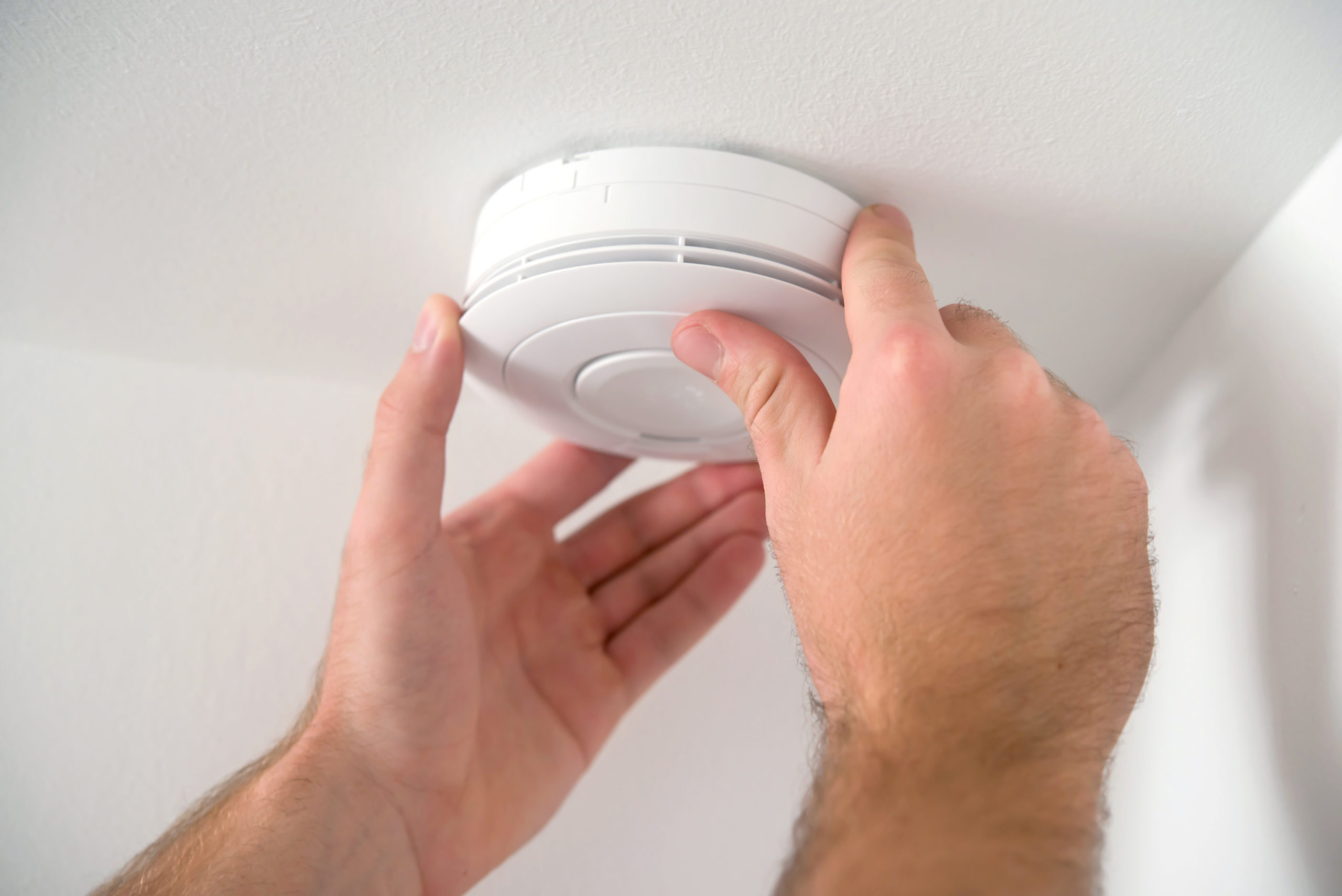
Test your detectors regularly! Like, once a month. Most have a little "test" button. Give it a push! If it beeps, great. If it doesn't, time for new batteries, or a whole new unit. Speaking of which, CO detectors actually expire. Seriously! Check the back of yours for a "replace by" date. They usually last about 5-7 years. An old detector is a useless detector.
Also, make sure your fuel-burning appliances (furnace, water heater, gas stove, fireplace) are serviced annually by a qualified professional. Think of it as a yearly check-up for your house's lungs. They’ll make sure everything is venting properly and not quietly pumping out our invisible enemy.
So, there you have it! The rundown on what to do if your CO detector starts screaming. It's definitely a jarring experience, but knowing these steps can turn a scary moment into a manageable one. Stay safe out there, my friend!