Ideal Home Temp In Winter
Alright, settle in, grab your metaphorical (or actual) mug of something warm, because we need to talk. It's winter, the mercury's decided to go on a vacation somewhere tropical without us, and suddenly our homes become a battleground. No, I’m not talking about who gets the last holiday cookie – I’m talking about the thermostat. That innocent little box on the wall that holds the power to make or break familial harmony. What, oh what, is the ideal home temperature when the world outside is doing its best impression of an ice cube?
Let's be real. We all have "that person" in our house. Maybe it’s you! The one who thinks 65 degrees Fahrenheit (around 18°C) is perfectly cozy, while everyone else is walking around looking like they're auditioning for the "Abominable Snowman" part in a low-budget horror flick. Or perhaps you’re the one who needs it to be a balmy 75°F (24°C) year-round, regardless of the fact that it's costing you a small fortune and making your skin drier than a desert bone. It's a genuine Goldilocks situation, but instead of porridge, it’s about finding that just right warmth without breaking the bank or starting an indoor snowball fight.
The Official Word (and why we often ignore it)
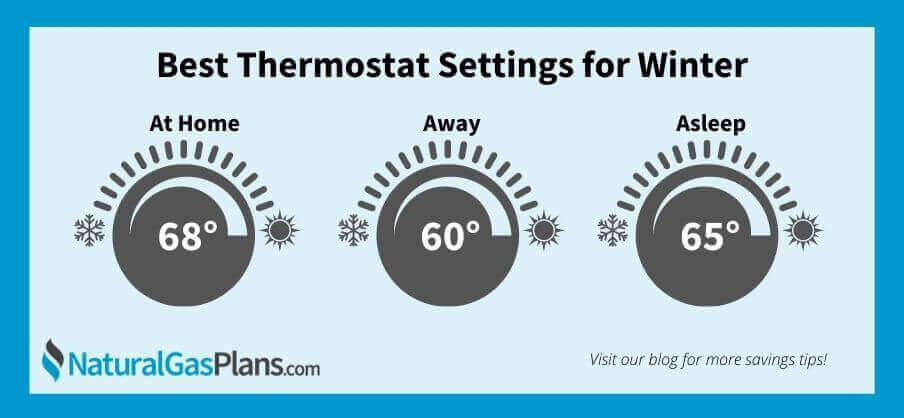
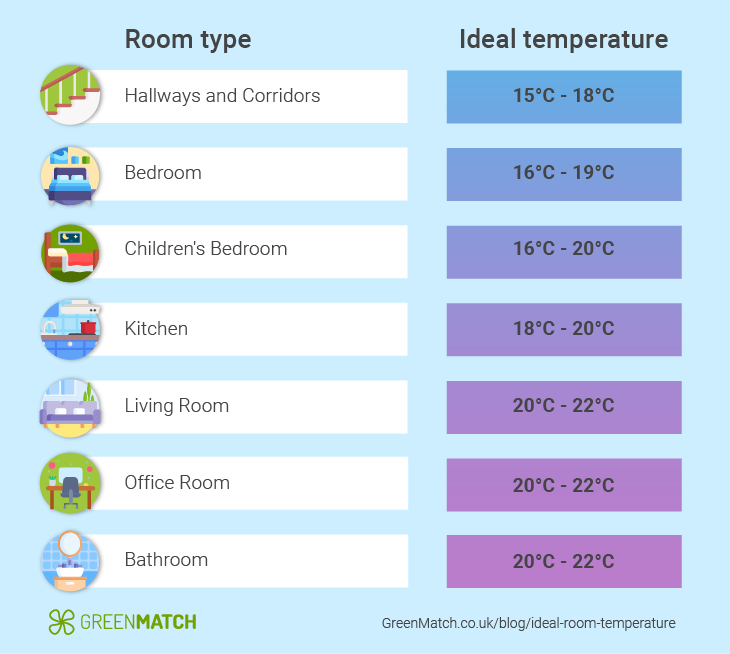
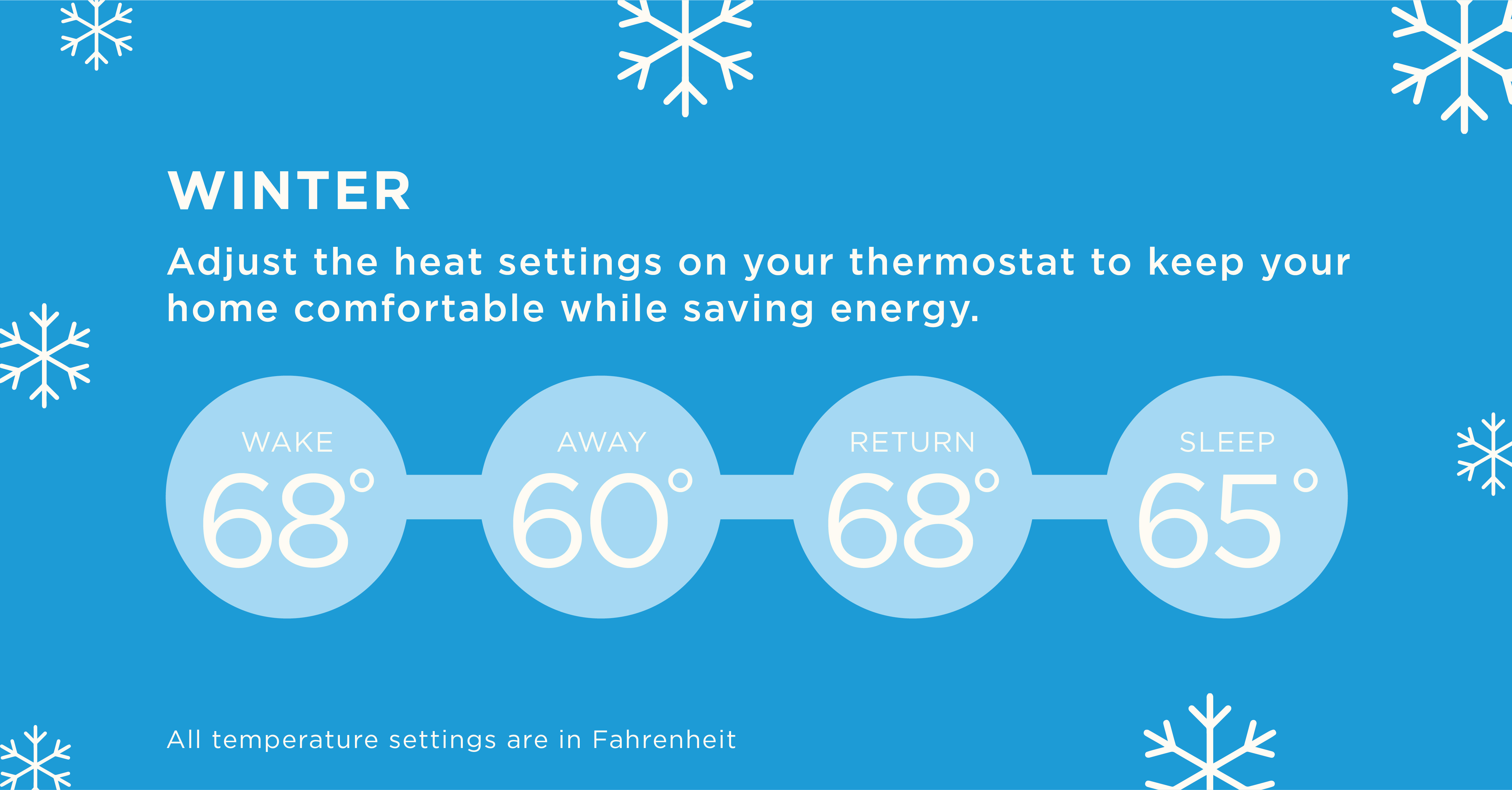
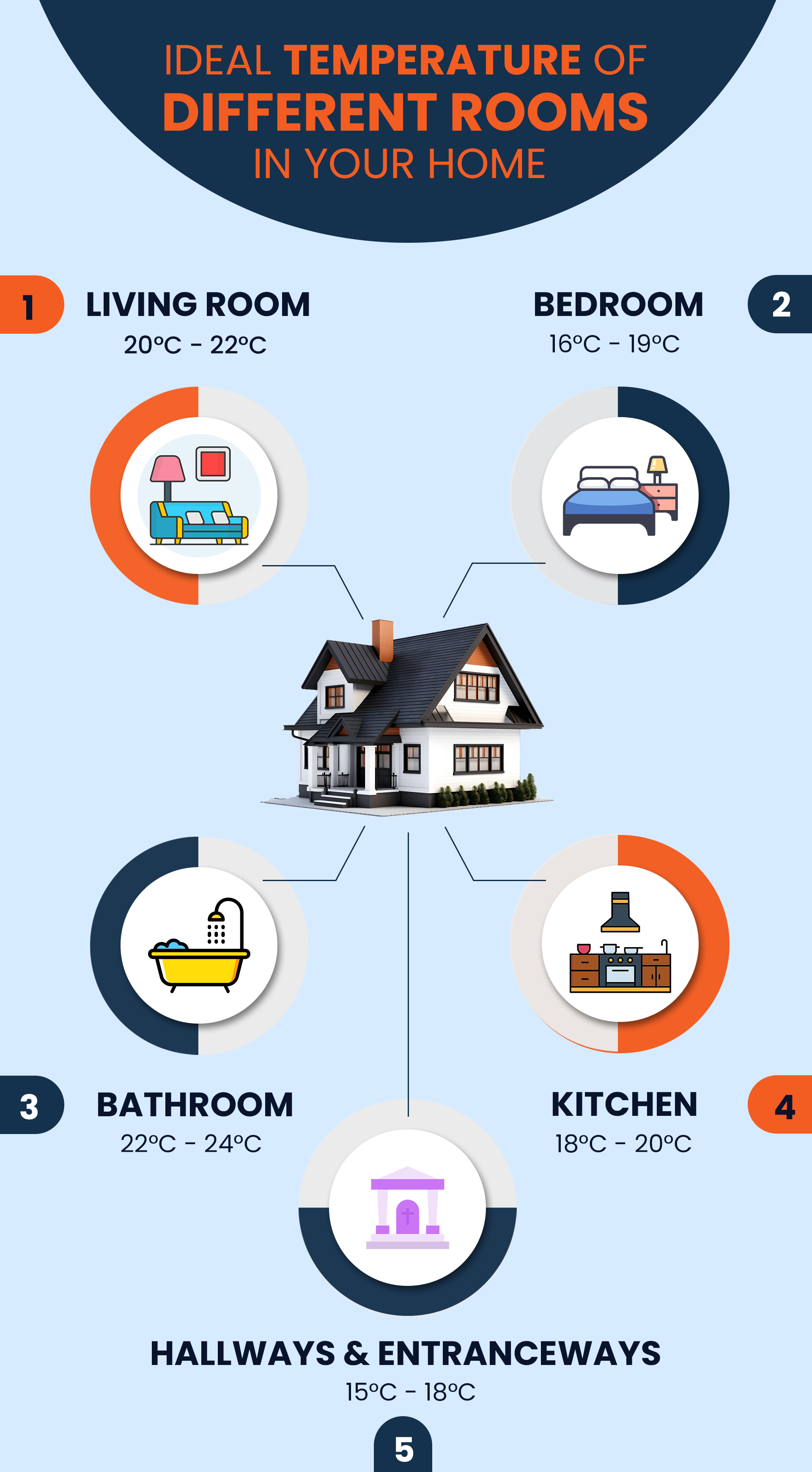
So, what do the experts say? Generally, for optimal comfort and health during the day, many recommend setting your thermostat between 68-72°F (20-22°C). "Comfortable!" they declare. "Economical!" they chime. And then we, the real-world inhabitants, scoff. Because let's face it, for some of us, 68°F feels like we're living in a walk-in freezer. You find yourself wearing three sweaters, two pairs of socks, and a woolly hat indoors, muttering about "arctic blasts" even though you're just sitting on the couch.
Must Read
Here’s a fun fact that might surprise you: when you're sleeping, a cooler temperature is actually better. The sweet spot for slumber is often cited as 60-67°F (15-19°C). Yes, you read that right. Colder! Your body naturally cools down when you sleep, and a cooler room helps facilitate that process, leading to a deeper, more restorative rest. Of course, the challenge then becomes actually getting out of bed when it feels like you're emerging from a very cozy, very warm cocoon into the chilly void of your bedroom.
The Battle of the "Too Hots" and "Too Colds"
Let’s consider the perils of being too hot. Beyond the astronomical energy bill that makes your eyes water more than chopping an onion, an excessively warm house can lead to dry skin, stuffy noses, and even increase the spread of germs. Plus, there's nothing quite like walking outside into a brisk winter day after being cooped up in a house that feels like a sauna, only to have your glasses fog up instantly. It's like your personal weather system, but less charming.
On the flip side, being too cold isn't just uncomfortable; it can be genuinely unhealthy. Shivering is your body's way of generating heat, but prolonged exposure to cold can strain your system, especially for the elderly or very young. Nobody wants to live in a perpetual state of goosebumps, right? Unless you're trying to win an award for "Most Dramatic Shiver."
Finding Your Winter Zen: Tips (and a joke or two)
So, what’s the secret to thermostat peace? It's all about compromise, cunning, and clever layering. Think of yourself as a human onion.
- Embrace Layers: Seriously, this is your superpower. A light sweater is far more energy-efficient than cranking up the heat.
- Socks are Your Friends: Cold feet make your whole body feel colder. Invest in some ridiculously fluffy, warm socks. Your toes will thank you.
- Blanket Forts are Underrated: A good throw blanket (or three) can transform your couch into a fortress of warmth.
- Draft Dodgers (the silent heroes): Block those sneaky drafts under doors and around windows. It's amazing how much heat escapes through tiny cracks.
- The Smart Thermostat: This is your diplomat. It learns your habits, can be controlled from your phone, and helps you program temperatures to be lower when you're out and higher when you're home. No more thermostat ninja battles!
Ultimately, the "ideal" temperature is often a personal journey, a delicate dance between comfort, cost, and common sense. It's about finding that sweet spot where you're not sweating through your sweater or chattering your teeth so hard you sound like a maraca. Experiment, communicate with your household (maybe even draw up a thermostat treaty?), and remember: a little bit of winter chill can actually be invigorating. Just make sure you have a warm place to retreat to when you’ve had enough. Now, if you'll excuse me, I think my fingers are turning blue just talking about this, so I'm off to put on another pair of socks. Stay warm (but not too warm!), my friends!