
Icd 10 Vertebrogenic Low Back Pain

Hey there, friend! Let's talk about something that might sound intimidating but is actually pretty common: Vertebrogenic Low Back Pain. And yes, it’s got that fancy ICD-10 code attached to it, because, well, everything in medicine gets a code, right? (Even that time you stubbed your toe… probably.)
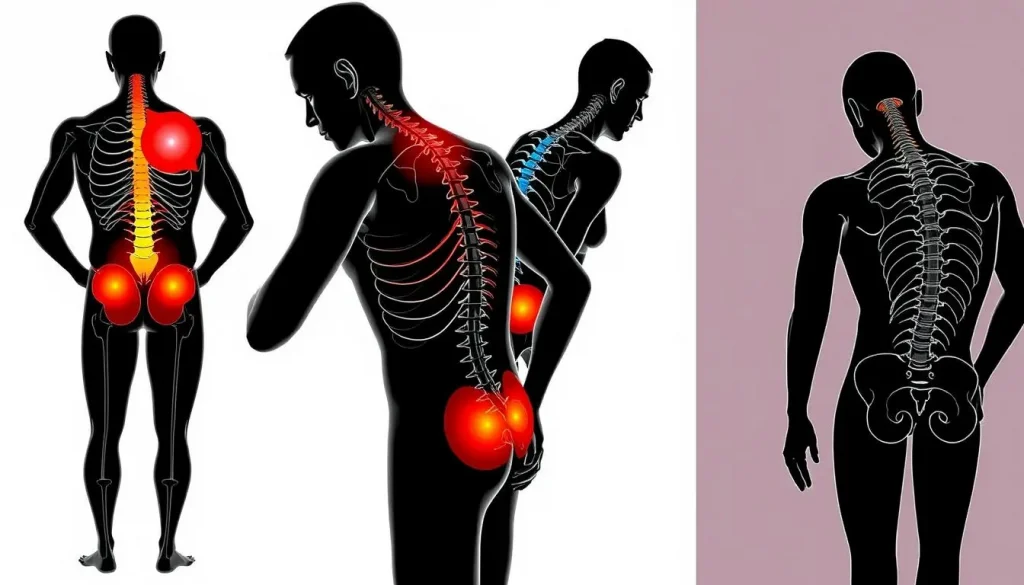
Basically, "vertebrogenic" just means "coming from the vertebrae." Think of your vertebrae as the building blocks of your spine – those bony segments stacked on top of each other, keeping you upright and fabulous. Low back pain? You guessed it, that's the ache in your lower back that's making you say "Ouch!" more often than you'd like.
So, put it all together, and vertebrogenic low back pain is that nagging, sometimes sharp, sometimes dull, but always annoying pain that originates from one or more of the vertebrae in your lower back. Imagine your spine whispering, "Hey, I'm not feeling so good down here!"
Must Read
What Causes This Painful Party in Your Spine?
Okay, so why does this happen? Well, your vertebrae have these little things called endplates. These are like the "caps" on the ends of each vertebra, and they're crucial for getting nutrients in and waste out of the bone. When these endplates get damaged or irritated (think wear and tear, or maybe a small injury), they can become a source of pain. It’s like when your phone charger is frayed and only works when you hold it at a certain angle. Annoying, right?
Another common culprit? The vertebral disc. These act as cushions between your vertebrae. When these start to degenerate or dry out, it can cause the vertebrae to rub together, leading to pain and inflammation. Basically, they're supposed to be bouncy castles for your spine, and sometimes they deflate.

Here’s a simplified breakdown:
- Endplate Issues: Damaged or irritated endplates send pain signals.
- Disc Degeneration: Discs wear down, causing vertebrae to rub and ache.
- Arthritis: The dreaded "A" word! Arthritis in the spine can also cause vertebrogenic pain.
Identifying Your Pain Villain
How do you know if your low back pain is actually vertebrogenic? Well, it’s always best to see a healthcare professional for a proper diagnosis. But, there are some clues!
.webp)
Location, Location, Location! Vertebrogenic pain tends to be located in the center of your lower back. It's that deep ache right along your spine that says, "Hello, I'm right here!"
Aggravating Factors: Activities like bending, twisting, or even just sitting for long periods might make the pain worse. Conversely, lying down or changing positions might bring some relief. Think of it as your back staging a little protest against certain movements.
Exclusion is Key: Your doctor will likely rule out other potential causes of back pain, like muscle strains, disc herniations (those are like spinal jelly donuts that squish out of place!), or nerve compression. Think of it as a process of elimination, like figuring out which suspect stole the cookies from the cookie jar.

What's the ICD-10 Code All About?
Ah, yes, the infamous ICD-10 code! This is basically a standardized code used by healthcare providers to classify and code diagnoses, symptoms, and procedures. For vertebrogenic low back pain, you'll often see codes like M54.5. Don't worry, you don't need to memorize it! It's just a way for doctors to communicate effectively and for insurance companies to (attempt to) understand what's going on. Think of it as a secret medical language... that's not so secret anymore.
So, What Can You Do About It?
Okay, so you suspect you might have vertebrogenic low back pain. What's the plan of attack? Here are a few common approaches:
- Physical Therapy: Strengthening your core muscles and improving your posture can work wonders. Think of it as building a fortress around your spine to protect it.
- Pain Medications: Over-the-counter pain relievers or prescription medications can help manage the pain. But, always talk to your doctor before taking anything.
- Injections: In some cases, injections of corticosteroids or other medications can help reduce inflammation and pain.
- Lifestyle Adjustments: Simple things like maintaining a healthy weight, practicing good posture, and using proper lifting techniques can make a big difference.
The most important thing is to consult with a healthcare professional to get a proper diagnosis and develop a personalized treatment plan. Don’t just Google your symptoms and declare yourself a doctor! Leave that to the professionals (and maybe House, M.D.).
So, there you have it! Vertebrogenic low back pain – decoded! It might sound scary, but with proper diagnosis and treatment, you can definitely get back to doing the things you love without that nagging pain in your lower back.
Remember, your spine is a fantastic piece of engineering! Take care of it, listen to what it's telling you, and don't be afraid to seek help when it needs it. You've got this! Now go forth and conquer (or at least comfortably sit through a movie)!