I Taste Like Cookies In Spanish
Ever stumbled upon a phrase in another language that just makes you smile? Learning a new language isn't just about grammar and vocabulary; it's about unlocking a whole new way of thinking and expressing yourself. And sometimes, the most delightful discoveries come from the simplest phrases. Today, let's explore one such quirky phrase: "I taste like cookies" in Spanish – or rather, what it actually translates to and why it's a fun little linguistic detour.
So, what's the Spanish translation? Well, there isn't a direct, natural way to say "I taste like cookies." Instead, we need to think about what we actually mean. If you want to express that someone is incredibly sweet, adorable, or charming, you wouldn't literally say they taste like cookies. In Spanish, you'd use idioms and expressions that convey the same sentiment. Think of it like translating humor; it rarely works word-for-word.
The purpose of exploring phrases like this isn't to find a literal translation, but to understand the nuances of language and culture. It's about moving beyond rote memorization and delving into the idiomatic expressions that give a language its flavor. Learning these nuances can significantly improve your comprehension and communication skills, and make interactions with native speakers more meaningful and enjoyable. The benefit is a richer, deeper connection to the language and the people who speak it.
Must Read
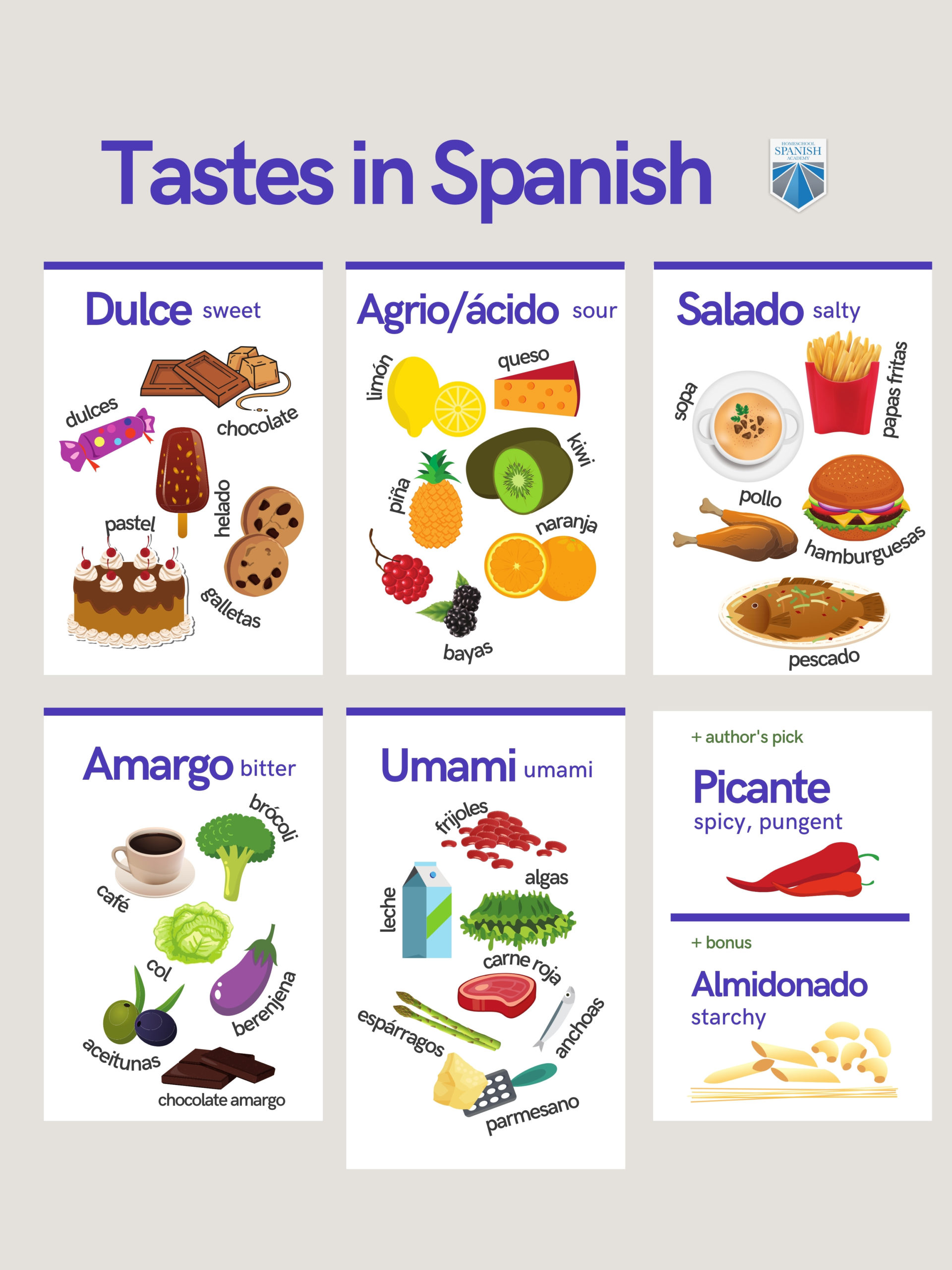
How can we use this in education or daily life? Imagine you're teaching Spanish to children. Instead of focusing solely on vocabulary lists, you could introduce this concept as a fun exercise in cultural understanding. Ask them: "How would you describe someone who is really nice in English?" Then, explore how that concept is expressed in Spanish. You might introduce words like "dulce" (sweet) or phrases like "es un encanto" (they are a delight). This approach makes learning interactive and memorable.
In daily life, understanding these subtle differences can prevent misunderstandings and foster better communication. If someone tells you in Spanish that someone "es un pan de Dios" (is a bread of God), you'll know they're describing someone exceptionally kind and good-natured. You wouldn't literally think they were talking about a loaf of bread! Recognizing these patterns expands your cultural awareness and allows you to navigate conversations with greater confidence and sensitivity.
Here are some practical tips for exploring this concept further: Start by identifying common adjectives in English that you use to describe people's personalities. Then, research how those adjectives are expressed in Spanish. Use online dictionaries and translation tools, but also pay attention to the examples provided. Listen to Spanish conversations and notice how people compliment each other. Read Spanish literature or watch Spanish-language films and television shows, paying close attention to the dialogue. You'll soon begin to pick up on the subtle nuances of the language and gain a better understanding of how to express yourself effectively.
Ultimately, the "I taste like cookies" exercise is a reminder that language learning is an ongoing journey of discovery. It's about embracing the unexpected, celebrating the differences, and finding joy in the little things. So, go ahead, explore the quirky corners of the Spanish language – you might just find something deliciously sweet!
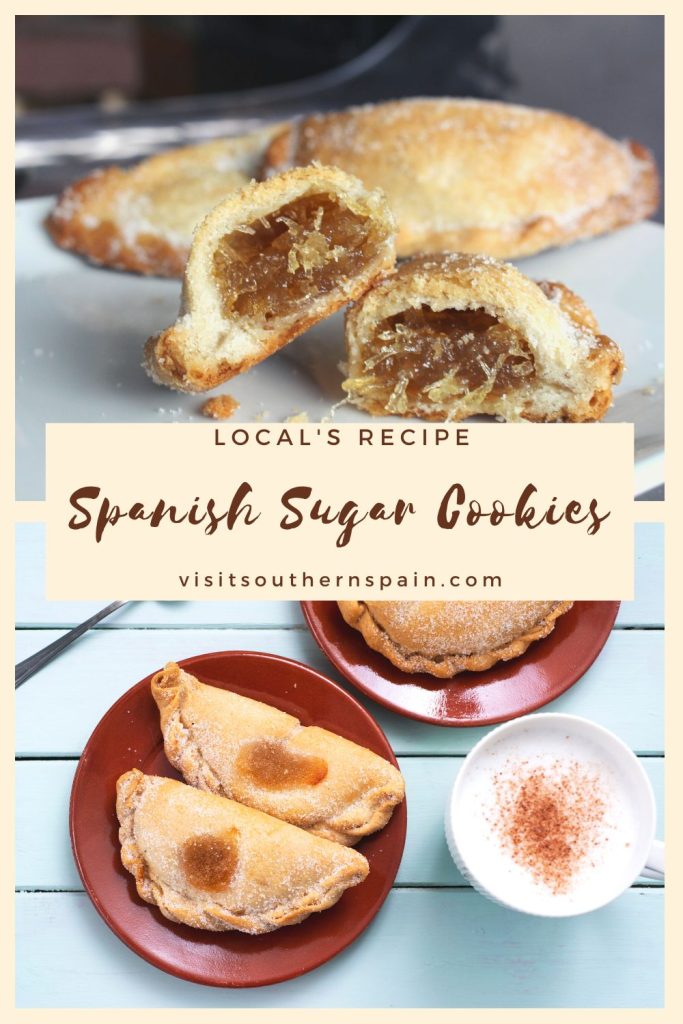
![Spanish Chocolate Chip Cookies [Ultimate Recipe]](https://visitsouthernspain.com/wp-content/uploads/2021/04/1-720x1080.jpg)