
I Ll Be Home For Christmas Sheet Music

Have you ever looked at a piece of "I'll Be Home For Christmas" sheet music and thought, "Wow, that looks... complicated"? Don't worry, you're not alone! But behind those black dots and squiggly lines lies a surprisingly heartwarming – and sometimes even humorous – story. It's a tale of wartime longing, accidental hits, and a song that’s become practically synonymous with the holiday season.
The song itself wasn't some ancient carol passed down through generations of frosty-nosed reindeer. Nope, it's actually a relatively modern tune, born from the collective emotions of a nation at war. It was 1943, and World War II was raging. Soldiers were scattered across the globe, dreaming of familiar comforts and the warm embrace of home. Songwriters Walter Kent and Kim Gannon, along with lyricist Buck Ram, tapped directly into that yearning.
Can you imagine being one of those soldiers, thousands of miles away, hearing this song for the first time? It wasn’t just a catchy melody; it was a message, a promise, a collective wish whispered across the airwaves. “I'll be home for Christmas, if only in my dreams…” Talk about a tearjerker! It’s no wonder the song resonated so deeply and became an instant hit.
Must Read
Here's where things get a little… interesting. The song was initially recorded by Bing Crosby, the crooner of his generation. And while Crosby's version is undoubtedly iconic (go ahead, try and imagine Christmas without hearing his smooth voice), other artists were quick to jump on the bandwagon. And that's where the competition – and a bit of comical chaos – ensued!
Imagine this: record labels scrambling to get their own versions of "I'll Be Home For Christmas" out the door before anyone else. Think of the late-night recording sessions, the frantic arrangements, the desperate pleas to radio stations to play their version. It must have been like a Christmas-themed musical free-for-all!
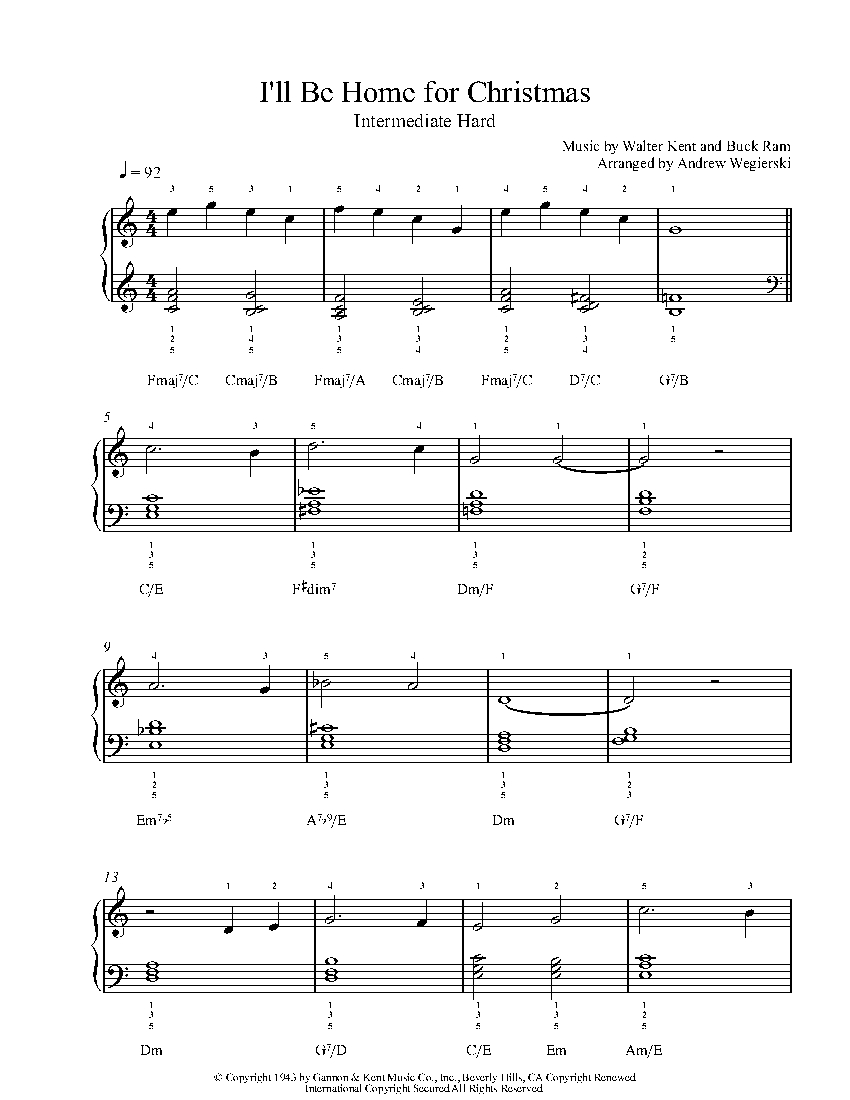
And the sheet music? Well, that became a battleground, too. Different publishers, different arrangements, slightly different lyrics – it was a maze for anyone who wanted to play along. Imagine your family gathered around the piano on Christmas Eve, only to discover that Uncle Joe is playing a completely different version of the song because he bought his sheet music from a different store! “Wait, that's not how it goes!” Cue the awkward laughter and the scramble for the "correct" version.
The Power of Simplicity
Despite the potential for musical mayhem, what's truly remarkable about "I'll Be Home For Christmas" is its inherent simplicity. Look at the sheet music – the melody is straightforward, the chords are accessible. It's a song that anyone, from a seasoned musician to a nervous beginner, can learn to play. And that’s part of its magic.
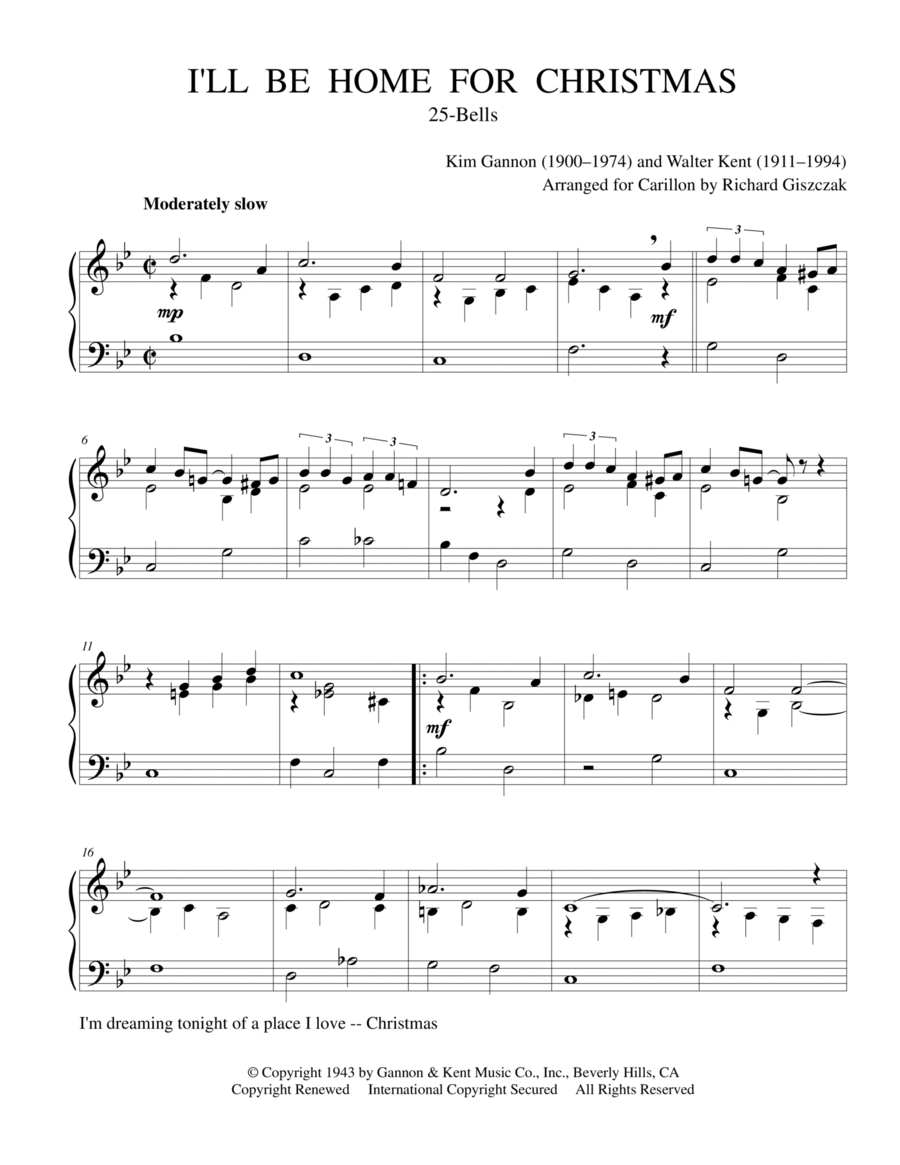
It's a song that invites participation. It encourages us to gather around the piano, to sing along (even if we're a little off-key), to share a moment of connection. It’s a reminder that Christmas isn't just about presents and elaborate decorations; it's about being together, in whatever form that takes.
The "I'll Be Home For Christmas" sheet music isn't just a piece of paper filled with notes; it's a portal to a different time, a tangible link to the past. It's a reminder of the sacrifices made during wartime, the enduring power of hope, and the universal longing for home.
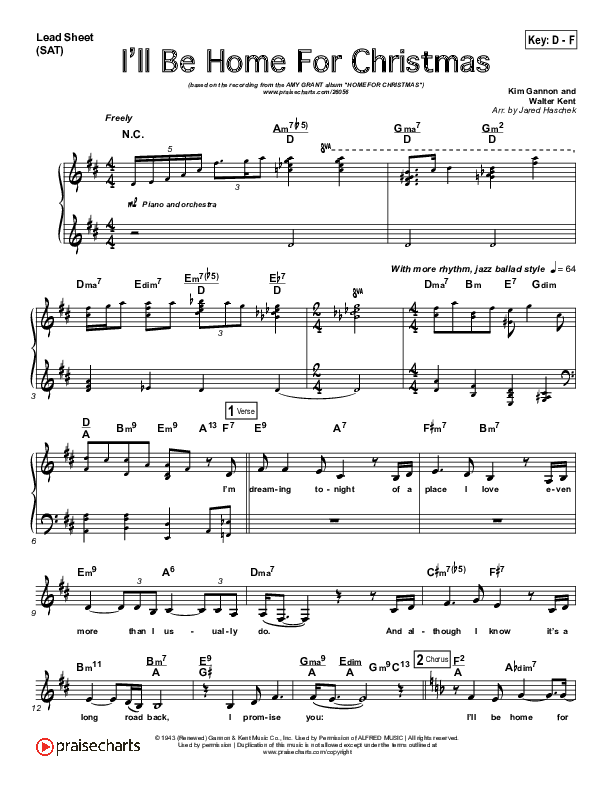
So, the next time you see a copy of the sheet music, don't just see the notes. See the history, the emotion, the sheer Christmas chaos behind it all. And maybe, just maybe, give it a try on the piano. You might surprise yourself – and you'll definitely bring a little bit of Christmas magic to life. Even if it's a slightly different version than you expected!
"I'll be home for Christmas, you can count on me..."
That simple line, repeated countless times, has cemented this song's place in our collective holiday consciousness. It's a promise, a plea, and a reminder that even in the midst of distance and hardship, the spirit of Christmas – and the hope of home – can always endure.
![I'll Be Home For Christmas [Jazz version] (arr. Brent Edstrom) by Bing](https://s3.amazonaws.com/halleonard-pagepreviews/HL_DDS_2023682Wa2MUg8CAn.png)