Hunger Games Books In Order

Okay, tribute, ready to dive back into Panem? Whether you're a seasoned Hunger Games veteran or a fresh-faced District 12 hopeful, knowing the order of the books is essential for a seamless journey through Suzanne Collins' captivating world. Let's break it down with less dread and more bread (from District 11, of course!).
The Original Trilogy: May the Odds Be Ever In Your Favor
This is where it all began, folks. Katniss Everdeen's reluctant rise to becoming the Mockingjay. These books are the foundation, the bedrock, the slightly-burnt-but-still-delicious bread that fuels the entire franchise.
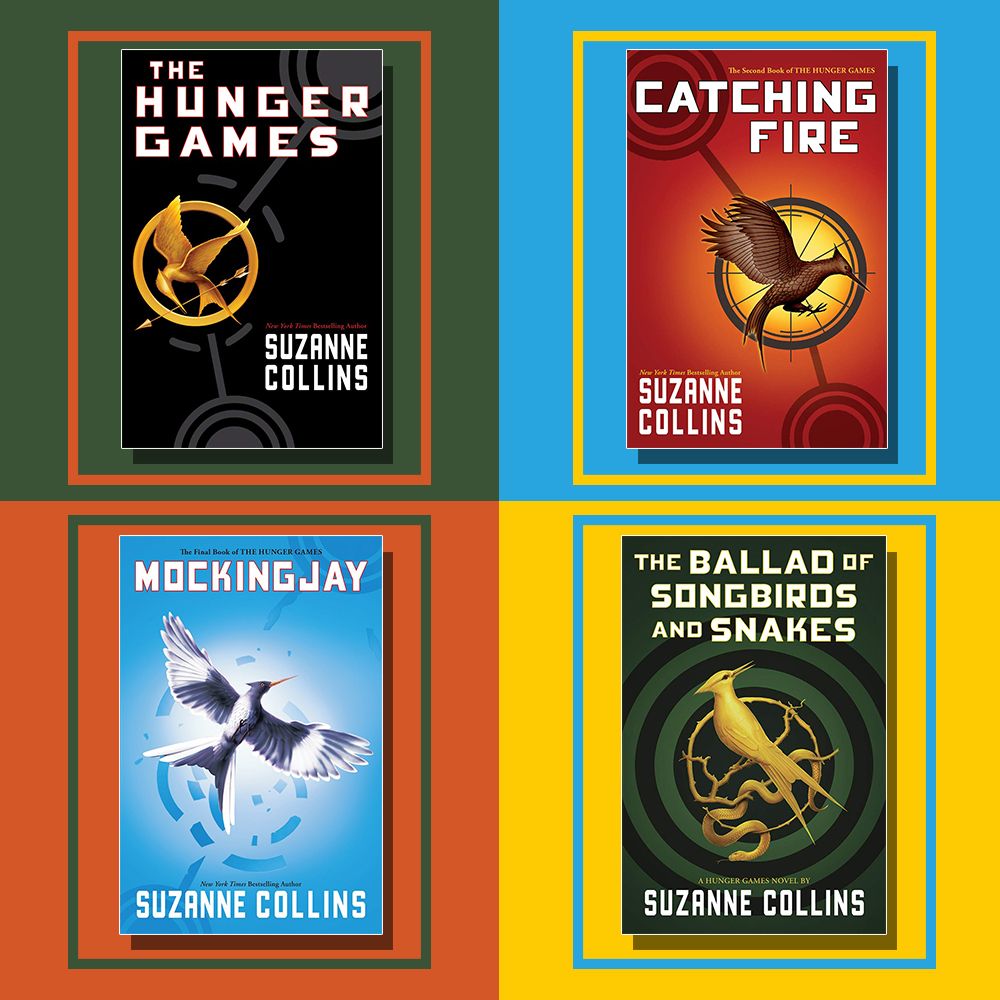
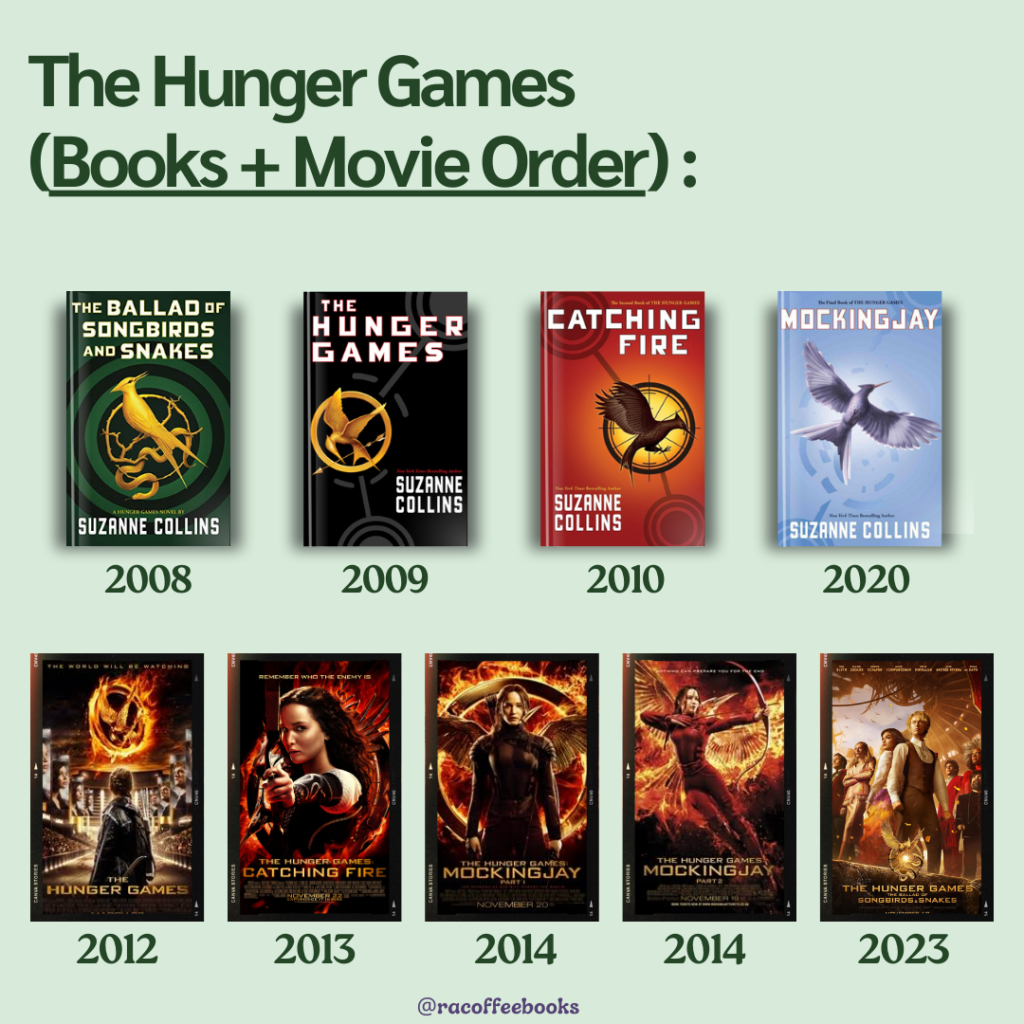
- The Hunger Games (2008): The book that started it all! We meet Katniss, Peeta, and the horrifying reality of the Games. Think Lord of the Flies meets dystopian survival, with a sprinkle of teenage angst.
- Catching Fire (2009): The stakes are higher, the costumes are flashier (thanks, Cinna!), and the rebellion is brewing. Expect more political intrigue and action-packed arena showdowns.
- Mockingjay (2010): The revolution is here, and it's messy. This one explores the brutal realities of war and the complexities of leadership. Prepare for some feels!
The Prequel: A Blast from the Past
Years later, Suzanne Collins graced us with a look into the past. A time when the Hunger Games were even more barbaric and Snow was… well, still Snow, just younger and even more calculating.
Must Read
- The Ballad of Songbirds and Snakes (2020): This prequel explores the early life of Coriolanus Snow and his involvement in the 10th Hunger Games. It’s a fascinating and disturbing look at how evil can be nurtured and justified. Think Machiavelli for Millennials, but with singing and snakes (obviously).
Tip: Reading order matters! Start with The Hunger Games and work your way through chronologically. Jumping around will spoil key plot points and rob you of the intended emotional impact.
Why the Order Matters (Beyond Just Plot)
Understanding the chronological order allows you to appreciate the subtle nuances and recurring themes throughout the series. You’ll see how the Games evolved (or devolved, depending on your perspective), how the rebellion gained momentum, and how the characters' choices shape the future of Panem.

Fun Fact: Suzanne Collins drew inspiration from Greek mythology (specifically the story of Theseus and the Minotaur) and her own father's experiences in the Vietnam War when creating the Hunger Games.
Beyond the Books: Expanding Your Panem Knowledge
Want to immerse yourself even further? Here’s how:

- The Movies: While not always perfectly faithful to the books, the film adaptations offer a visual representation of Panem and its inhabitants. Plus, Jennifer Lawrence as Katniss? Iconic.
- Fan Theories: The internet is a treasure trove of Hunger Games theories, from the plausible to the downright bizarre. Dive in at your own risk!
- Social Commentary: The Hunger Games explores themes of social inequality, political corruption, and the dangers of unchecked power. Use the books as a springboard for discussions about these issues in the real world.
Practical Tip: If you're doing a re-read, consider annotating your books! Highlight key passages, jot down your thoughts, and track character development. It's a great way to deepen your understanding and appreciation of the series.
In a Nutshell (or a Katniss Braid)
The Hunger Games books in order are: 1. The Hunger Games, 2. Catching Fire, 3. Mockingjay, and 4. The Ballad of Songbirds and Snakes. Now go forth and may the odds be ever in your favor...of understanding the complex world of Panem!
Bold text: Never forget who you are. The rest of the world will not. Wear it like armor, and it can never be used to hurt you.
Reflecting on Panem in Our World
While Panem is a fictional dystopia, the themes explored in the Hunger Games resonate deeply with our own reality. Issues of inequality, political manipulation, and the importance of resistance are all too relevant today. By engaging with these stories, we can become more critical thinkers, more informed citizens, and more active participants in shaping a better future. After all, even in the darkest of times, there is always hope – just like the Mockingjay, it reminds us of the courage within us.