How To Use Methylene Blue Drops
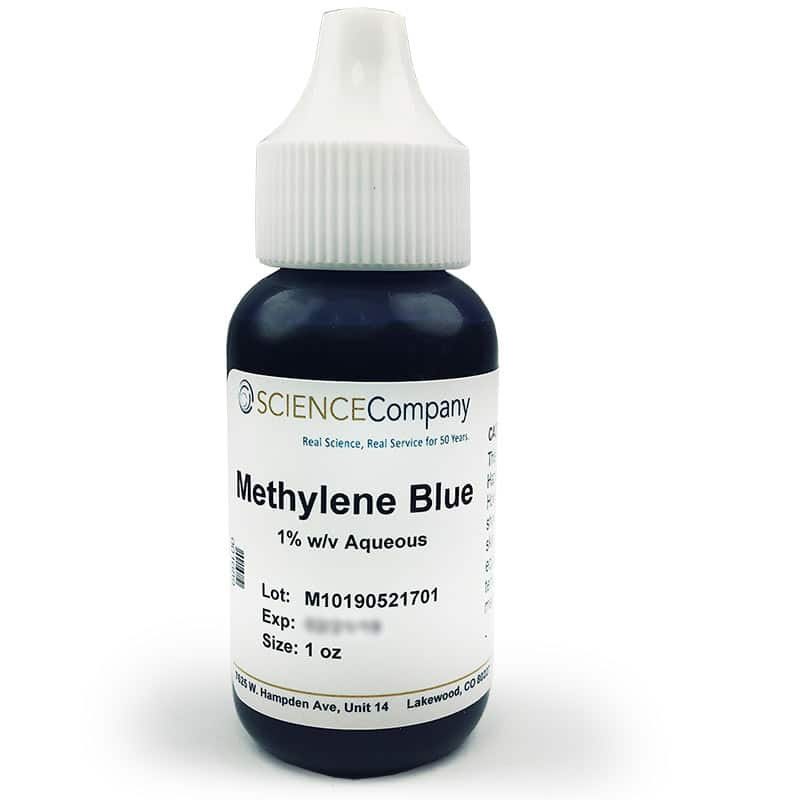
Ever feel like your fish tank is having a perpetual bad hair day? Cloudy water, lethargic fish, the whole shebang? Well, before you resign yourself to becoming the official Grim Reaper of your aquatic friends, let's talk about methylene blue. Think of it as the fish tank equivalent of chicken soup for the soul… if chicken soup turned a majestic, slightly alarming, shade of blue.
Methylene blue, despite its intimidating name, is actually pretty straightforward to use. It's like that friend who always has a solution, even if it involves a bit of tie-dye.
What is Methylene Blue, Anyway?
Okay, let's ditch the poetic license for a sec. Methylene blue is basically a dye – yes, like the kind that can stain your fingers if you’re not careful (speaking from experience!). But it's also a surprisingly effective antiseptic and antifungal agent for fish. It works by interfering with the ability of certain organisms to breathe, basically cutting off their air supply like a grumpy landlord.
Must Read
Think of it like this: your fish tank is a bustling city. Sometimes, bad guys (bacteria, fungus, parasites) move in and start causing trouble. Methylene blue is the super cop swooping in to restore order. It's not a perfect analogy, but hey, it’s better than comparing it to quantum physics!

When Do You Need the Blue Stuff?
So, how do you know when your fishy metropolis needs a visit from Captain Blue? Here are a few telltale signs:
- Fungal infections: Fuzzy white patches on your fish? Think of it as the fish version of moldy bread. Yuck.
- Bacterial infections: Red streaks, sores, or general ickiness? Definitely time to call in the blue brigade.
- Ammonia or nitrite poisoning: If your water parameters are out of whack and your fish are gasping for air at the surface, methylene blue can help their blood carry oxygen better. It's like giving them little underwater oxygen tanks!
- Quarantine: Adding new fish? Dip them in a methylene blue solution before introducing them to the main tank to prevent the spread of potential nasties. Think of it as a fishy TSA screening.
How to Use Methylene Blue Drops: A (Relatively) Foolproof Guide
Alright, let's get down to brass tacks. Using methylene blue is easier than assembling IKEA furniture, I promise. Here's the drill:

- Read the Label! Seriously, this is not optional. Different brands have different concentrations, so follow the instructions on your specific bottle like your fish's lives depend on it (because, well, they kinda do).
- Calculate Dosage: This usually involves figuring out how many gallons your tank holds. If you don't know, a quick Google search will do the trick. Overdosing is a no-no; it’s like giving your fish a caffeine overdose – jittery and not fun for anyone.
- Dilute the Solution: Before adding the methylene blue directly to your tank, dilute it in a small container of water from the tank. This helps distribute it more evenly and prevents shocking your fish.
- Add Slowly: Gradually pour the diluted solution into your tank, preferably near the filter output to help it circulate.
- Remove Activated Carbon: Activated carbon filters will absorb the methylene blue, rendering it useless. Take it out before you start! Think of it as kicking the saboteur out of the city.
- Observe Your Fish: Keep a close eye on your fish after adding the methylene blue. If they start acting strangely (gasping, darting around), do a partial water change immediately.
- Repeat as Necessary: Depending on the severity of the problem, you may need to repeat the treatment for several days. Remember to follow the instructions on the label!
Important Things to Keep in Mind
Before you go all Jackson Pollock on your fish tank, here are a few more things to remember:
- Methylene blue will stain things blue! Be careful not to spill it on your clothes, carpet, or that pristine white countertop you just installed.
- It can affect your biological filter: While methylene blue is generally safe, it can still disrupt your beneficial bacteria. Keep a close eye on your water parameters during treatment.
- Not all fish like it: Some fish, like invertebrates (shrimp, snails), are particularly sensitive to methylene blue. Do your research before treating a tank with these inhabitants.
So, there you have it! Methylene blue: the blue cure-all for your fishy woes. Just remember to be careful, follow the instructions, and don't be afraid to ask for help if you're unsure. After all, a happy fish is a healthy fish, and a healthy fish makes for a happy fish keeper. Now go forth and conquer those aquatic ailments!