
How To Use Castor Oil For Nail Fungus
Okay, so you've got nail fungus. Bummer! I get it. It's not exactly the hottest topic at brunch, is it? But hey, we're friends, right? And friends don't let friends have funky nails. So, let's talk about using castor oil. Yes, that stuff your grandma probably swore by. But does it actually work? Let's dive in.
What's the Deal with Castor Oil Anyway?
Castor oil. It's thick, it's…well, let's just say it's got a distinct smell. But beyond the sensory experience (or lack thereof!), it's packed with ricinoleic acid. Now, don't let the word "acid" scare you! Ricinoleic acid is known for its anti-inflammatory and antimicrobial properties. Basically, it's like a tiny warrior ready to fight off those pesky fungal invaders. Can’t hurt, right? (Maybe just your nose a little).
So, How Do We Use This Stuff?
Alright, let's get down to brass tacks. Applying castor oil is pretty straightforward. You don't need a PhD in nail care (thank goodness!). Here’s the lowdown:
Must Read
1. Prep Your Nails: Before you even think about opening that bottle of castor oil, give your nails some love. Wash and dry your feet (or hands, depending on which nails are afflicted). Trim your nails. Gently file away any loose or dead nail material. Think of it as prepping the battlefield! We need to clear the area for the castor oil to work its magic.
2. Application Time: Now for the main event! Using a cotton swab or your (clean!) fingers, apply a generous amount of castor oil to the affected nails. Make sure you get it under the nail, around the cuticle, and everywhere that fungus might be hiding. Don't be shy!

3. Let It Soak In: This is where the patience comes in. You'll want to let the oil soak in for at least 30 minutes. Or even better, leave it on overnight! Wrap your nails in a bandage or put on some socks (cotton, please – we're trying to be nice to our feet here). This helps the oil stay put and work its magic.
4. Repeat, Repeat, Repeat: Consistency is key here, my friend. This isn't a one-and-done kind of deal. You'll need to apply castor oil daily (or even twice a day) for several weeks, or even months, to see results. Think of it as a marathon, not a sprint. And honestly, are you really surprised? Nail fungus is stubborn!
Extra Credit: Boosting the Power!
Want to give your castor oil treatment a little extra oomph? Here are a few ideas:
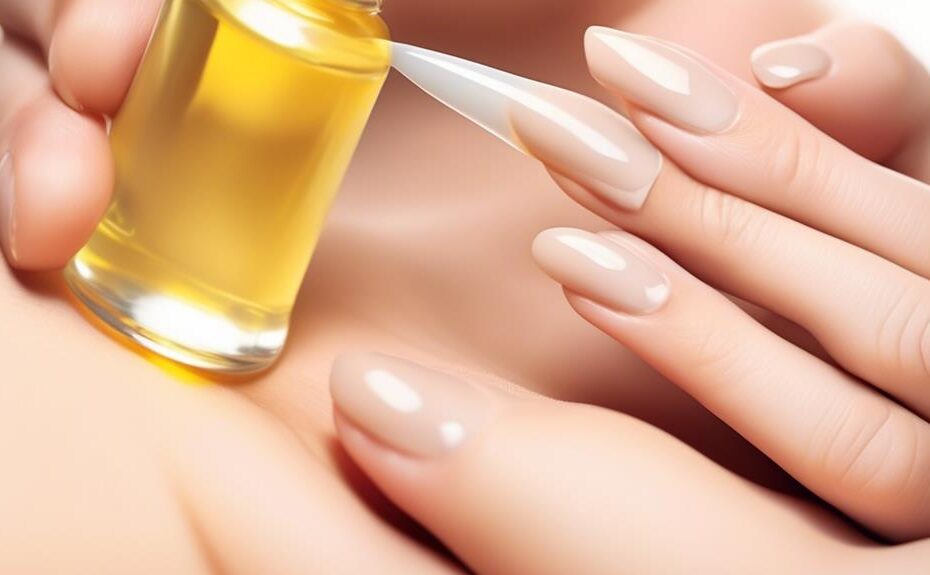
Tea Tree Oil: Add a drop or two of tea tree oil to your castor oil. Tea tree oil is another powerhouse antifungal. Just be careful, it's potent stuff!
Warm Compresses: Before applying the oil, soak your nails in warm water for a few minutes. This can help soften the nails and allow the oil to penetrate better.
Apple Cider Vinegar Soak: Do you like the smell? Before applying castor oil, soak nails in a diluted solution of apple cider vinegar and water. ACV is known for its antifungal properties. Word of caution, use a diluted solution.

Important Caveats (aka The Fine Print)
Okay, before you go slathering castor oil all over your nails, a few words of caution:
It Takes Time: Don't expect overnight miracles. Nail fungus is notoriously slow to treat. Be patient and persistent.
It Might Not Work for Everyone: Sadly, castor oil isn't a guaranteed cure. For severe infections, you might need to see a doctor and get prescription medication.

Allergies: As with any new treatment, do a patch test first. Apply a small amount of castor oil to your skin and wait 24 hours to see if you have any allergic reaction.
Consult Your Doctor: If you're pregnant, breastfeeding, or have any underlying health conditions, talk to your doctor before using castor oil.
The Bottom Line
So, there you have it. Castor oil might be a helpful home remedy for nail fungus. It's affordable, easy to use, and relatively safe. But remember to be patient, persistent, and realistic. And if all else fails, don't be afraid to seek professional help. Good luck, and happy (hopefully fungus-free) nails!