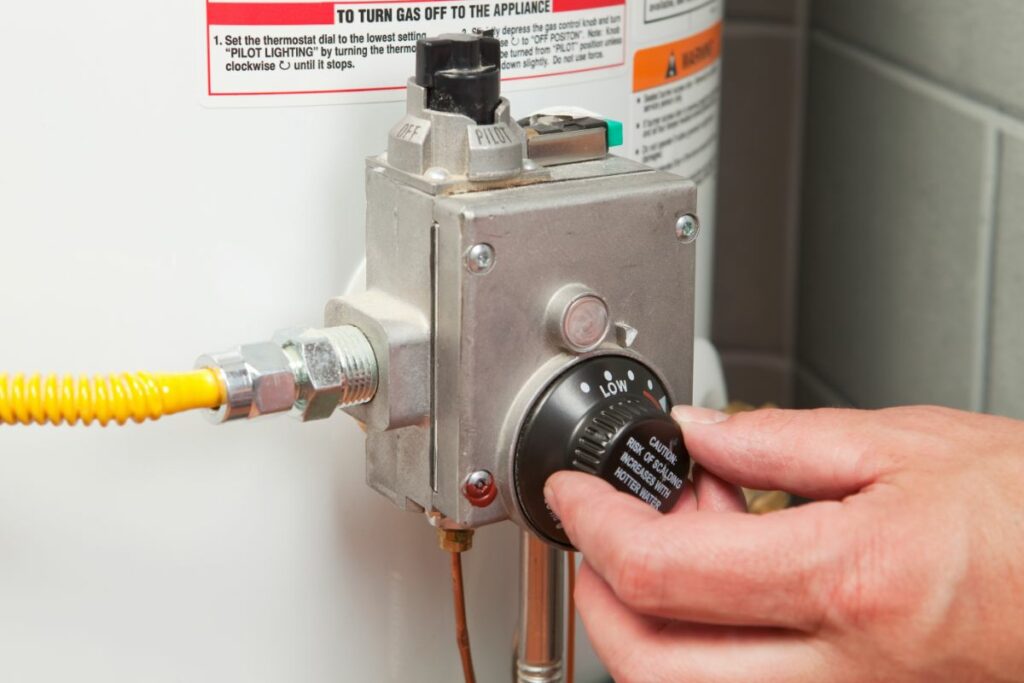
How To Turn Up Water Heater

Let's be honest, tinkering with your water heater might not sound like a wild Saturday night activity, but understanding how to adjust it is surprisingly empowering! Whether you're battling lukewarm showers, prepping for a house full of guests, or just trying to save a few bucks on your energy bill, knowing how to turn up (or down!) your water heater is a practical skill everyone should have. It’s like having a superpower over your own comfort and budget.
So, why is this knowledge beneficial? Well, for beginners, it's about taking control of your home's basic functions. You don't have to rely on calling a plumber for minor temperature adjustments. For families, especially those with young kids or older relatives, it’s about ensuring everyone has a comfortable and safe showering experience. Too hot, and it's a scalding hazard. Too cold, and it's an unhappy bath time. And for the hobbyists and DIY enthusiasts, adjusting your water heater might be necessary for specific projects, like brewing beer (which requires precise temperature control) or washing extra-dirty equipment.
The most common reason to adjust your water heater is simply temperature preference. Maybe you prefer a scorching hot shower to wake you up, or perhaps you like a gentler, more relaxing warm water. Another reason is energy saving. The Department of Energy recommends setting your water heater to 120°F (49°C). This temperature is hot enough for most uses and also minimizes the risk of scalding and reduces energy consumption. Some older water heaters might not have a numbered dial, instead using settings like "Low," "Medium," and "High." In this case, experiment gradually to find your ideal setting.
Must Read
Ready to get started? Here are some simple, practical tips:

- Safety First: Always turn off the power to your water heater at the circuit breaker before making any adjustments. This prevents electric shock.
- Locate the Thermostat: Usually, you'll find the thermostat behind an access panel on the side of the water heater. You might need a screwdriver to remove the panel.
- Read the Instructions: Check the manufacturer's instructions on the water heater itself or in the owner's manual. These will provide specific directions for your model.
- Adjust Gradually: Make small adjustments – a few degrees at a time – and wait several hours before testing the water temperature. This prevents overshooting your desired temperature.
- Use a Thermometer: Run hot water from a faucet until it reaches its maximum temperature. Then, use a thermometer to check the water temperature. This will help you accurately gauge the effect of your adjustments.
- Be Patient: It can take several hours for the water heater to fully heat up or cool down after an adjustment.
Remember to always prioritize safety. If you're uncomfortable working with electricity or unsure about any aspect of the process, it's best to call a qualified plumber or electrician. They can safely adjust your water heater and ensure it's operating efficiently.
Ultimately, understanding your water heater and being able to make simple adjustments is a rewarding skill. It gives you greater control over your home environment, helps you save money, and ensures your comfort. Enjoy the feeling of mastering this little piece of your home's inner workings!