
How To Turn Off The Fire Alarm Beeping
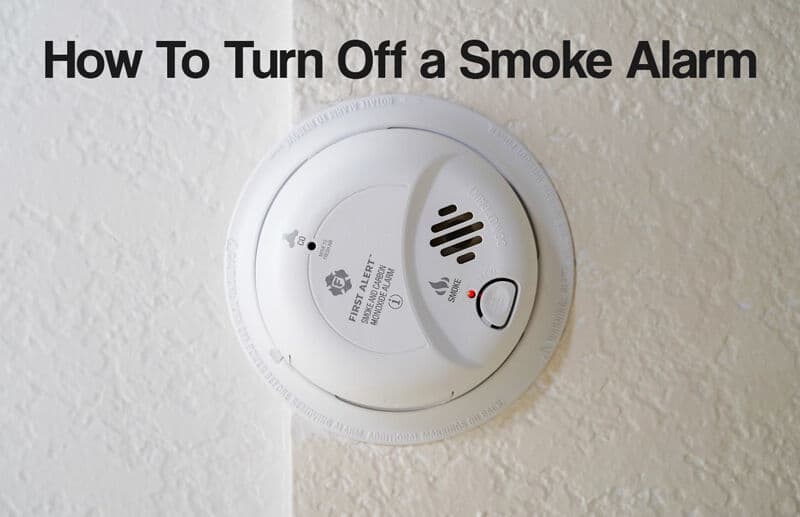
Ah, the unmistakable, ear-splitting, and frankly, unrelenting chirp of a fire alarm with a dying battery. It’s a sound that can snap you out of the deepest slumber, halt your Netflix binge mid-cliffhanger, and turn even the calmest individual into a frantic ceiling-gazer. It’s like a tiny, metallic cricket has decided to take up residence directly inside your brain, performing a relentless, off-key solo.
You know the drill. It starts innocently enough – just one little peep. You dismiss it, thinking it’s the neighbor’s cat or perhaps a phantom cricket. Then, five minutes later, BEEP! There it is again, louder this time, more insistent. Congratulations, you've just been drafted into the involuntary, late-night game of "Find the Beeping Menace."
The Symphony of Annoyance
That particular sound, that singular high-pitched chirp, has a magical ability to penetrate walls, defy distance, and target your very last nerve. It’s not a full alarm blare, which would at least signal a clear and present danger. No, this is far more insidious. This is the sound of an appliance in its death throes, desperately pleading for attention, one excruciating beep at a time.
Must Read
It’s like a toddler who’s discovered a new, annoying word and has decided to repeat it, ad infinitum, just to see your reaction. Or perhaps it’s more akin to that one friend who tells a story with a crucial detail missing, only to remember it after you’ve walked away, shouting it down the street with increasing urgency. Except, you know, much, much louder and impossible to ignore.
Why, Oh Why, Does It Beep?
In 99.9% of cases, that infernal chirping means one thing and one thing only: a low battery. Your smoke alarm, bless its little electronic heart, is doing its job by letting you know it needs a power boost. It’s like your phone giving you that annoying "10% battery" warning, but instead of a gentle buzz, it’s a full-blown auditory assault.

Sometimes, it might be dust. Or humidity from a steamy shower. Or, heaven forbid, an actual fire (always check for that first, folks, even if you're convinced it's just the battery!). But mostly, it’s just a little 9-volt square ready to retire from active duty. It’s throwing in the towel, but not without one last, dramatic farewell performance.
The Great Alarm Hunt
First step: locate the perpetrator. This is usually where the fun begins. Is it the one in the hallway? The kitchen? The forgotten one in the spare room ceiling that you swear has never made a sound before? You’ll walk around, head tilted like a confused dog, trying to pinpoint the source of the sonic terror. It's a DIY sonar mission, and you are the reluctant submarine captain.

Once you’ve identified the culprit, the next challenge arises: how do I reach it? If you’re blessed with cathedral ceilings, this is where the inner architect in you starts to question all life choices. Most of us will grab the nearest unstable chair, a wobbly step stool, or maybe even attempt to swat it with a broom, like an angry wizard fighting a rogue bludger.
The Button: A Cruel Hoax?
Many alarms have a "test" or "hush" button. You might, in a moment of desperate optimism, press it. Sometimes, it works, granting you a glorious, but often temporary, reprieve. More often, it simply makes the alarm emit a full-blown, ear-shattering, apocalyptic screech just to remind you of its true power, before settling back into its annoying chirp. It’s like pressing the snooze button, only to be hit with a cacophony of regret.
Operation: Battery Extraction
This is where the real heroics begin. You've reached the alarm. Now what? Most alarms have a little latch or a twist-off mechanism. You’ll wrestle with it, probably muttering to yourself, wondering why such a crucial safety device is so frustratingly difficult to access. It’s usually a small, plastic clip that seems designed by mischievous gremlins specifically to thwart your efforts.

Once you pry it open, you’ll see it: the 9-volt battery, looking all innocent and depleted. Detach it. Often, it's connected with a couple of fiddly little clips. Yank it out like you’re defusing a bomb in a Hollywood movie, because honestly, the stakes feel that high in the dead of night.
And then, the best part: the new battery. You’ll replace it, ensuring the polarity is correct (because who wants to do this twice?). Snap the cover back on. Hold your breath.
Sweet, Sweet Silence
The moment of truth. You stand there, waiting. Listening. And then… nothing. Pure, unadulterated, glorious silence. It’s like the angels themselves have descended to serenade your exhausted ears. The house is quiet again, save for the hum of the refrigerator or the gentle purr of the air conditioning. You’ve won. You’ve defeated the beep. You are a champion.
Preventative Measures (Or, How Not to Live This Nightmare Again)
To avoid this delightful nocturnal adventure, here’s a pro tip: change your smoke alarm batteries regularly. A common recommendation is twice a year, perhaps when you change your clocks for daylight saving time. It’s a small task that can save you a whole lot of stress, sleep, and potentially, your sanity.
So, the next time that insistent little chirp invades your peace, remember you’re not alone. We’ve all been there, broom in hand, standing precariously on a chair, questioning our life choices. Take a deep breath, grab your tools, and silence that alarm. Your peace of mind (and your sleep) will thank you for it!