
How To Turn Off Smoke Detector Chirp

Ah, the sweet symphony of silence. It's a rare and precious commodity in our busy lives, isn't it? We crave quiet for sleep, for focus, for simply enjoying a moment of peace. But then, there's that other sound. The persistent, high-pitched, utterly maddening chirp that slices through the tranquility of your home like a tiny, sonic ninja star. Yes, we're talking about the smoke detector chirp. It’s not a sound anyone enjoys, per se, but the profound satisfaction of finally silencing it? That, my friends, is pure, unadulterated bliss.
The purpose of this heroic act of silencing is simple: to reclaim your peace, your sleep, and perhaps your sanity. A chirping smoke detector isn't just an annoyance; it's a sleep disruptor, a concentration killer, and a general mood dampener. It echoes through quiet hallways, picks the absolute worst moment (usually 3 AM), and tests the very limits of your patience. The immediate benefit of turning off that relentless 'BEEP!' is the profound sense of calm that washes over your abode, restoring harmony and allowing you to once again hear yourself think, or better yet, dream.
So, why does this tiny sentinel of safety suddenly turn into a noisy nagger? Most commonly, that insistent chirp is a desperate plea from a low battery. It's the smoke detector's way of saying, 'Hey, I'm trying to protect you, but I need a snack!' Other times, it's an end-of-life signal – a poignant farewell from a device that has served its decade-long purpose. And, of course, there's the classic post-cooking false alarm, where your culinary ambition (or perhaps a slightly over-toasted bagel) triggers a temporary, yet deafening, protest from the ceiling.
Must Read
Ready to restore order? Here are some practical tips to effectively silence the feathered fiend and enjoy the sweet sound of nothing:
1. Identify the Culprit: First, play detective. Which specific detector is chirping? In larger homes, they might chirp in unison or just randomly, so listen closely to pinpoint the offender.

2. Battery Swap for the Win: For most battery-powered or battery-backup units, this is your first line of defense. Get a sturdy step stool or ladder (safety first!). Twist the detector counter-clockwise off its base, open the battery compartment, and swap out the old 9V or AA batteries for fresh, reputable ones. Don't cheap out here; your sleep is worth it!
3. The Magical Reset Button: After changing batteries, or if it's a false alarm from cooking, many detectors have a small reset button (often recessed). Hold it down for 10-20 seconds. This often clears any lingering chirps or false memories.
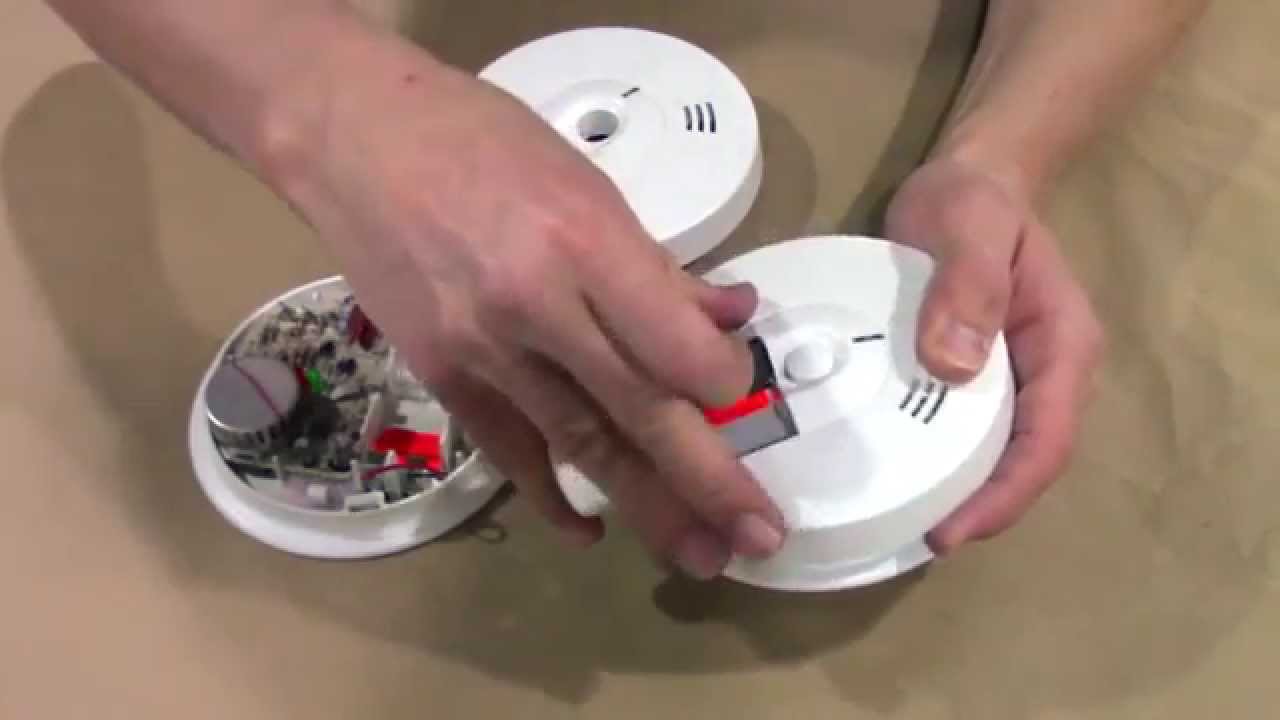
4. Hardwired Units: If your detector is hardwired into your home's electrical system, it still likely has a battery backup. You'll need to turn off the power to that circuit at your breaker box before removing the unit and replacing the backup battery. Once the new battery is in, restore power and then hit the reset button.
5. End-of-Life Announcement: If the chirp persists despite fresh batteries and resets, check the manufacturing date on the back of the unit. Smoke detectors have a lifespan of about 10 years. If it's over that age, it's time for a complete replacement unit.
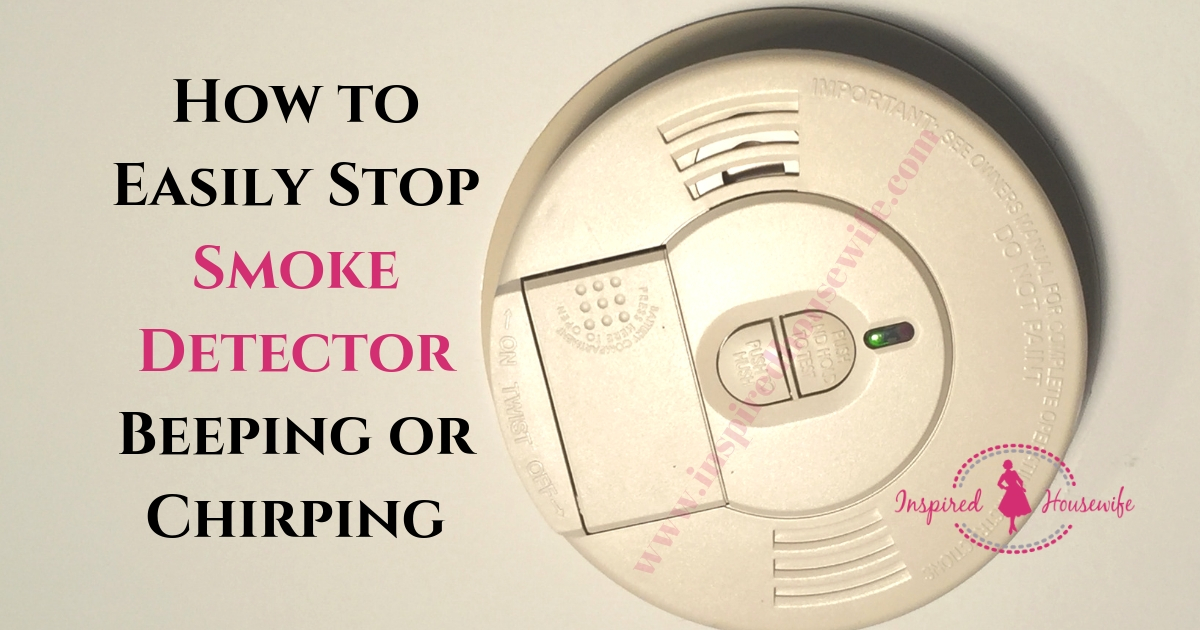
6. Clean it Up: Sometimes dust or small insects can trigger false alarms or chirps. A quick vacuum around the vents or a burst of compressed air can clear out any debris.
Remember, silencing the chirp is about essential maintenance, not about disabling your safety device. Always ensure your smoke detectors are fully functional and properly protecting your home. Test them regularly by pressing their test button. The peace of mind (and quiet!) you gain from a well-maintained, silent smoke detector system is truly priceless.
