How To Tune A Cb Antenna Without Swr Meter
Alright, let's talk CB radios! Ever felt that urge to join the chatter on the airwaves? It's like having a secret handshake with the world, a direct line to truck drivers, adventurers, and maybe even the occasional conspiracy theorist (we don't judge!). But before you start broadcasting your deepest thoughts, there's something super important you gotta do: tune your CB antenna. Now, most folks will tell you that you need an SWR meter for this. But what if you don't have one? Are you just stuck listening to static? Absolutely not!
Let's be real, SWR meters are handy gadgets, but they're not exactly essential for everyone just starting out. Think of it like this: an SWR meter is like a fancy chef's knife – great to have, but you can still chop veggies with a regular one, right? We're going for functionality here, not culinary perfection.
Why Bother Tuning Anyway?
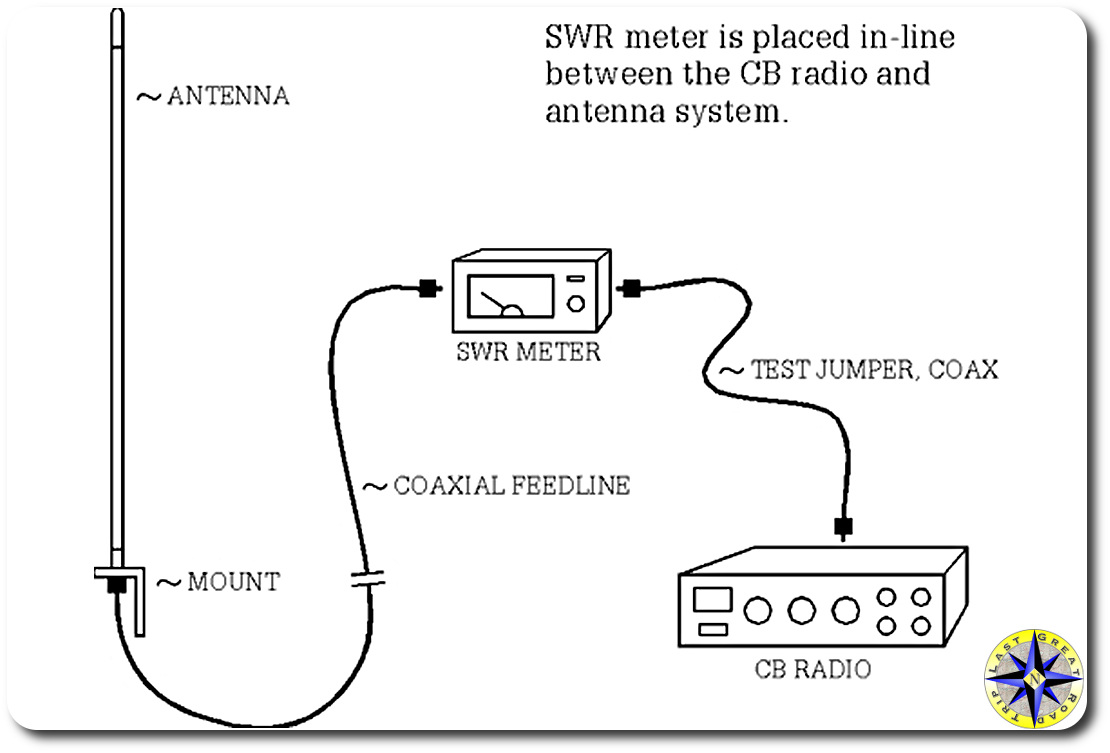
Okay, quick science lesson (don't worry, it's painless!). Tuning your antenna is all about matching its impedance to your radio's impedance. Imagine it like trying to fit a square peg in a round hole – if they don't match, you get resistance. In the CB world, this resistance is called Standing Wave Ratio (SWR). High SWR means a lot of your radio's power is being reflected back, potentially damaging your radio. Nobody wants fried electronics, right?
Must Read
Think of it like shouting into a canyon. If the canyon walls are just right, your voice travels far and clear. But if the walls are messed up, the sound bounces back and gets all garbled. Tuning your antenna is like shaping the canyon walls so your voice (your radio signal) goes out nice and clear.
The "No SWR Meter" Method: It's All About Observation
So, how do we tune without the fancy meter? The key is using your ears and paying close attention. This method isn't as precise as using an SWR meter, but it's a great starting point and can get you surprisingly close. Ready to channel your inner antenna whisperer?

Step 1: Find a Safe, Open Space
First things first, find a clear, open area, away from buildings, trees, and other large metal objects. Why? Because these things can interfere with your signal and give you false readings. Think of it as clearing the stage for your performance. You wouldn't want a giant tree blocking the audience's view, would you?
Step 2: Start Talking (Responsibly!)
Now, with your radio on and tuned to a clear channel (usually channel 1 or 19 is a good starting point), transmit a short message. Don't just hold the transmit button down endlessly! Short bursts are key. Listen carefully to the audio coming from your radio's speaker. Does it sound clear and strong? Or muffled and weak?
Imagine you're trying to yell across a field. If the wind is blowing in your face, your voice won't travel very far. You need to adjust your position (the antenna) to compensate. Same idea here!
Step 3: Adjust Your Antenna
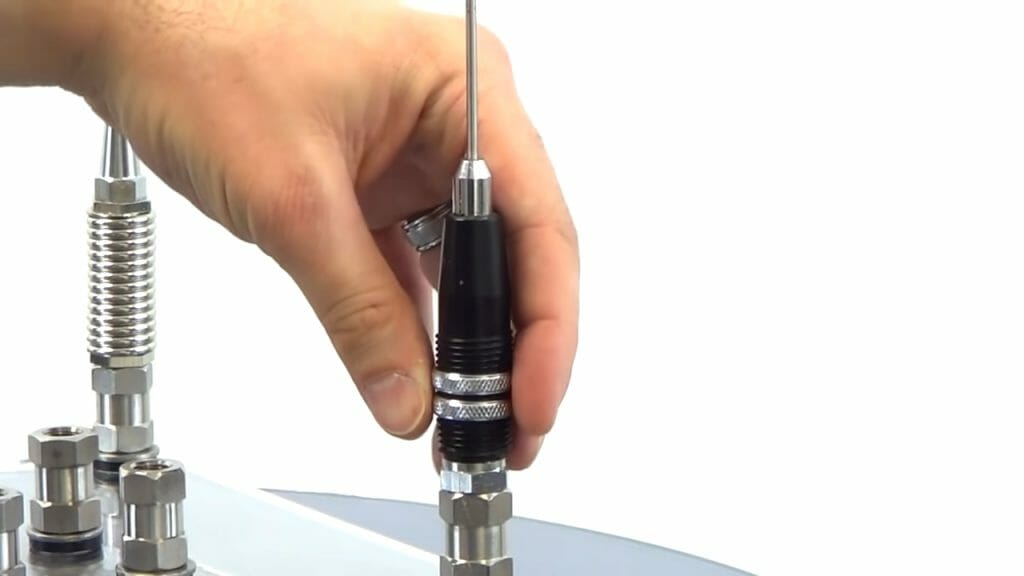
This is where the magic happens. Most CB antennas are adjustable. This usually involves loosening a set screw and sliding the antenna rod up or down. A tiny adjustment can make a huge difference. Transmit briefly after each adjustment and listen carefully. Are you noticing an improvement in sound quality? Is the signal getting stronger?
Think of it like tuning a guitar string. A tiny tweak can take you from out-of-tune to perfect harmony. Keep making small adjustments until you find the "sweet spot" where your transmitted audio sounds the clearest and strongest.
Step 4: Fine-Tune (Ear-Tune!)
This is the most important part! Ask another CB user (if you know one) to give you a signal report. How clear are you coming in? How strong is your signal? Their feedback is invaluable. If you don't know anyone else with a CB, try calling for a radio check on channel 19. Someone might be willing to help you out.
This is like asking a friend to listen to your guitar playing and tell you if it sounds good. Their ears will pick up things you might miss. Don't be afraid to ask for honest feedback!
Important Considerations
This method isn't perfect. It relies on your hearing and the cooperation of others. An SWR meter will always be more precise. However, if you're just starting out or don't want to invest in an SWR meter right away, this is a perfectly acceptable way to get your antenna reasonably tuned. And who knows, maybe you'll develop a super-human sense of radio frequency along the way! Just remember to transmit responsibly and be courteous to other users on the airwaves. Have fun!