
How To Transfer Money From Card To Bank Account
Ever stared at a plastic card, wondering if it held the key to unlocking a secret vault of digital gold? It kind of does! Let's talk about moving those funds to your trusty bank account.
The Magic of Digital Transfers
It's like having a tiny, invisible postal service dedicated solely to delivering your money. No stamps required!
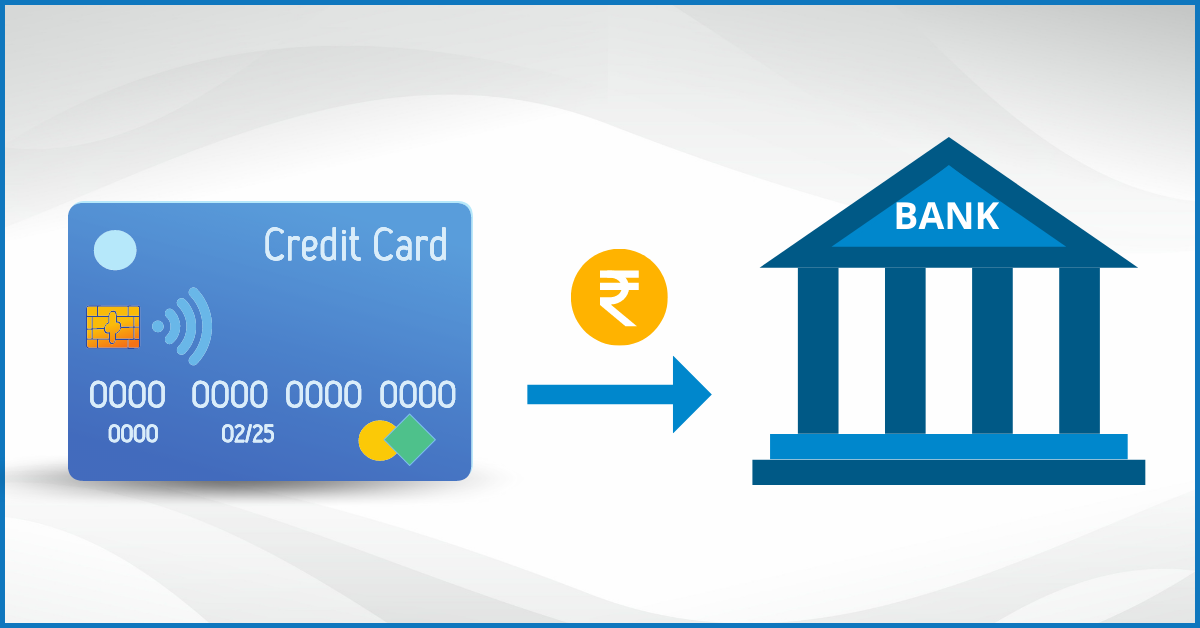
Think of your card as a portal. A portal to…well, your money! And your bank account? That's the happy recipient on the other side.
Must Read
Option 1: The Bank's Embrace
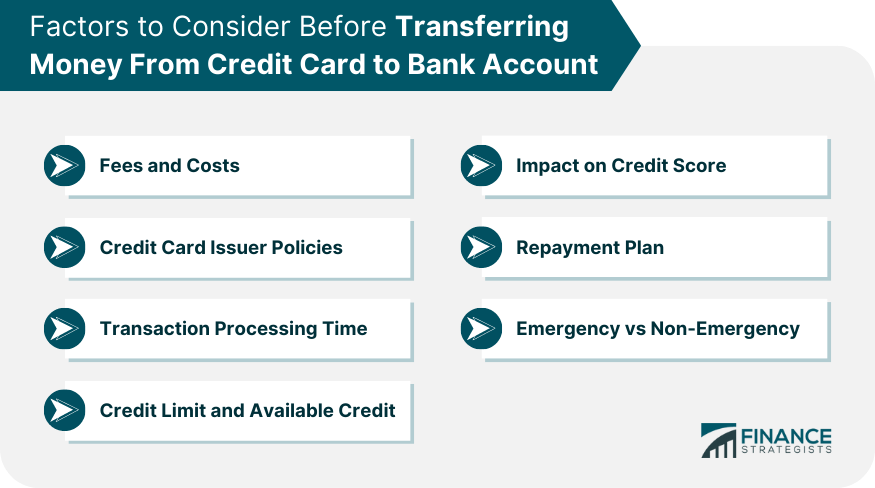
Your bank is often the easiest place to start. They're practically begging you to manage your money with them. Okay, maybe not begging, but they offer convenient options.
Most banks have websites or apps. Look for something like "Transfer Funds" or "Card Services." It's usually pretty obvious, even if the interface looks like it was designed in the early 2000s.
Just enter your card details (number, expiry date, the scary three-digit code on the back – treat that like a top-secret mission!), and the amount you want to move. Hit 'confirm', and voila! Your money embarks on its digital journey.
I once accidentally transferred $1000 instead of $100. The panic! Luckily, my bank was understanding. Double-check those numbers, folks!
Option 2: The Third-Party Shuffle
Feeling adventurous? There are apps and services designed specifically for moving money around. Think PayPal, Venmo, Cash App, the cool kids on the financial block.
You link your card to the app, then link your bank account. It’s like introducing two shy friends at a party. The app helps them connect.
These apps often have a social element. Imagine sending your grandma money with a celebratory emoji! Or paying your roommate for pizza with a GIF of a dancing cat. The possibilities are endless.
Option 3: The ATM Adventure
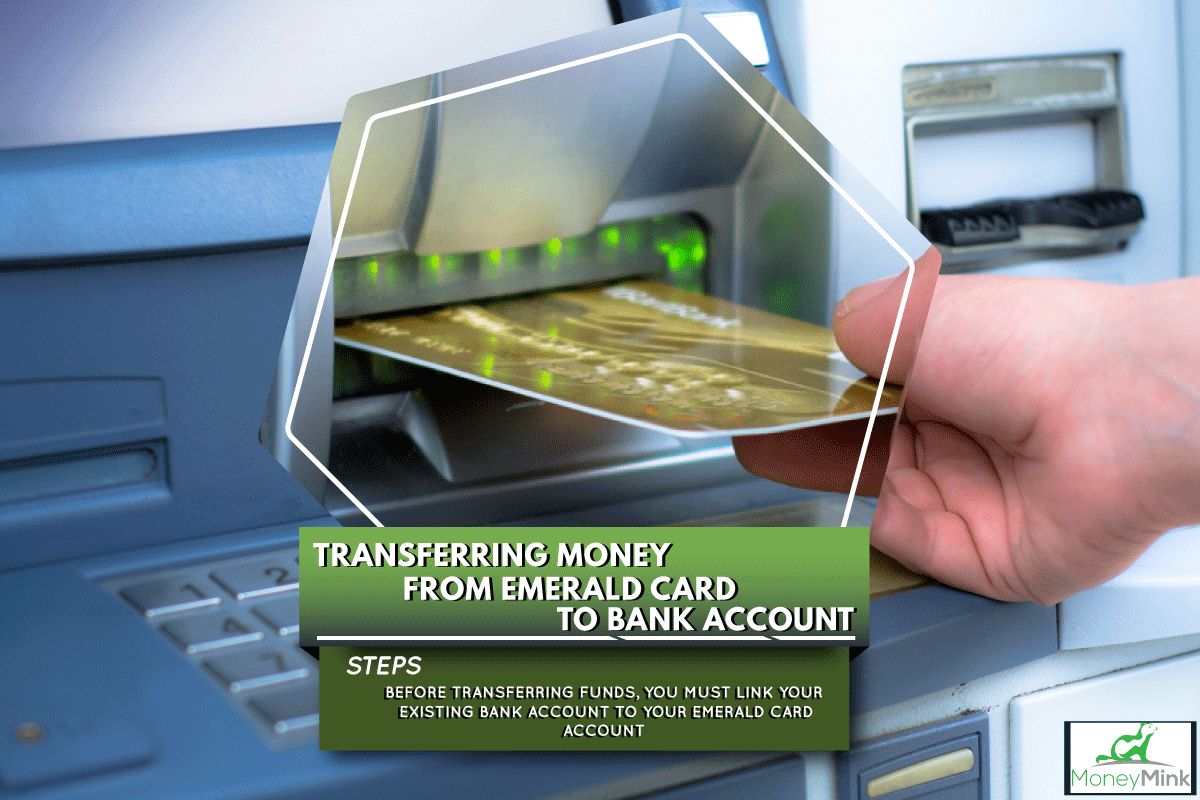
Believe it or not, some ATMs let you transfer money from your card to your bank account. It's like a retro-futuristic experience.
Insert your card, navigate the menus (prepare for a workout for your fingers), and look for a "Transfer" or "Deposit" option. Follow the prompts, and watch the magic happen. Or, you know, the money move.
It's kind of like using a payphone in 2024. A bit clunky, but strangely satisfying.
Important Things to Remember (Because Adulting)
Fees: Always check for fees. Some services charge for transfers, especially for instant ones. Nobody likes surprise fees!
Limits: There might be daily or weekly limits on how much you can transfer. Plan accordingly, especially if you're planning a massive money move.
Security: Protect your card details like they're the launch codes for a spaceship. Don't share them with anyone you don't trust (and maybe not even then!). Look for secure websites and apps with encryption (that little padlock icon is your friend).

Timing: Transfers aren't instantaneous. It usually takes a business day or two for the money to appear in your bank account. Patience, young Padawan.
The Emotional Rollercoaster of Money Transfers
There's a certain satisfaction in moving money from one place to another. It's like organizing your sock drawer, but with dollars.
That moment when the money finally appears in your bank account? Pure joy. Especially if it's a refund you've been waiting for.
And let's be honest, sometimes it's a bit bittersweet. Saying goodbye to those funds, even temporarily, can be tough. But think of it as an investment in your future happiness (or that new gadget you've been eyeing).
Troubleshooting: When Things Go Wrong
Sometimes, things don't go according to plan. The transfer fails. The money disappears into the digital ether. Don't panic!
First, double-check your card details and bank account information. Typos are the enemy.
Next, contact your bank or the service you used for the transfer. They're there to help (hopefully!). Be prepared to provide details about the transaction, like the date, time, and amount.
If all else fails, channel your inner detective and start investigating. Check your account statements, contact customer support, and don't give up until you find your missing money.
Card to Bank: A Modern Love Story
The relationship between your card and your bank account is a beautiful one. It's a story of convenience, efficiency, and the magic of modern technology.
So, the next time you transfer money from your card to your bank account, take a moment to appreciate the journey. It's a small act, but it's a testament to the incredible things we can do with a little plastic and a lot of digital infrastructure.
It's easier than writing a thank you note, so start transferring!
Beyond the Basics: Fun Facts and Trivia
Did you know that the first credit card was created in 1950? It was called the Diners Club card, and it was initially used for paying restaurant bills. Imagine explaining Bitcoin to someone from 1950!
The three-digit security code on the back of your card is called the CVV (Card Verification Value). It's designed to protect you from fraud. Keep it secret, keep it safe!
Some people believe that carrying a credit card with a high limit makes them feel richer. It's a psychological trick, but it can work (until the bill arrives!).
The Future of Money Transfers
The world of money transfers is constantly evolving. We're seeing new technologies emerge all the time, like blockchain and cryptocurrency.
Who knows what the future holds? Maybe we'll be able to teleport money directly from our brains to our bank accounts. Okay, maybe not. But it's fun to imagine!
One thing is for sure: the ability to transfer money quickly and easily will continue to be an essential part of our lives.
A Final Thought: Money and Happiness
While money isn't everything, it can certainly make life easier. Being able to manage your finances effectively is a valuable skill.
So, take the time to learn about money transfers and other financial tools. It's an investment in your future happiness and security.
Now go forth and conquer the world of digital finance! And maybe buy yourself a treat with all that transferred money. You deserve it!