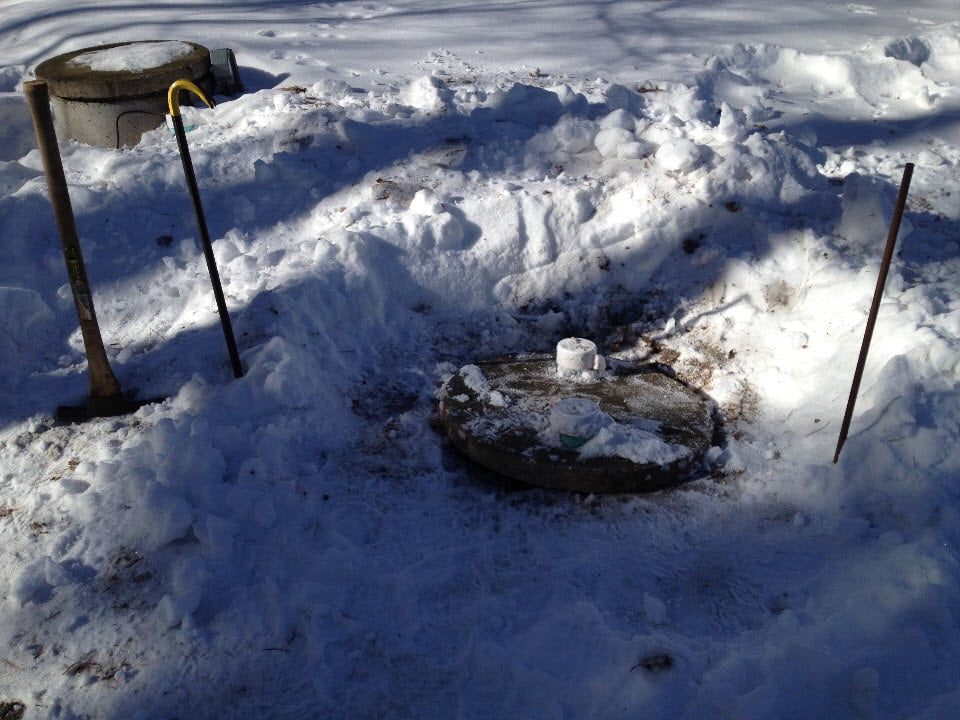
How To Thaw Out A Frozen Septic Tank
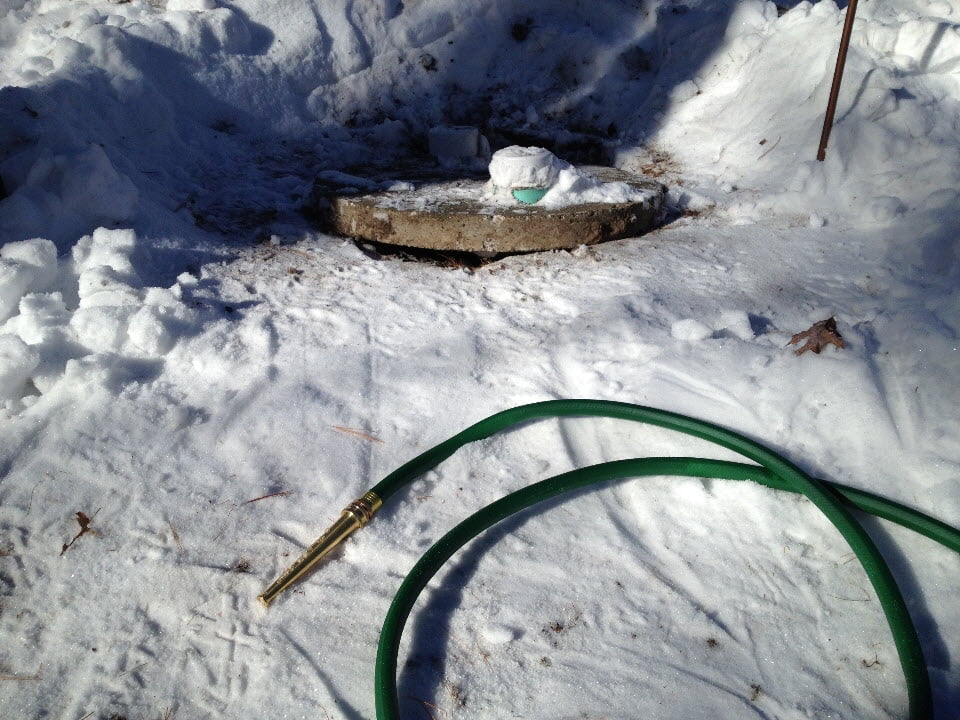
Okay, let's talk about something that probably isn't on your bingo card for "fun winter activities," but trust me, it's a fascinating bit of homeownership wisdom: thawing out a frozen septic tank. Sounds like a total nightmare, right? And, well, it can be. But if we put on our curious hats for a moment, there's something pretty intriguing about how nature, engineering, and a little human ingenuity collide when the mercury really drops.
Imagine this: it's the middle of winter, a proper deep freeze has gripped everything, and suddenly, things aren't quite... flowing... like they should. You flush, and... uh oh. Instead of disappearing, the water just sits there, looking back at you with an almost defiant stare. Or worse, it starts to gurgle menacingly, threatening to bring whatever you just tried to flush right back into your cozy bathroom. That's often the first sign that your trusty septic system, usually the silent workhorse beneath your yard, might have decided to take an unscheduled ice-cold nap.
Why does this even happen? And isn't it buried deep?
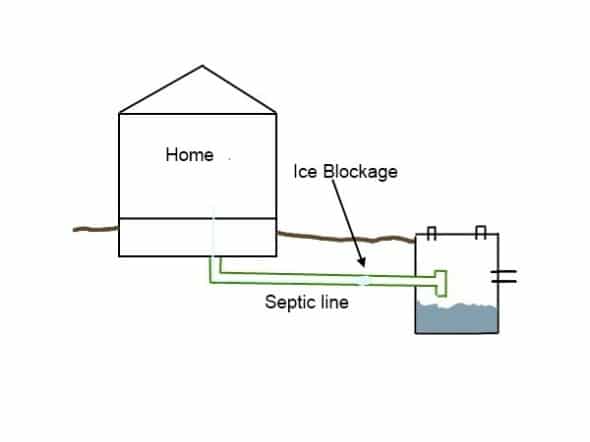
Good questions! You'd think that being buried several feet underground would protect it, right? And for the most part, it does. But sometimes, especially during prolonged periods of extreme cold with little snow cover (which acts as an insulator, who knew?!), the frost can penetrate deeper than usual. Or, more commonly, it’s not the main tank that freezes, but rather the pipes leading to and from it, or even the drain field itself. Think of it like a clogged artery, but with ice instead of cholesterol. The water in those pipes, usually moving steadily, just... stops. And then it freezes solid. Suddenly, your efficient wastewater system becomes a very inefficient, very cold, solid block.
Must Read
It’s like your house plumbing is having a serious "brain freeze," completely locking up operations. The system, designed for liquid flow, becomes a silent, frozen monument to winter's power. It's kind of wild to think about, isn't it?
So, what's a homeowner to do when their septic system turns into an ice sculpture?
First off, don't panic. And definitely, do not reach for the nearest torch or hazardous chemicals! We're not trying to create a backyard disaster movie here. Thawing a frozen septic system is less about brute force and more about patience, gentle persuasion, and a bit of detective work. It's like trying to coax a stubborn, frosty old bear out of hibernation – you want to be gentle, warm, and persistent.
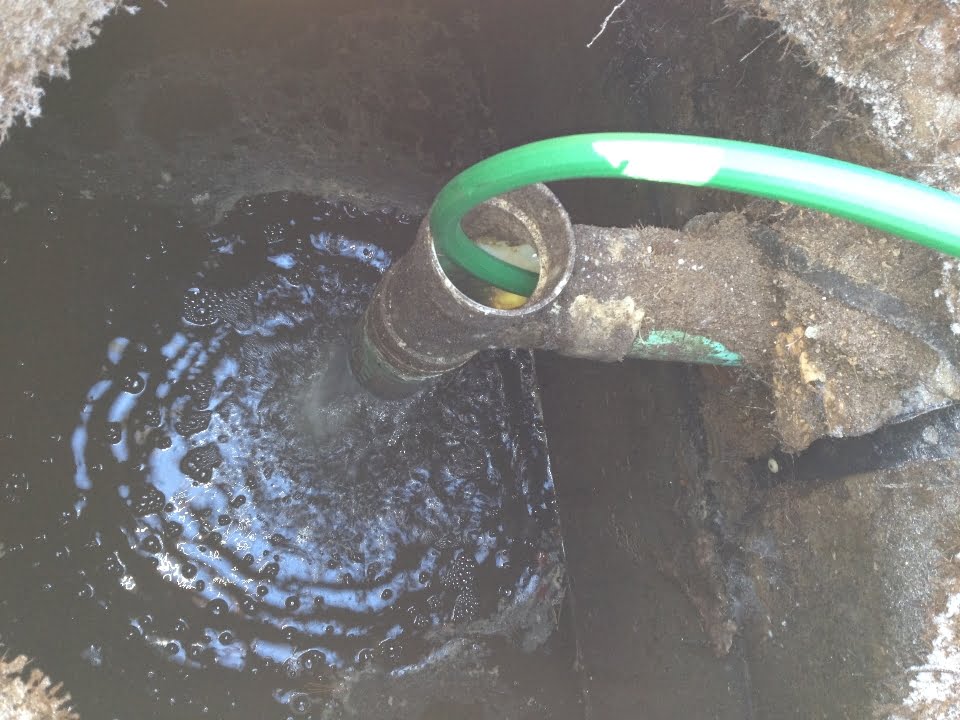
The core idea? Introduce warmth, slowly and safely. One of the most common spots for a freeze is the inlet pipe, where the wastewater from your house first enters the tank. Or, sometimes, the outlet pipe going to the drain field.
One clever approach involves using hot water. Not just pouring it down your toilet (that's unlikely to reach the actual freeze point effectively and just adds more water to the problem), but if you can safely access an inspection port or the lid of your tank, carefully introducing hot water directly into the frozen area can work wonders. Imagine giving your septic system a warm, comforting bath to loosen things up. It's a slow process, but it works by melting the ice layer by layer.

Another fascinating (and much safer than a flame thrower!) option that some folks use are heating cables or electric blankets. These aren't your typical cozy bedside blankets, of course. We're talking specially designed, waterproof, outdoor-rated versions that can be carefully placed around exposed pipes or even under the tank's lid (if accessible and safe) to radiate gentle, consistent warmth. It's like giving your frozen pipes a snug, heated sleeping bag. The goal isn't to blast them with heat, but to provide a steady, low-level warmth that encourages the ice to yield its grip.
Some people even use steam generators, carefully directed into access ports. It’s a bit like giving your septic system a spa treatment, with hot vapor gently loosening up the icy blockages. Again, this requires caution and often specialized equipment, but the idea is fundamentally sound: warmth, moisture, and time.
And here’s a cool tip that also helps prevent future freezes: insulation. If you can identify where the freeze happened, once it's thawed, covering that area with straw, hay, or even specialized insulation blankets can prevent a repeat performance. It’s like putting a winter coat on your septic system, helping it retain any natural ground warmth and keeping the frost at bay. It's not just about solving the immediate problem, but understanding the why and preventing it from happening again.
When to call in the pros?
Sometimes, despite your best detective work and gentle warming efforts, the ice plug is just too stubborn, too deep, or in an inaccessible spot. That's when you call in the septic experts. They have specialized equipment, like high-pressure hot water jetters or steam lances, that can safely and efficiently blast through even the most formidable ice dams. They’re the real-life ice-sculpting ninjas of the plumbing world.
So, while a frozen septic tank is definitely not ideal, it's pretty neat to think about the physics at play and the clever ways we've learned to tackle such a frosty challenge. It’s a reminder that even the most mundane parts of our homes can present fascinating puzzles, and solving them (or just understanding them) is part of the grand adventure of living in a world with changing seasons.