
How To Test My Carbon Monoxide Detector

Alright, let’s talk about that little gadget on your wall or ceiling, the one that looks a bit like a smoke detector’s quieter, more mysterious cousin: your Carbon Monoxide (CO) detector. Now, I know what you’re thinking. Anything with "monoxide" in the name sounds a bit… serious. Like a stern librarian or a tax audit. But trust me, testing this thing is about as serious as trying to find your missing sock after laundry day – usually a quick search, maybe a momentary head-scratch, and then success!
Think of your CO detector as your home's personal bodyguard against the invisible, odorless, and frankly, quite rude houseguest known as Carbon Monoxide. This guest doesn't knock, doesn't bring wine, and definitely doesn't help with the dishes. It just quietly slips in, and if you don't have a good bouncer (that's your detector!), things can get messy. But fear not! Keeping your bouncer in top shape is easier than parallel parking on a busy street.
The Great Button Push: Your Monthly Ritual
Most of us remember to check the expiry date on our milk (after a quick sniff, let's be honest) or maybe even give the car tires a once-over. But when was the last time you gave your CO detector a little nudge? Probably not recently, right? No judgment here! We've all been there. But here’s the good news: testing it is laughably simple.
Must Read
Step One: Locate the beast. Find your CO detector. It might be high up, nestled awkwardly near a light fixture, or perhaps it’s disguised as a particularly dusty hockey puck. Once you’ve spotted it, get a stool if you need to. Safety first, folks – we’re testing for safety, not trying to win an Olympic high jump medal.
Step Two: The magic button. You'll see a button on it, often labeled "Test" or "Test/Reset." This isn’t a self-destruct button, I promise. It’s more like a "poke the bear" button, in the nicest possible way. Give it a good, firm press and hold it for a few seconds. You might feel a little thrill, like you’re about to launch a rocket. (You're not.)
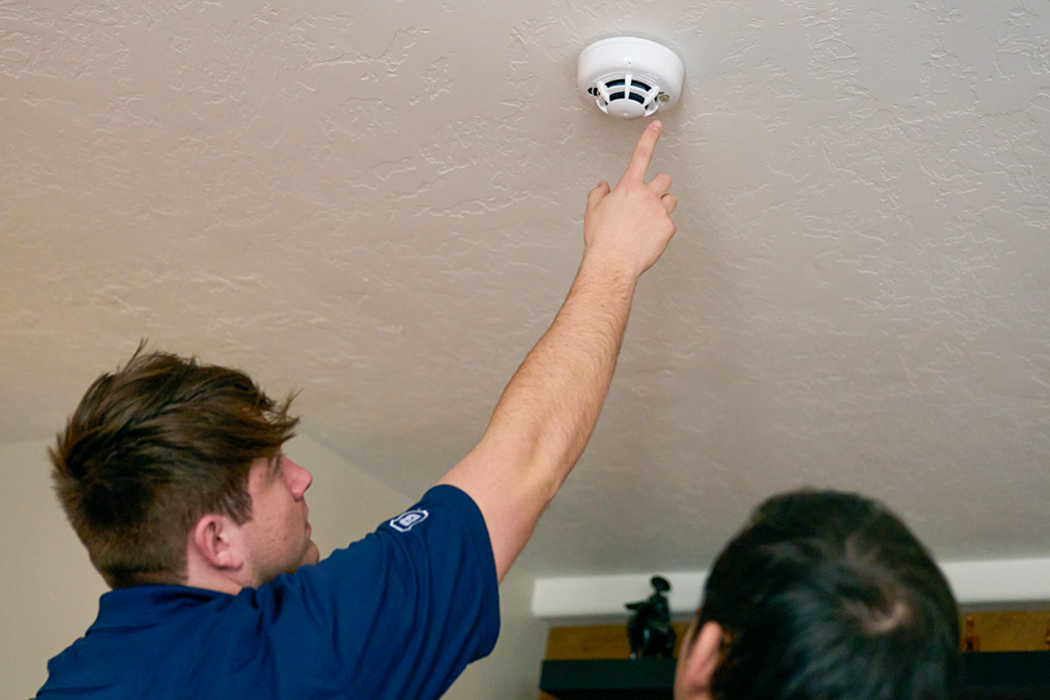
Step Three: Brace for the noise. If your detector is working, it's going to let out a series of ear-splitting beeps. Think of it as a grumpy teenager’s alarm clock on a Monday morning – loud, insistent, and impossible to ignore. This is completely normal! It's just letting you know its siren is in working order. Your dog might give you a confused look, and the cat might vanish under the sofa, but that’s a small price to pay for peace of mind.
Once the racket stops, you're good. Give yourself a pat on the back. You've just performed a vital safety check in less time than it takes to scroll through Instagram. Aim to do this once a month. Set a reminder on your phone, stick a note on the fridge, or tie a string around your finger. Whatever works for you, just like remembering to water that one houseplant you always forget about.

The Midnight Chirp: Battery Check Time!
Ah, the low battery chirp. It usually starts in the dead of night, doesn't it? That lonely, insistent "chirp… chirp… chirp" that sounds suspiciously like a cricket having an existential crisis. If your detector starts doing this, it’s not crying wolf; it’s saying, "Hey! I'm running on fumes here! A little juice, please?"
Changing the batteries is usually a breeze. Most detectors have a little compartment that slides open or a cover that twists off. Pop in some fresh batteries (check the manual for the correct type, usually AA or 9V), and voilà! Silence. Pure, glorious silence. And a detector that’s ready to stand guard once more. Treat yourself to a cookie; you've earned it.

"But What If It Doesn't Work?"
Okay, so you press the button, and… crickets. Not the charming "low battery" kind, but the actual sound of nothing happening. Or maybe it lets out a pathetic little whimper. Don't panic! It means your detector is either past its prime or just needs to be replaced. These things don't last forever, sadly. They have an expiry date, just like milk, or that forgotten jar of pickles in the back of your fridge.
Look for an expiry date on the back of your unit. Most CO detectors have a lifespan of about 5-7 years. If yours is older than your eldest child’s favorite stuffed animal, it’s time for a replacement. Think of it as upgrading your home security system without the complicated wiring. New detectors are relatively inexpensive and simple to install.
So there you have it. Testing your CO detector isn't a chore; it's a quick, easy, and essential step to keep your home safe and your mind at ease. It's about empowering yourself against that invisible houseguest. Go on, give that button a push. Your peace of mind (and possibly your family) will thank you.
