
How To Test Carbon Monoxide Poisoning

Ever wondered about the invisible ninja lurking in your home? No, not dust bunnies (though they're pretty sneaky too!). We're talking about carbon monoxide, or CO. It's a gas. A super tricky one. No smell. No color. No taste. But boy, can it cause trouble! Let's chat about CO, but in a totally chill, fun way. Because who said safety can't be a blast?
Wait, CO is fun?
Okay, "fun" might be a strong word. But isn't it strangely fascinating how something so potent can be utterly undetectable by our senses? It's like the ultimate invisible prankster, except the prank isn't funny at all. CO is the stuff of mystery novels, but happening in real life, sometimes in your own laundry room or garage. It’s the ultimate silent villain, which, let's be honest, is kind of intriguing from a safe distance!
Imagine a super spy with no discernible features. That's CO. It hides in plain sight, or rather, no sight at all. Learning how to spot its presence makes you feel like a total secret agent!
Must Read
The Silent Sneak: What's the Big Deal?
Here’s the quick lowdown without getting too gloomy. CO is a true party crasher in your bloodstream. It waltzes into your lungs and literally kicks oxygen off its binding sites in your red blood cells. Imagine a crowded bus. Oxygen has a seat. CO shows up, flexes its invisible muscles, and boom! Oxygen's standing, CO's chilling.
Your body needs oxygen like you need coffee on a Monday. Without it, things get... fuzzy. Headaches, dizziness, nausea. Eventually, really serious stuff. CO basically starves your cells of oxygen. Not cool, CO. Not cool at all.
How to Be a CO Detective (Without a Trench Coat)
So, how do we catch this invisible menace? Fear not, aspiring super-sleuth! You don't need a magnifying glass or a fancy fedora. You just need a few clever tools and a bit of know-how. Let's dive into the fun ways to outsmart CO!
Method 1: The Gadget Guru – CO Detectors!
These are your personal CO bodyguards. Little boxes of pure genius, constantly sniffing the air. Think of them as tiny, super-sensitive noses for things we can't smell. Better than any bloodhound, honestly. When they detect trouble, they let out an ear-splitting BEEP BEEP BEEP! It’s like a tiny robot yelling, "Danger, Will Robinson!"
Most home detectors use an electrochemical sensor. Fancy words, right? Basically, it's a tiny battery that reacts to CO, creating an electric current. More current, more CO. Then, alarm time! Some even use biomimetic sensors, mimicking how our blood reacts. Science! So cool.

Where to put them? Think bedrooms. CO often hits when you're snoozing. Also, near fuel-burning appliances like your furnace or water heater. A good rule of thumb is one on each level of your home, and especially outside sleeping areas. Don't forget the basement or garage if you park your car there.
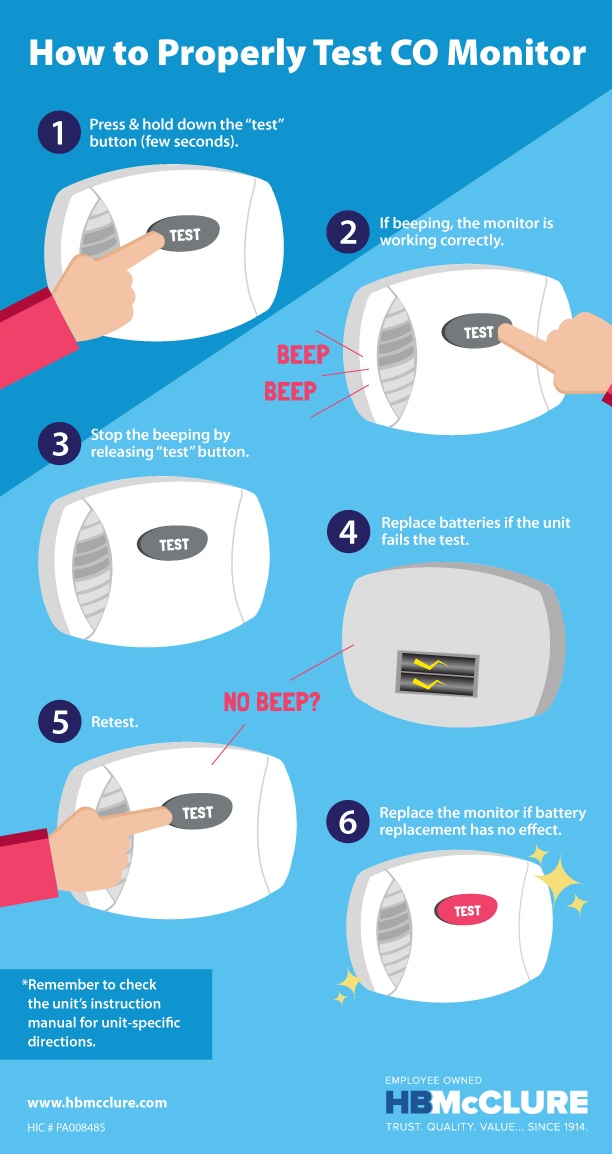
Pro tip: Check the "test" button weekly! It's like giving your bodyguard a quick pat on the back. Batteries die, gadgets fail. A little test ensures your tiny hero is ready for action.
Method 2: The Old School Sleuth – CO Indicator Cards!
These are the low-tech, but totally cool, alternative. Think of them as magic paper that changes color. They have a chemical spot that reacts to CO. No CO? Spot looks normal. CO present? Spot changes color! Usually from orange to black, or pink to red. It’s like a tiny, personal mood ring for your air quality!

They won't scream at you like an electronic detector, but they provide a visual warning. Perfect for camping, RVs, or if you're just a minimalist detective. They're portable, disposable, and surprisingly accurate for quick checks. A great backup or travel buddy. Just remember to check them often!
Method 3: The Pro Approach – Medical Testing (When Things Go Sideways)
Okay, this isn't the "fun" part, but it's super important to know. If you're feeling woozy, headachy, nauseous, or just plain weird – especially if others around you are too – get out into fresh air immediately and then get medical help! CO poisoning symptoms can often mimic the flu, which makes it even trickier.
Doctors can do a simple blood test. They're looking for your carboxyhemoglobin level. That's a fancy way of saying: "How much CO has hijacked your red blood cells?" A normal level is super low. If it's high, it means CO is having a dance party in your veins, and oxygen got left outside! This isn't for casual sniffing; it's when you suspect a real problem. Listen to your body and your loved ones!

Why Bother Being a CO Super-Sleuth?
So, why all this talk about invisible gas and clever gadgets? Because being informed is empowering! It turns you from a potential victim into a proactive protector. It's about peace of mind, knowing you've taken simple steps to keep your home safe. It's not about being paranoid; it's about being prepared.
Think of it like knowing how to bake a killer batch of cookies – it just makes life better and safer! Investing in a detector or knowing the signs is a small effort for a huge payoff: keeping you and your loved ones breathing easy and staying healthy.
Final Punchy Thought
So, go forth! Sniff (with a detector, please!), check, and be an awesome CO-aware human. Knowledge is power, especially when that power keeps you safe and sound. Stay curious, stay healthy, and keep those invisible ninjas at bay! Your lungs will thank you.