
How To Tell Which Smoke Detector Is Chirping
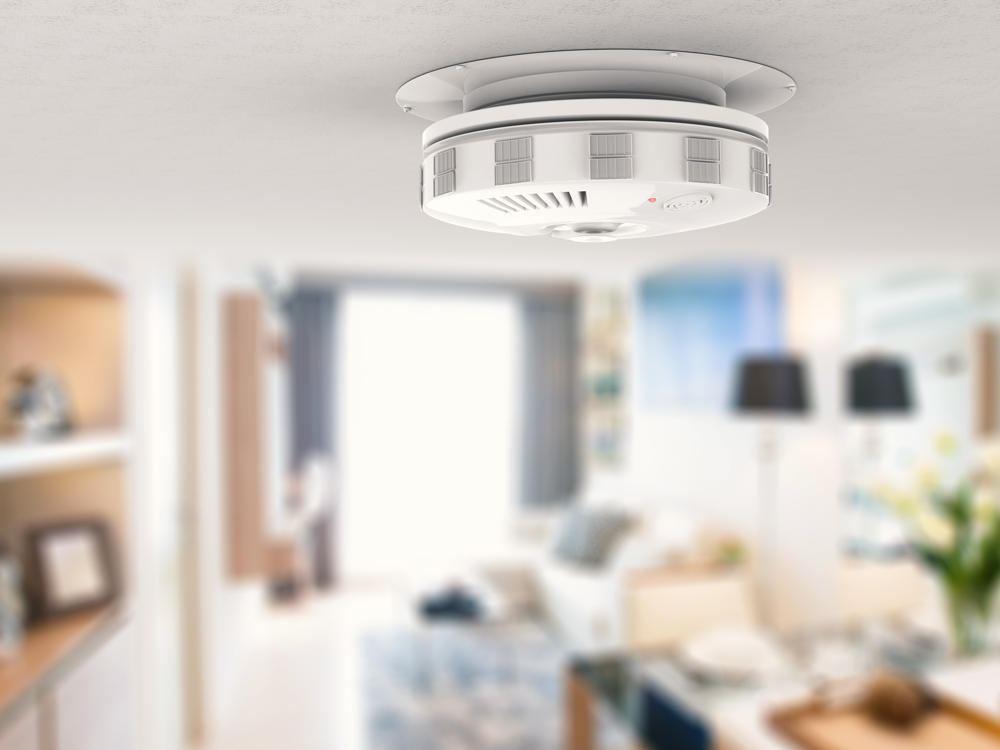
Ah, the dreaded smoke detector chirp. It’s the kind of sound that can turn a perfectly peaceful evening into a frantic episode of "Guess That Annoying Noise." One minute you're curled up on the couch, happily binging your favorite show, and the next, BEEP! A tiny, insistent, ear-splitting BEEP pierces the quiet, sending shivers down your spine and making you wonder if your house is slowly trying to communicate with you in Morse code. Sound familiar?
We’ve all been there. It’s like a tiny, invisible bird has decided to build a nest in your ceiling and is demanding attention. But unlike a cute bird, this one just wants to remind you its battery is on its last legs. The real head-scratcher, though, is figuring out which one of those silent sentinels has gone rogue. If you've got an open-plan living space or multiple detectors, it can feel like a high-stakes game of hide-and-seek with a very noisy opponent.
Why Bother Playing Detective? (Beyond Your Sanity)
You might be tempted to just pull the battery out of every single one until the noise stops, but trust me, there’s a better way. And more importantly, there's a reason to care beyond just preserving your sanity. These chirping little guardians are a big deal! They’re your home’s early warning system, silently standing guard while you sleep, cook, and generally live your best life. A chirping detector is like a sleepy superhero saying, "Hey! I'm still here, but I need a little juice!"
Must Read
Ignoring that chirp is like ignoring a toddler tugging your shirt – it's going to get louder and more insistent until you pay attention. And in this case, ignoring it means your house's guardian angel is taking a nap. So, let’s empower you to become the chirp whisperer your home deserves!
Method 1: The "Sonic Detective" Approach
This is where you channel your inner Sherlock Holmes. The first step is simple: listen carefully. I know, I know, it sounds obvious, but you’d be surprised how often we just react instead of actually tuning in. Try to notice the direction the sound is coming from. Walk around your house slowly, stopping in each room. Is it louder in the hallway? Quieter in the kitchen? Think of yourself as a highly trained sound engineer trying to locate the source of a rogue cymbal in an orchestra.

Here's a little trick: when you think you're getting close, put your ear up to the wall or ceiling near the suspected detector. The sound will be much clearer and more direct when you’re right next to the culprit. It's like trying to find which dog in the park is barking – you follow the loudest woof!
Method 2: The "Process of Elimination" (When They All Seem to Be Chanting)
Sometimes, especially in homes with interconnected smoke detectors, it feels like they’re all taking turns chirping, or maybe even ganging up on you! This is where a little systematic thinking comes in handy. If you have a two-story home, try isolating the noise to one floor first. Go upstairs and listen. Then go downstairs. This helps you halve your detective work immediately.

For those really tricky situations, grab a buddy! Have one person stand in a central location while the other moves around. When the chirper goes off, your buddy can point you in the general direction. It’s like a game of "hot or cold," but with less guessing and more safety.
Another helpful tip for interconnected systems (or if you’re just really stumped) is to look for a small, blinking LED light on the detectors. Many modern units have an indicator light that flashes when the battery is low or the unit itself needs attention. It's like a tiny, secret signal just for you! This is often a slower flash than the normal 'I'm alive' blink. If you see one blinking more insistently than the others, you’ve likely found your noisy neighbor.
Method 3: The "Power Play" (For the Really Stubborn Ones)
If you're still playing whack-a-mole with the chirps and you suspect an interconnected system, there's a more advanced move. But please, only do this if you're comfortable with your home's electrical panel and know how to safely turn off breakers. If not, call a professional! First, identify the breaker that powers your smoke detectors. It's often labeled "smoke detectors," "alarms," or simply the general lighting circuit. Flip it off. Wait a few minutes. Then, flip it back on.
The moment you restore power, the unit that caused the initial chirp often chirps immediately and distinctly louder as it "wakes up" and performs a self-test. This can be a dead giveaway. Just make sure to restore power quickly so your guardians aren't offline for too long!

You Found It! Now What?
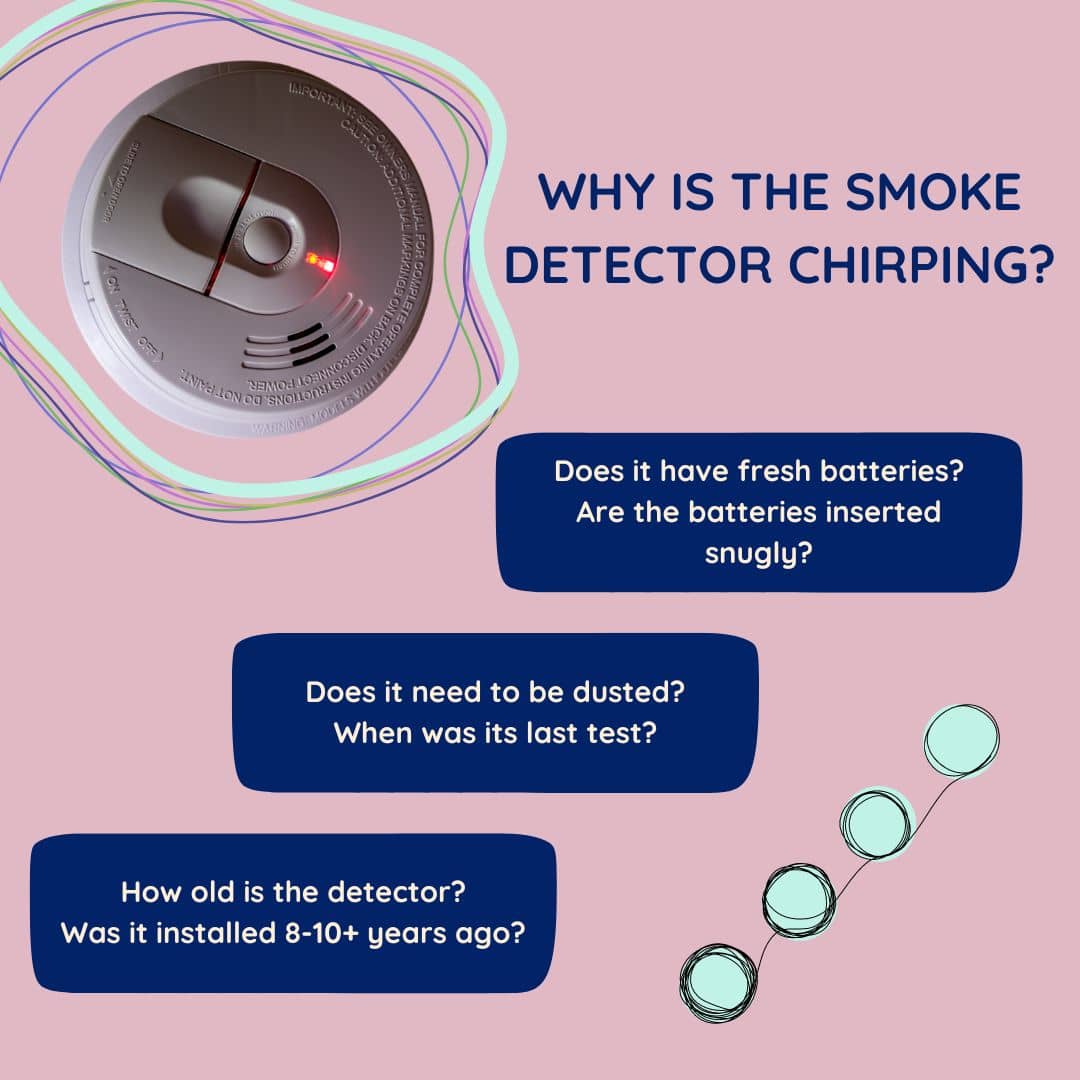
Once you’ve identified the chirping culprit, the fix is usually pretty simple: replace the battery. Most smoke detectors use a standard 9-volt battery. Keep a fresh one on hand specifically for this purpose. Make it a routine – maybe change them when you change your clocks for daylight saving time, or even better, every six months! Some newer detectors have a 10-year sealed battery – if that’s the one chirping, it means the whole unit has reached its end of life and needs to be replaced.
Yes, smoke detectors have a lifespan, usually around 8-10 years. If your chirper is older than your last car, it's time for a new one, not just a battery. Look for a manufacturing date on the back of the unit. It's like retiring a trusty old friend who's done their duty.
So, the next time that little chirp fills your home, don’t despair! Arm yourself with these tips, a fresh battery, and a little bit of patience. You'll not only silence the annoying noise but also ensure your home's vigilant protectors are ready for anything. Good job, detective!