
How To Tell Which Smoke Detector Has Low Battery
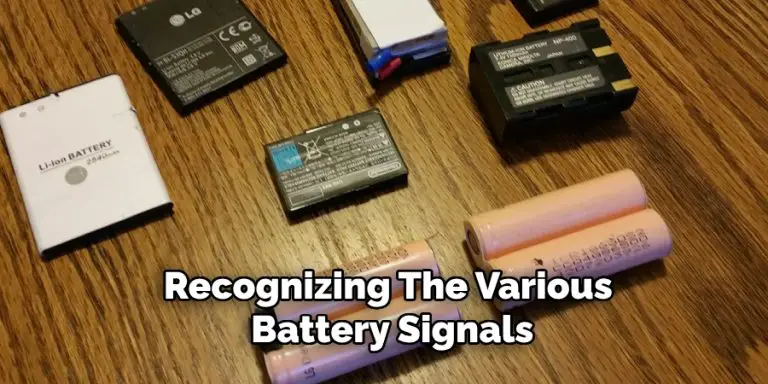
The night is quiet. Suddenly, a single, piercing chirp slices through the stillness. Your eyes snap open, heart pounding. It’s the dreaded sound, the harbinger of a battery in distress.
You know it's a smoke detector. That much is certain. But which one? The question hangs in the air, thick with sleep deprivation and a growing sense of dread. And so, the great, nocturnal mystery begins, pitting you against an invisible, sonic tormentor.
The Great Smoke Detector Whodunit
It’s always late, isn't it? That insistent beep seems to thrive in the darkest hours, just when you're drifting into dreamland. You listen intently, trying to pinpoint the origin.
Must Read
The sound seems to bounce off walls, echo down hallways, and generally play hide-and-seek with your sanity. You're convinced it's coming from the kitchen. No, wait, maybe the living room.
You creep out of bed, a stealthy ninja on a mission. Your head tilts this way and that, an internal radar searching for the culprit. Every smoke detector on the ceiling looks absolutely innocent.
They all just hang there, silently judging your lack of battery-changing foresight. This quest, dear reader, is a universal saga, a nocturnal adventure we all share. It's a true test of patience and auditory detective skills.
The Elusive Culprit
The sound comes again: chirp. It's faint, yet so incredibly loud, seemingly everywhere and nowhere all at once. You point an accusatory finger at the one near the stairs. "Is it you?" you whisper, feeling a little silly talking to a ceiling fixture. It offers no confession.
You might even try the "stare-down" method. You fix your gaze on each white disc, willing it to reveal its low-battery shame. Naturally, this method yields precisely zero results. They are masters of disguise, silent white sentinels mocking your confusion.
Perhaps you climb on a chair, pressing the "test" button on one, hoping to trigger a definitive answer. Instead, you get a full-blown, ear-splitting alarm, startling the cat, the dog, and your own sleepy senses. That, emphatically, was not the one.

This is where the frustration really sets in. It's such a tiny sound, barely a whisper, yet it holds such immense power over your peace of mind and your precious sleep. The chirp echoes in your head, a maddening, relentless rhythm.
You might even consider covering your ears or sleeping on the couch, just to escape the relentless auditory torment. But deep down, you know you can't surrender to the tyranny of a dying battery.
The Secret Weapon: The Pause
Here's the surprising truth, the whispered secret from veteran chirp-conquerors, the ancient wisdom passed down through generations of sleep-deprived individuals: it's all about the pause. That’s right, the silence between the chirps.
Each smoke detector, even those from the same batch, has its own unique, internal clock for these warnings. They don't chirp in perfect, synchronized unison. One might chirp every 30 seconds, another every 45, or even a full minute.
The trick, then, is to listen for the rhythm, the individual tempo. Wait patiently for the single, distinct chirp. Then, without moving a muscle, listen intently for the next one. This moment of quiet, this stretched-out silence, is your greatest ally.
It allows you to re-calibrate your internal sonar, to reset your focus. Don't chase the sound; let it come to you, allowing the silence to guide your next move.
The Stealthy Search Mission
When the next chirp sounds, immediately take a purposeful step towards what you think is the source. Stand absolutely still again. The closer you get to the actual culprit, the louder, the clearer, and the more undeniable that single chirp will become.
It will lose its echo, its phantom-like, ethereal quality. Instead, it will be a crisp, direct, and utterly undeniable sound emanating from one specific spot. This, my friends, is the proximity game, and you're winning.
Walk slowly, almost like a detective tracking a scent, or a cat stalking its prey. You're not necessarily looking for a blinking light (though some newer, fancier models do have them). You're listening purely for the raw, unadulterated chirp itself, feeling its vibration closer.
Imagine yourself as Sherlock Holmes, meticulously gathering auditory clues, eliminating suspects with each precise step. Each measured movement brings you closer to solving the mystery, closer to the sweet promise of silence.
You might even cup your hand around your ear, enhancing your listening capabilities, a true acoustic investigator. The sound becomes less of a general annoyance and more of a specific target.
The "Flashlight Confirmation" (Optional, but helpful!)
Once you're fairly certain you've narrowed it down to one or two detectors, grab a flashlight. Shine it directly on each suspect, giving them the third degree. Many smoke detectors have a small, almost invisible LED light.

This tiny light usually blinks every 30-60 seconds when the battery is good and healthy. But for a low battery, some models will give a more rapid flash, a slightly different pattern, or even a unique glow just before or right after the tell-tale chirp.
Look for that tiny, tell-tale flash, that subtle change in its silent communication. It’s a visual confirmation to go with your auditory evidence, a clear signal from the device itself. Sometimes, the low-battery indicator is a faint glow or a distinct, irregular flash pattern, different from its normal, reassuring blink.
This is your final piece of evidence, sealing the fate of the chirping villain. You've found the offender, caught red-handed (or rather, white-cased) in the act of battery depletion!
The Moment of Triumph
With a triumphant grin and a sense of profound relief, you reach for a sturdy step stool. You've located the exact device, the one that has been holding your sleep and sanity hostage. It's usually the one in the most inconvenient spot, naturally, perhaps right above the tallest bookshelf.
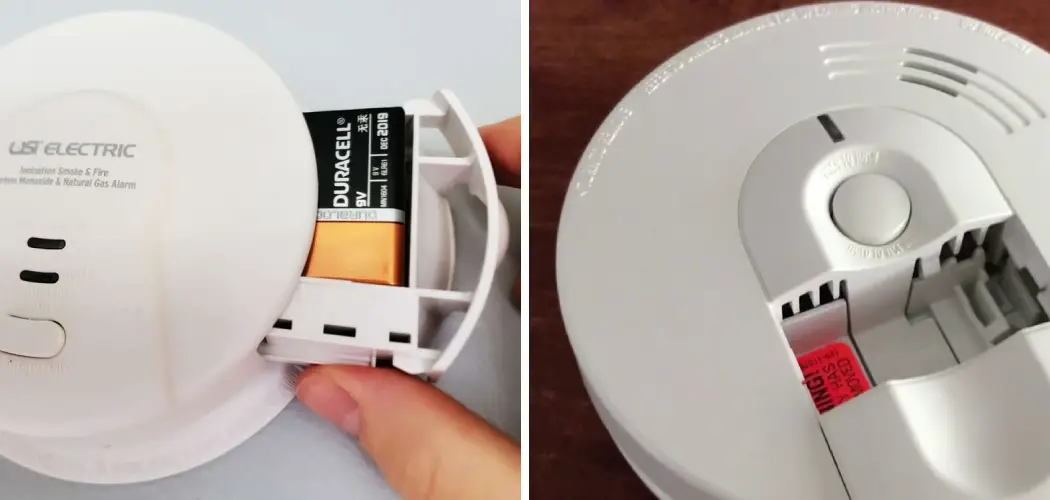
You twist it off its mount with a satisfying click, retrieve the fresh 9-volt battery (because who doesn't keep a secret stash for these specific emergencies?), and make the swap. The satisfaction is immense, a wave of calm washing over you.
The silence that follows is not just the mere absence of sound; it's the profound, blessed peace of a battle unequivocally won. You, the intrepid detective, the brave battery-swapper, have restored harmony and quiet to your home.

The quiet returns, deeper and more appreciated than before, a luxurious blanket of stillness. It’s not just a battery change; it’s a restoration of order, a small victory in the grand scheme of household maintenance.
Ah, the sweet symphony of nothing.
More Than Just a Beep
This little chore, this initially annoying chirp, is so much more than just a nuisance. It's a tiny, unheralded guardian asking for a bit of attention. These devices, hanging so stoically on our ceilings, are truly silent heroes.
They stand watch day and night, year after year, ready to alert us to danger, even when we're sound asleep. A low battery chirp is their polite, insistent way of saying, "Hey, I'm still here, I'm still on duty, but I need a little juice to keep protecting you and your loved ones!"
So next time you hear that familiar, piercing sound, don't just groan and bury your head under the pillow. Embrace the challenge. Become the Chirp Whisperer, the seeker of ultimate silence. It’s an unlikely adventure, right in your own home.
It's a shared human experience, a relatable rite of passage for every homeowner and renter, a little test of our domestic heroism. And the quiet afterward? Absolutely priceless.
Remember, a working smoke detector is a happy smoke detector, diligently standing guard. And a happy smoke detector means a safer, more peaceful home for everyone. This little mission, though momentarily annoying, reminds us of their vital, unwavering role.
So go forth, conquer the chirp, and reclaim your peace. You've earned it.