
How To Tell When Your Septic Tank Needs Emptying

Let's talk about something that’s often out of sight, out of mind, but incredibly important for your home: your septic tank. Now, before you groan, hear us out! Thinking about your septic system might not sound like the most thrilling weekend activity. But understanding it? That’s a real homeowner superpower. It’s like being a detective, solving a quiet mystery happening right under your nose... or rather, under your lawn!
Imagine your home as a living, breathing entity. Your septic tank is a vital part of its digestive system. And just like any good system, it needs a little TLC now and then. Knowing when your tank is getting full isn't just about avoiding a messy disaster; it's about being proactive, smart, and a truly attentive homeowner. Plus, catching the signs early can save you a whole lot of headache, and a lot of money, down the line. It's truly a skill worth mastering!
The First Clues: Slow and Gurgly Signals
Our first set of clues often comes from inside the house. Have you noticed your toilet flushing a bit... lazily? Like it's taking its sweet time, perhaps even needing a second try? Or maybe the water in your shower and sinks is draining slower than usual, lingering a moment too long? These aren't just minor annoyances; they're often the first whispered warnings from your septic system.
Must Read
"A slow drain isn't always just a clog. Sometimes, it's your septic tank saying, 'I'm getting full!'"
Another tell-tale sign is the sound. Listen closely after you flush. Do you hear unusual gurgling noises coming from the drains, especially those not directly connected to the toilet? It's like your pipes are trying to communicate, struggling to push water through a system that's reaching its capacity. These subtle sounds are easy to miss, but once you start listening, you'll be amazed at how clearly your home can speak to you.
Follow Your Nose: The Odor Mystery
This clue is perhaps the most obvious, and often the least pleasant. If your septic tank is overdue for emptying, you might start to notice some rather... unpleasant odors. We're talking about that distinct, unmistakable smell of sewage, both inside and outside your home.
Inside, the smells might waft up from drains or even permeate the bathroom air. Outside, take a walk around your yard, especially near the area where your septic tank is located, or over your drain field. If you catch a whiff of something decidedly not fresh, your nose is telling you something important. It’s your home's way of sending out an urgent, aromatic distress signal. Don't ignore it!

Nature's Green Signal: The Lush Lawn Clue
Here's a clue that's surprisingly beautiful, but still a warning! Take a look at your lawn. Do you have an unusually lush, vibrant, and extra green patch of grass growing specifically over your drain field or septic tank area? While a healthy lawn is usually a good thing, an isolated patch of super-green grass can actually be a sign of trouble.
Why? Because a full or failing septic tank can allow excess wastewater to reach the surface, essentially "fertilizing" that specific area of your lawn. It’s a bit like your septic system accidentally creating its own little garden. So, if you spot a patch of grass that looks suspiciously healthier and greener than the rest, take note. It’s a beautiful beacon signalling potential issues below.

Puddles and Backups: The Urgent Alerts
These signs are usually more advanced warnings, indicating a more urgent need for attention. If you see standing water, damp spots, or even small puddles forming on your lawn, particularly over the drain field or near the tank access lid, that's a serious red flag. This means effluent is escaping the system and rising to the surface, which is definitely not what you want.
And then there's the ultimate, undeniable sign: a sewage backup. This is when wastewater backs up into your sinks, bathtubs, or toilets. If this happens, it means your septic tank is not just full; it's overflowing, and the system can no longer handle any more waste. This is the moment when your inner detective needs to call in the professionals immediately. It’s the septic tank equivalent of a full-blown emergency!

Becoming the Septic Detective
So, how do you become this amazing septic detective? It's all about observation. Pay attention to the little things. Listen to your drains, take a stroll around your yard, and trust your senses. Make it a regular habit, perhaps once every few months, to do a quick "septic check."
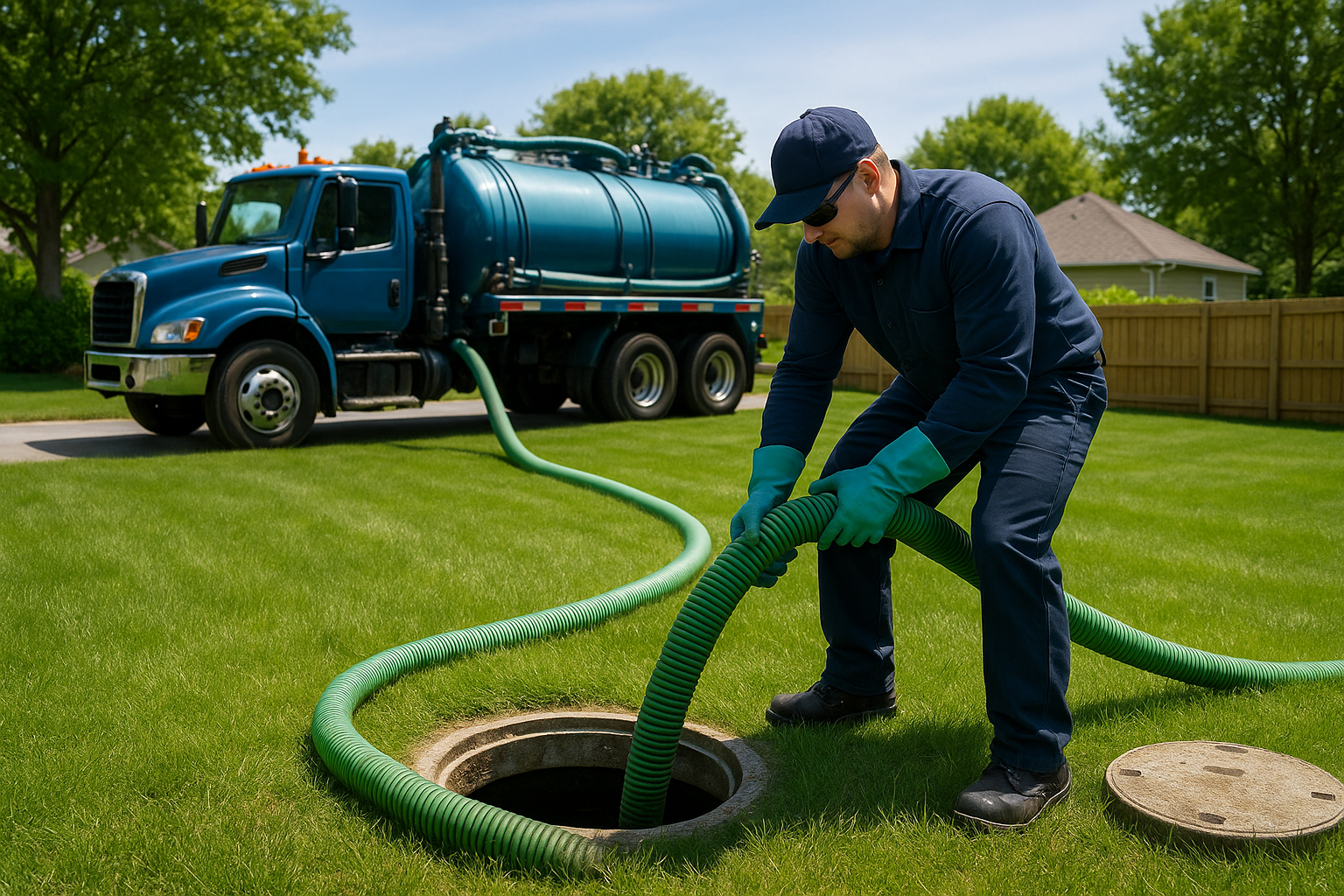
Understanding these signs empowers you. It turns a potentially dreaded home maintenance task into an interesting challenge, a way to stay connected with your home's health. You don't need fancy tools; just your eyes, ears, and nose. And when you do spot a sign, you’ll know exactly what it means and when to call in the experts for a pump-out.
Don't let your septic tank be an unseen, unappreciated part of your home. Give it the attention it deserves! By learning to read its subtle (and sometimes not-so-subtle) signals, you’re not just maintaining a system; you’re being a truly responsible, incredibly clever homeowner. So, next time you hear a gurgle or spot a suspiciously green patch, remember: your home is talking to you. Are you listening?