
How To Tell What Type Of Battery I Have
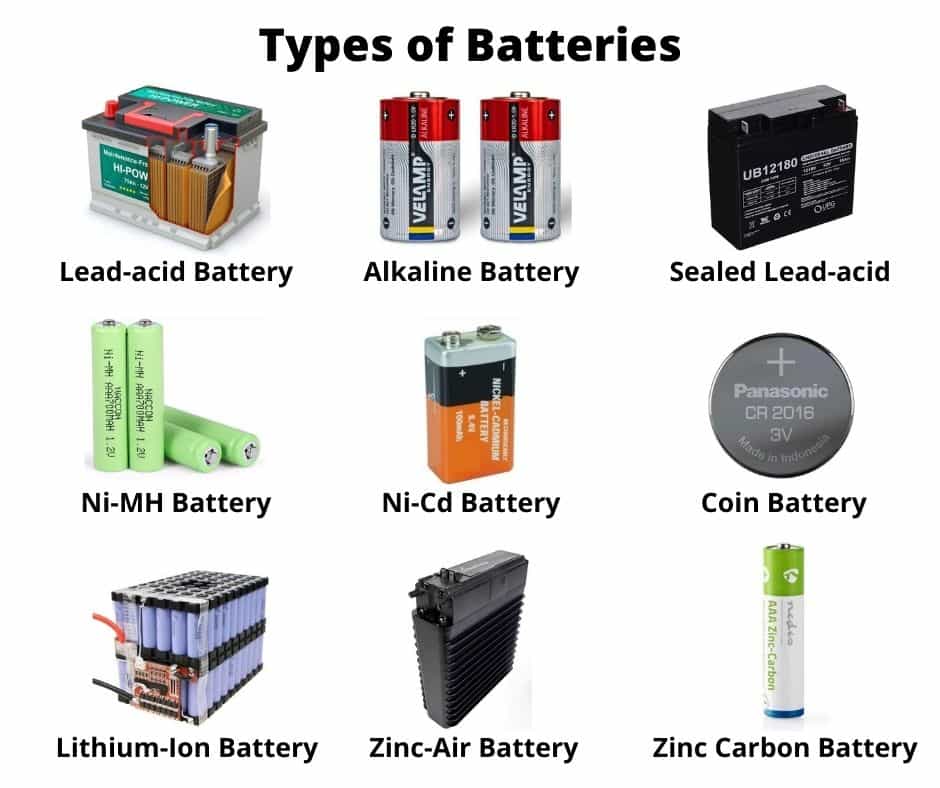
Ever stared blankly at a dead gadget, clutching a handful of random batteries, and thought, "Which one of you tiny power nuggets is the chosen one?!" You're not alone! It's a common mystery, like trying to figure out which sock disappeared in the dryer. But fear not, intrepid power-seeker! We're about to embark on a thrilling, super-easy quest to become a true battery whisperer. No science degrees required, just a keen eye and a dash of enthusiasm!
The Usual Suspects: Everyday Cylinders
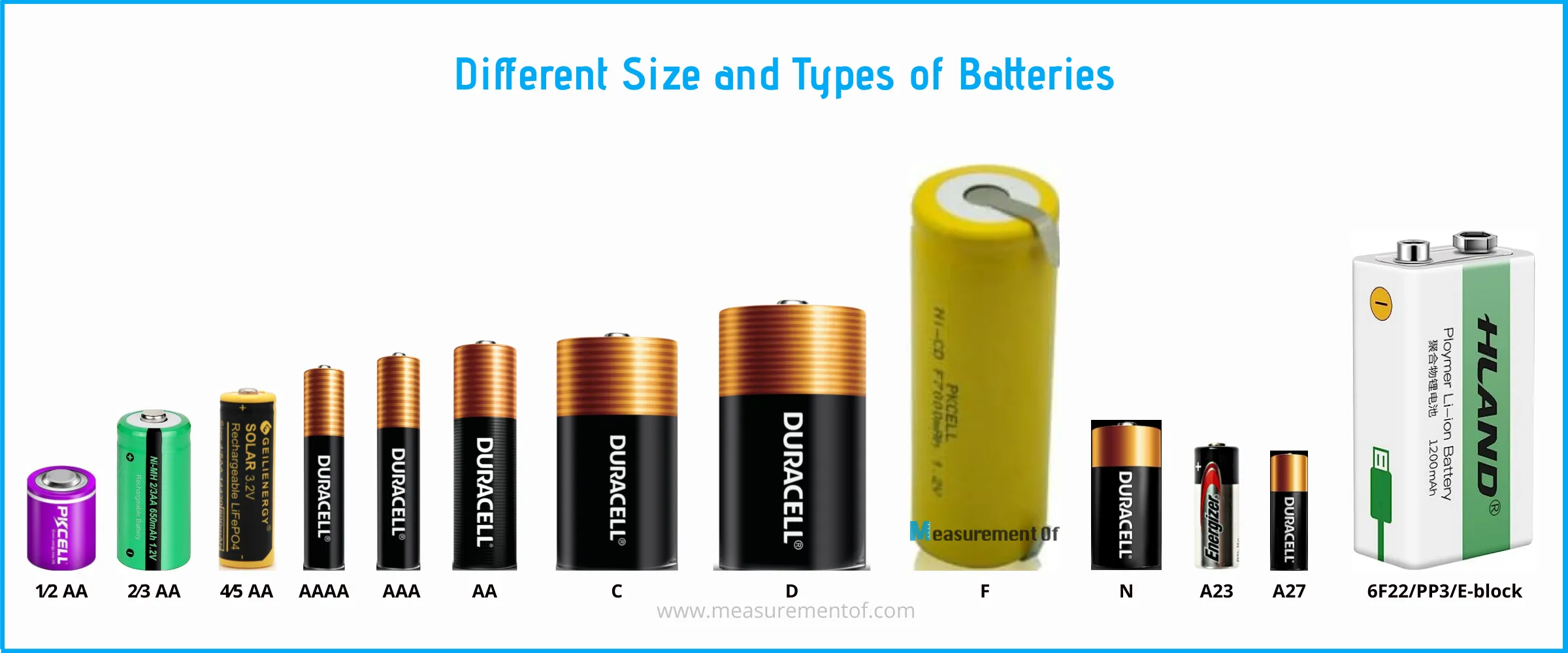
These are the rockstars of the battery world, the ones you probably have rolling around in a drawer right now. They look like mini soda cans, just in different sizes.
The A-Team: AA and AAA
First up, the legendary AA battery! This is the MVP, the workhorse, the one that powers your TV remote, your wireless mouse, and probably half your kids' toys. It's the Goldilocks of batteries – not too big, not too small, just right.
Must Read
Then there's its sleek, slender sibling, the AAA battery. Think smaller remotes, tiny flashlights, and those delicate fairy lights. It's like the AA battery went on a very successful diet.
"If it's cylindrical and fits snugly in your palm, you're probably looking at an AA or AAA. They usually proudly declare their name on their side, often alongside 'Alkaline' or 'Rechargeable (NiMH)'."
The Hefty Heroes: C and D
Moving up the size chart, we hit the heavyweights: the C battery and the mighty D battery. These are the bodybuilders of the cylindrical battery world. You'll find them in bigger flashlights, boomboxes (if you're feeling retro!), and certain robust toys. The D battery is noticeably chunkier and taller than its C cousin. If you need serious, long-lasting power for something substantial, these are your go-to guys.

The Chunky Charmer: 9-Volt
Ah, the 9-Volt battery! This one is unmistakable. It’s like the rectangular brick house of batteries, with two distinct nubs (one positive, one negative) on top. You won’t confuse this little powerhouse with its cylindrical cousins.
Where do these distinctive dynamos hang out? Mostly in your smoke detectors (it's always good to check those!), guitar pedals, and sometimes in walkie-talkies. When you pick one up, you immediately know it's something special. Look for the bold 9V proudly stamped on its side – it’s not shy about its identity!
The Tiny Titans: Coin and Button Cells
These are the minimalist marvels, flat, round, and shiny, like tiny metallic candies (but please don't eat them!). They come in various diameters and thicknesses, and they're crucial for keeping our smallest gadgets humming.
You'll spot coin cell batteries, also known as button cell batteries, in watches, car key fobs, small medical devices (like hearing aids), and even some toys that chirp or blink. Their names are a little more technical, often starting with "CR" (like CR2032 or CR2016) or "LR" (like LR44). These numbers signify their size, so make sure to match them perfectly! They're usually Lithium-based, offering long life in tiny packages.

The Integrated Engines: Laptop and Phone Batteries
Now, these are a different breed. The batteries in your smartphone, laptop, or tablet are usually hidden away inside the device. They’re built-in power plants, not meant to be popped out and swapped like a TV remote battery.
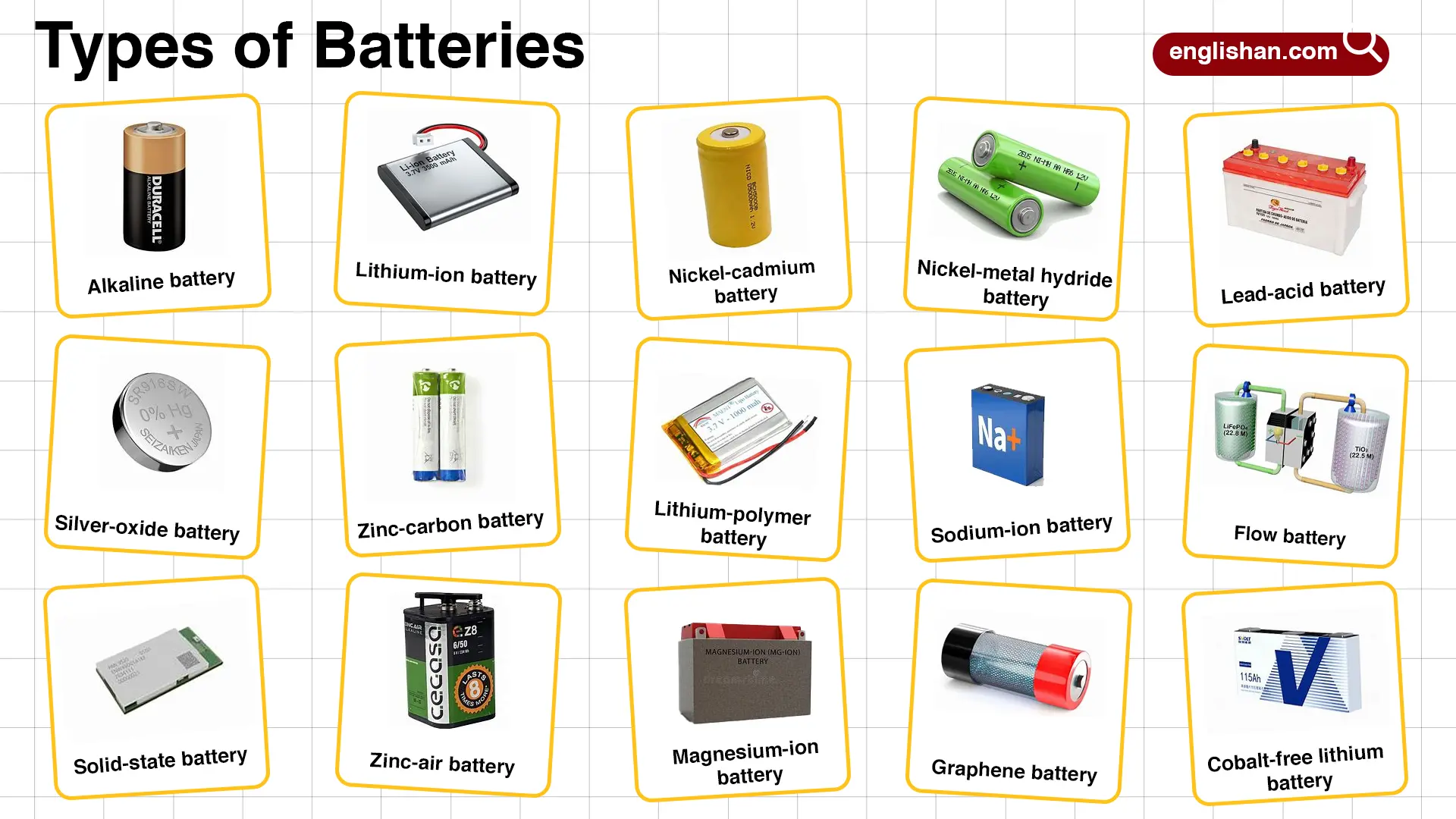
If you have a newer device, you might not even see it. If your device has a removable back, you might see a flat, rectangular pack. But here’s the golden rule: don’t try to open or mess with these unless you really know what you’re doing! They’re typically Lithium-ion (Li-ion), and they require a bit more respect. To identify them, you’ll usually find information printed right on the battery itself (if it’s removable) or within your device’s settings menu.
The Beast Under the Hood: Car Batteries
Okay, this one might seem obvious, but we can't ignore the granddaddy of personal power. A car battery is a massive, heavy, rectangular block usually found under the hood of your vehicle. It's designed to provide a huge jolt to start your engine and power your car's electrical system.
"If you need two hands (and maybe a strong friend) to lift it, and it lives in an engine bay, congratulations – you've found a car battery! This is definitely one for the automotive experts, not your average remote control."
Your Superpower: Reading the Label!
Here's the ultimate secret decoder ring: the battery isn't trying to hide its identity! Every single battery, from the tiniest button cell to the chunkiest D-cell, proudly displays its type right on its wrapper or casing.
- Look for the Letters and Numbers: Is it an AA? A CR2032? A bold 9V? They'll tell you!
- Check the Chemistry: Does it say Alkaline? Lithium? NiMH (Nickel-Metal Hydride)? This tells you a lot about its power and whether it's rechargeable.
- Voltage (V): Most everyday batteries are 1.5V (AA, AAA, C, D), while 9V batteries are, well, 9V! Coin cells often show 3V.
So next time a device goes kaput, don't panic! Grab the offending battery, give it a good squint, and you'll quickly become a battery-identifying wizard. You've got this! And remember, always dispose of your old batteries responsibly – our planet will thank you. Now go forth and conquer those power needs!