
How To Tell If Your Septic Tank Is Full

Alright, settle in, grab a coffee, because we need to talk about something that nobody ever wants to talk about: your septic tank. Yes, that mysterious, subterranean giant that silently handles all of your household's… well, let's just say "outgoing" communications. It's not glamorous, it's certainly not a dinner party topic, but understanding when it's giving you the stink eye (literally) can save you a whole lot of headache, heartache, and even worse, back-flow.
Most of us, bless our blissfully ignorant hearts, treat our septic tanks like a set-it-and-forget-it appliance, like a crock-pot for... um, you know. But unlike a crock-pot, ignoring it won't just result in a burnt meal; it could lead to a very unscheduled, very aromatic, and very expensive home renovation. So, how do you tell if your underground hero is crying uncle?
The Slow-Motion Apocalypse: Your Drains are Protesting
This is probably the most common, and often the first, sign that your septic system is throwing a silent tantrum. You're showering, and suddenly you're standing in a small pond. Or you flush the toilet, and it looks like it's taking a personal vacation, slowly, reluctantly, gurgle, gurgle, making its way down. Your kitchen sink might start taking longer to drain after doing the dishes.
Must Read
Initially, you might blame a rogue hairball or a stubborn crumb, but if all your drains start moving slower than a sloth on a Monday morning, it's time to pay attention. This isn't just an inconvenience; it's your septic tank saying, "Hey, I'm full! There's no room at the inn for your wastewater!" If ignored, these slow drains can escalate into full-blown backups. And trust me, nobody wants that kind of "surprise" making an appearance in their shower or bathtub. The horror!
The Gurgle Monster Under Your House
Ever hear strange, almost melodic, gurgling sounds coming from your pipes, especially after flushing the toilet or draining a sink? It's not a friendly ghost trying to communicate, nor is it your house settling. It's often another early warning sign that your septic tank is getting too full for its own good. This gurgling is usually caused by air being trapped and displaced as water struggles to find its way through an already packed system.
Imagine trying to drink a really thick milkshake through a tiny straw. Now imagine that milkshake is… well, you get the picture. The sound is the system trying desperately to clear a path. Think of it as your house's internal organs making indigestion noises. It’s a subtle cue, but one worth noting, because subtle today could be catastrophic tomorrow.
Your Lawn's Unexpected Glow-Up: The Lush Green Patch
Now, this one's a bit of a trickster. You might walk outside and think, "Wow, my grass is looking particularly vibrant right here!" You'll see a spot on your lawn that's suddenly greener, thicker, and lusher than the rest. It's like Mother Nature decided to use a special, super-charged fertilizer in one specific area.

And she did! Except the "fertilizer" is actually nutrient-rich effluent (a nice word for wastewater) that’s seeping out of your overfilled septic tank or failing drain field. It's a sign that the ground beneath is getting more moisture and "nutrients" than it should be. While it might look like a mini oasis, it’s actually a glaring red flag. Your lawn isn't just thriving; it's thriving on something you don't want it thriving on!
The Odor That Precedes You: Unmistakable Smells
Okay, this one is probably the least subtle. If you start noticing a persistent, foul odor – like rotten eggs, sewage, or just generally "bad" – either around your septic tank area, your drain field, or even inside your house, it’s a massive warning sign. This isn't just a coincidence; it's your septic tank's distress signal, broadcast in the most pungent way possible.
These odors are caused by hydrogen sulfide and other gases escaping from an overwhelmed system. Sometimes, a P-trap can dry out, allowing sewer gas in, but if the smell is outside, or if it's accompanied by other symptoms, do not ignore it. Your nose knows. And when your nose tells you your yard smells like a public restroom on a hot summer day, it’s time to call in the cavalry.
Puddles of Peril: Standing Water Over the Drain Field
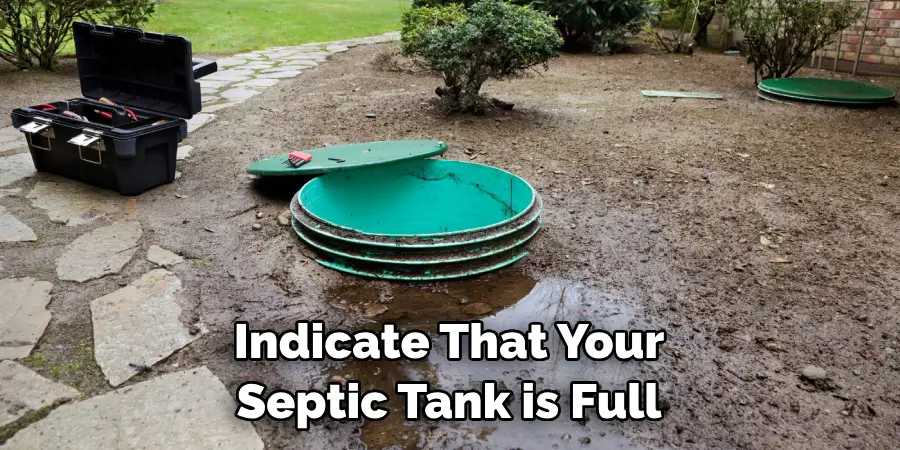
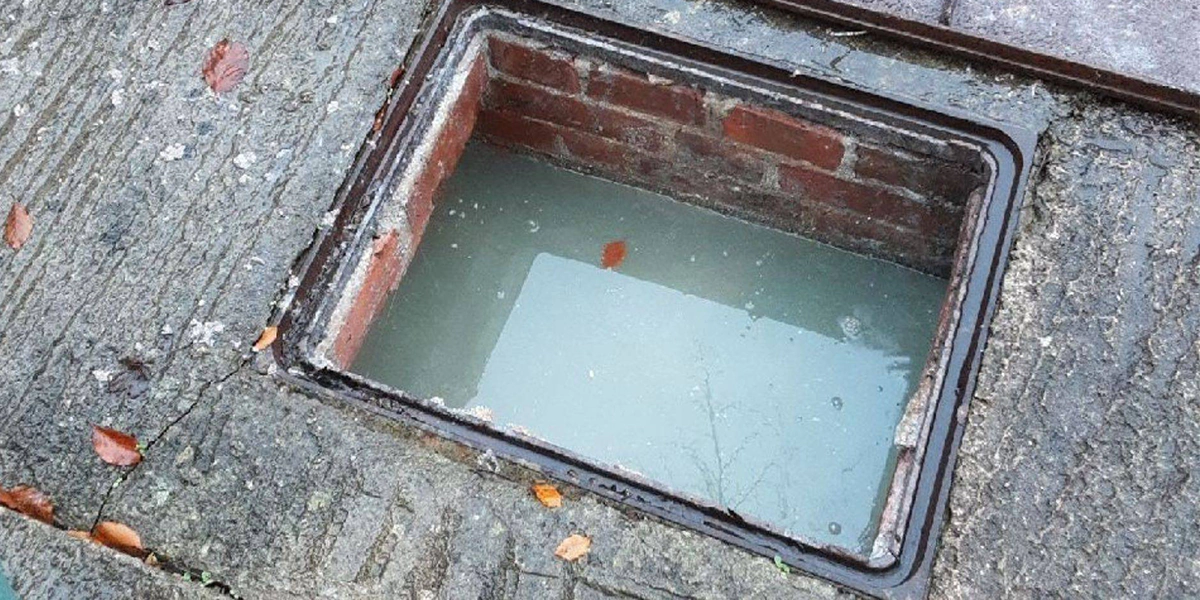
If you thought the lush green patch was bad, this is its angrier, wetter cousin. Seeing actual puddles or areas of standing water over your septic drain field is a definitive sign of serious trouble. This means your system is so overloaded that the wastewater isn't being properly absorbed by the soil; it's just pooling on the surface. And let's be frank, that "water" isn't exactly fresh spring rain.
This is a major health hazard, not to mention an environmental nightmare. It suggests a complete failure of your drain field, likely due to an overflowing tank. If you see this, stop using water as much as possible and call a professional immediately. This isn't a DIY fix; it's a crisis requiring expert intervention.
The Septic Siren: When Technology Talks (or Screams)
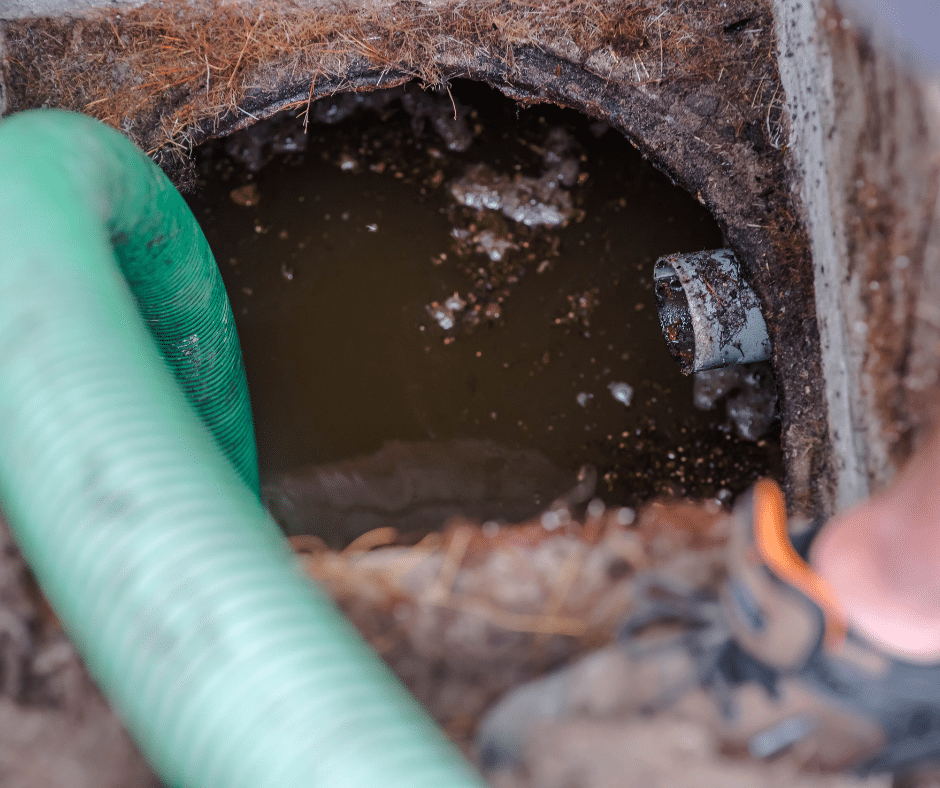
Some modern septic systems come equipped with alarms. These are usually floats or sensors that detect when the water level in the tank or a pump chamber gets too high. If you're lucky enough to have one of these, and it starts beeping, flashing, or generally making a racket, congratulations! Your septic tank just yelled at you to get help.
This is the system's way of saying, "Hey, human! I'm reaching critical mass! Do something!" It's the equivalent of your car's oil light coming on, but with much smellier potential consequences. Listen to the alarm; it’s designed to save you from a much bigger, smellier problem down the line. It's the least subtle warning, and probably the easiest to understand.
So, there you have it, the tell-tale signs that your septic tank is officially full and ready for service. While these signs might seem gross or even amusing in an article, experiencing them firsthand is anything but. Regular maintenance is key to avoiding these scenarios, but if you do spot any of these red flags, don't procrastinate. Your home, your nose, and your bank account will thank you for taking swift action. Now, go forth and be a responsible septic owner!