
How To Tell If Your Septic Leach Field Is Bad
Alright, gather 'round, folks! Pull up a metaphorical chair, grab your imaginary coffee (or something stronger, depending on your septic situation), because we're about to delve into a topic near and dear to the hearts of rural homeowners everywhere: your septic leach field. Yes, that mysterious, often-ignored patch of grass in your yard that's quietly doing the Lord's work of sewage disposal. It's the unsung hero, the subterranean superstar, the… well, you get the idea. But what happens when your superstar starts to fizzle? How do you tell if your leach field has decided to retire without notice and is now throwing a very pungent protest?
Fear not, my friends! I'm here to equip you with the knowledge to spot the signs before your backyard becomes a scene straight out of a disaster movie. Think of this as your humorous, slightly alarming guide to detecting impending sewage doom.
The Olfactory Offense: Your Nose Knows
Let's start with the most obvious, and frankly, least pleasant, indicator: the smell. A healthy leach field is like a ninja – silent, invisible, and odorless. If you start catching a whiff of something that unmistakably smells like… well, raw sewage, especially around the leach field area, that's your first major red flag. This isn't your neighbor's questionable barbecue or a forgotten gym sock. This is the unmistakable "eau de broken dreams", an aroma that declares, "Houston, we have a problem, and it's coming from your waste system."
Must Read
It's like your nose is giving you a dramatic performance review: "Performance in waste absorption: unsatisfactory! See me after class." If you're smelling it, it means your leach field isn't properly absorbing and treating the wastewater, and those delightful little microbes are having a very bad day.
The Soggy Surprise: Ground That Gives Back
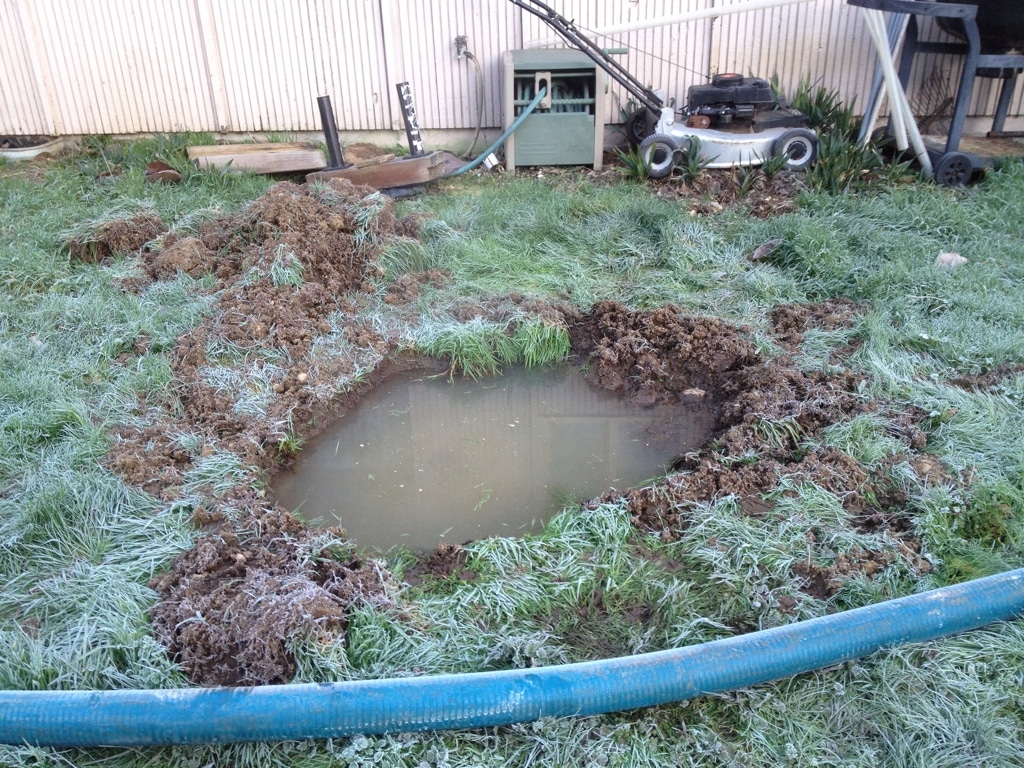
Next up, let's talk about the ground itself. Your leach field should be relatively dry. It's designed to absorb liquid, not hold onto it like a miser clinging to his pennies. So, if you notice patches of ground over your leach field that are constantly squishy, spongy, or downright wet – even when it hasn't rained in days – you've got a serious issue. We're talking standing water, puddles that never seem to dry, or ground so soft you could probably plant rice in it.

Imagine walking across your lawn and suddenly sinking a little, feeling that unsettling squelch underfoot. It’s not a hidden spring, it's not a secret pond. It's likely wastewater that has nowhere else to go but up. This is your leach field essentially saying, "I'm full! And I'm going to prove it by making your lawn feel like a giant, sodden sponge." Surprise!
The Plumbing Protest: Your House Is Talking Back
Sometimes, the first signs of trouble aren't outside, but inside your cozy abode. Are your toilets taking an eternity to flush, as if they're pondering the meaning of life before deciding to drain? Do your sinks gurgle ominously, or does the shower fill up to your ankles while you're still shampooing? These are all classic symptoms of a slow drain or, worse, plumbing backups. While a clogged pipe could be the culprit, if these issues are widespread throughout your house, it's often a cry for help from your struggling leach field.
Think of it as your house having a tantrum. It's saying, "I can't push anything out because there's nowhere for it to go!" It’s a bit like trying to squeeze more toothpaste into an already full tube – eventually, it's going to back up and make a mess, possibly on your bathroom floor. And nobody wants that kind of "personal horror movie" playing out in their home.

The Greener Grass Syndrome: Too Much of a Good Thing
This one can be a bit counter-intuitive. You might think lush, green grass is a sign of a healthy lawn. And usually, you'd be right! But if the grass directly over your leach field is suddenly exceptionally vibrant, noticeably greener, and growing much faster than the rest of your lawn, that's actually a warning sign. We're talking "grass on steroids," an unnaturally verdant patch that looks like it belongs in the Emerald City, not your backyard.
Why is this bad? Because sewage is rich in nutrients (nitrogen, phosphorus, etc.). When a leach field fails, it essentially fertilizes the grass with these nutrients, making it grow like crazy. It's like your lawn is getting an all-you-can-eat buffet of waste, and while it might look pretty for a hot minute, it's a clear indication that untreated wastewater is too close to the surface, and that's not a party you want to attend.
The Unmistakable Ugh: Sewage Surfacing
Okay, this is the big one. The "oh no" moment. If you see actual raw sewage bubbling up or pooling on the surface of your leach field, congratulations, you've officially hit rock bottom. This is not a drill. This isn't ambiguous. This is your leach field screaming for help at the top of its metaphorical lungs.
This is the definitive, no-question-about-it sign that your system is completely overwhelmed and has failed to properly absorb and treat wastewater. At this point, you're not just looking at a nuisance; you're looking at a serious health hazard and an environmental concern. So, if you spot this, resist the urge to declare your backyard the new local swamp and call a professional, stat!
Beyond the Basics: Alarms and Awareness
Some modern septic systems come with alarms that will actually notify you if the water level in your septic tank is too high – a common precursor to leach field issues. If you have one, heed its warnings! It's not crying wolf; it's saving you from a much larger headache (and a much larger bill).

And on a more serious note, though less common to detect without testing, a failing leach field can also lead to contamination of nearby well water. If you use a well, periodic testing is always a good idea, especially if you're experiencing any of the above symptoms.
So, What Now?
If you've noticed any of these signs, don't panic! Well, maybe a little panic, then channel that energy into action. A failing leach field isn't the end of the world, but it absolutely requires professional attention. Call a licensed septic contractor. They can diagnose the issue, pump your tank, and discuss repair or replacement options.
Your leach field is a vital part of your home's infrastructure, a quiet workhorse that deserves a little respect – and a lot of vigilance. By knowing these humorous, yet informative, signs, you can catch problems early and keep your backyard smelling like fresh air, not broken dreams.