How To Tell If Your Leach Field Is Failing

Ever feel like your home has a secret, hidden world working tirelessly beneath your feet? If you've got a septic system, you absolutely do! Beyond the walls and under the lawn, there’s a whole network doing some serious work. And right at the heart of it, often out of sight, is your mysterious leach field. Understanding this unsung hero of your yard can feel a bit like cracking a secret code. But don't worry, it's a fun code to crack, especially when you know what clues to look for!
What's a Leach Field, Anyway?
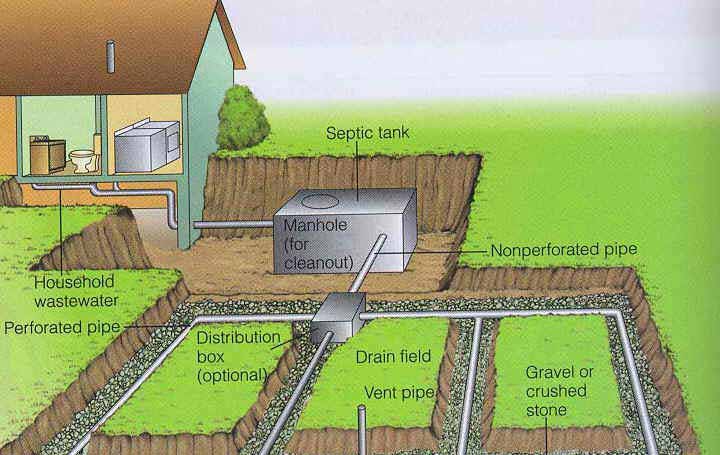
Think of your septic tank as the first stop for all your household wastewater. Solids settle, and liquids move on. But where do those liquids go? They flow into the leach field, which is also sometimes called a drain field or absorption field. This is a special area of your yard with a series of underground pipes. These pipes have small holes, allowing the treated wastewater to slowly seep out into the soil. The soil then acts like a natural filter, cleaning the water before it returns to the groundwater. It’s pretty clever, right? A silent, underground filtration plant keeping things clean and tidy.
The Great Backyard Detective Game!
Even though your leach field works hard, it's not invincible. Over time, or with certain issues, it can start to struggle. When that happens, your yard and even your house will start sending you signals. Think of yourself as a backyard detective, looking for the tell-tale signs. It’s not about finding treasure, but preventing a soggy, smelly mess. And trust us, catching these clues early can save you a whole lot of headaches and hassle!
Must Read
Clue #1: The Mysterious Odors
This is often the most obvious, and certainly the least pleasant, sign. If your leach field is failing, you might start to notice unpleasant smells around your yard, especially near the area where your leach field is located. We're talking about distinct sewage smells, like rotten eggs or something even worse. These odors might be stronger after heavy water use in your home, like after a few loads of laundry or multiple showers. It’s your yard’s way of saying, "Hey, something isn't quite right down here!" Don't ignore this pungent clue; it's a big flashing sign.
Clue #2: The Soggy Surprise
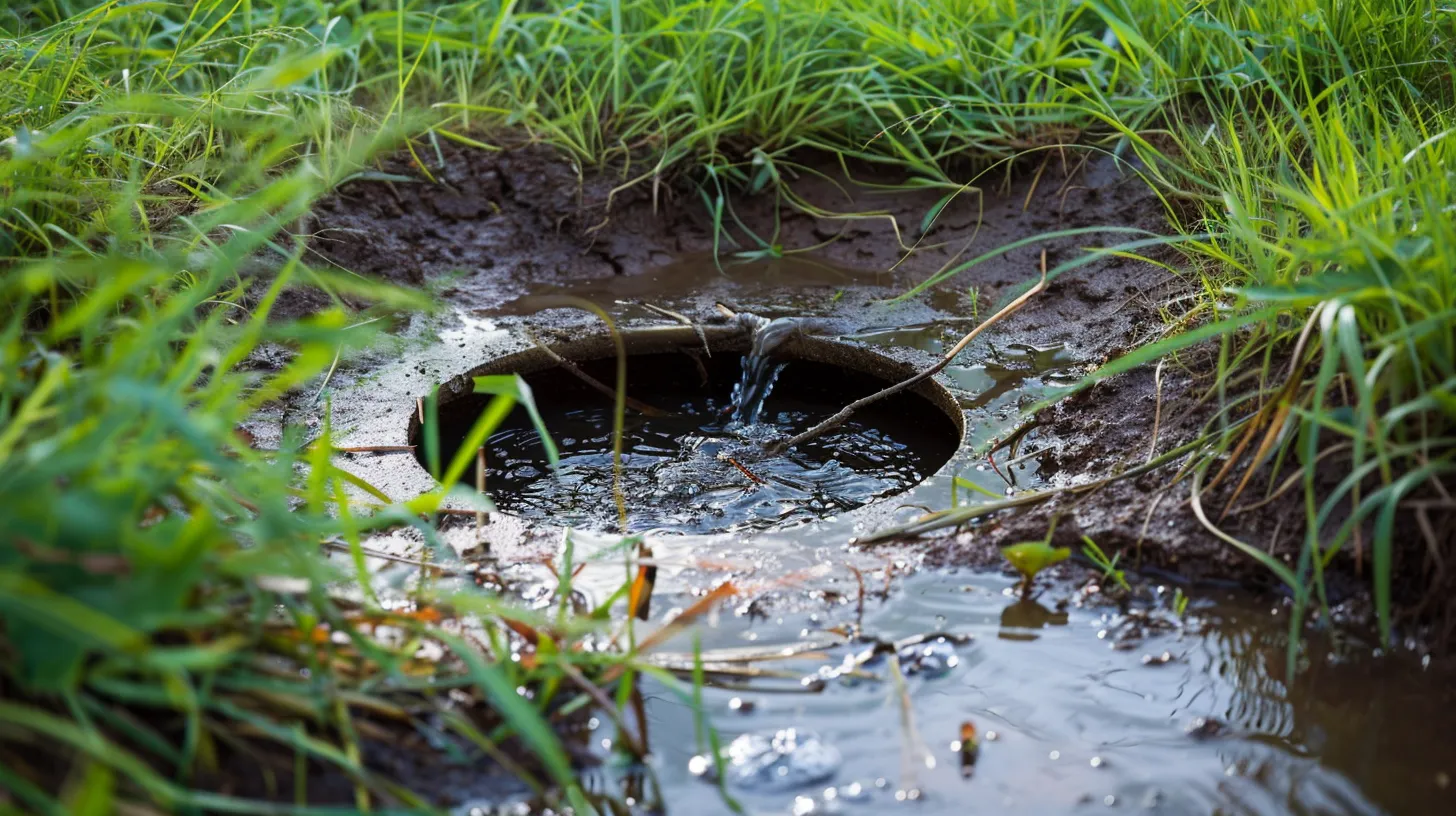
Imagine walking across your lawn and suddenly stepping into a persistently wet, squishy patch of grass. Or perhaps you see actual puddles of water gathering in your yard, even when it hasn't rained recently. This is a classic symptom of a failing leach field. When the soil in your drain field can no longer absorb the wastewater properly, the liquid has nowhere else to go but up! You might see this ponding water as dark, sometimes foul-smelling liquid. It’s definitely not the kind of water feature you want in your garden. This clue screams for attention, as it means the wastewater isn't being properly absorbed and treated.

Clue #3: The Super-Green Patch
Now, this one might seem counterintuitive. Who doesn't love a lush, green lawn? But if you have a spot of grass over your leach field that looks exceptionally green and grows faster than the rest of your yard, it could be a warning sign. Why? Because that extra water and nutrients (from the wastewater) act like a super-fertilizer for the grass directly above the failing system. While it looks pretty, this unnaturally green, vibrant patch of lawn means your leach field is getting too much liquid, and it’s not draining away as it should. It's the "too much of a good thing" scenario, signaling a problem beneath the surface.
Clue #4: Inside the House Alarms
Sometimes, the first signs of trouble don't appear in your yard at all, but right inside your home. If your leach field isn't doing its job, the entire septic system can back up. This means your household drains might become noticeably sluggish. You might experience slow drains in sinks, showers, and especially toilets. Toilets might flush very slowly, or you might even hear gurgling sounds from your pipes when water is draining. In severe cases, you could experience a full-blown septic backup into your home, usually in the lowest drains like those in a basement. This is definitely a "call a pro ASAP" moment!

Clue #5: The Pumper's Warning
Regular septic tank pumping is essential for maintaining your system. When your septic professional comes to pump your tank, they can often spot early signs of a failing leach field. They might notice that the water level in your septic tank is unusually high, even after it's been recently pumped or if it's not near its usual pumping schedule. This high water level indicates that the wastewater isn't flowing out into the leach field as it should, suggesting a blockage or saturation in the field itself. Your pumper is a valuable ally; listen to their observations and advice!
What to Do Next?
If you've played detective and found one or more of these clues, don't panic! The key is early detection. Ignoring these signs will only lead to bigger, messier, and more expensive problems down the line. The next step is always to contact a qualified professional septic system specialist. They have the tools and expertise to diagnose the problem accurately and recommend the best course of action. It could be anything from a simple fix to a more involved repair, but you won't know until you call in the cavalry.
"Being a proactive homeowner means knowing what to look for, even in the parts of your home you rarely see. Your leach field might be hidden, but its health impacts everything above ground!"
So, take a stroll around your yard, especially after a busy day of water use. Pay attention to your drains and any unusual smells. Becoming aware of these signs empowers you to be a great homeowner, protecting your property and ensuring your septic system keeps working smoothly. Happy detecting!