
How To Tell If Your Carbon Monoxide Detector Is Working

There’s a silent hero living in your home, often overlooked but always on guard. It’s not a caped crusader or a masked marvel, but rather a humble little box called a Carbon Monoxide detector. This unassuming gadget is perhaps one of your home's most important residents, diligently sniffing out trouble you can’t see, smell, or taste.
Think of it as the quiet, watchful friend who never asks for much, but whose presence brings immense peace of mind. Carbon monoxide, or CO, is a sneaky gas. It's truly invisible, odorless, and tasteless, making its detection a job for specialized equipment, not our everyday senses.
Waking Up the Sleeping Giant: The Test Button
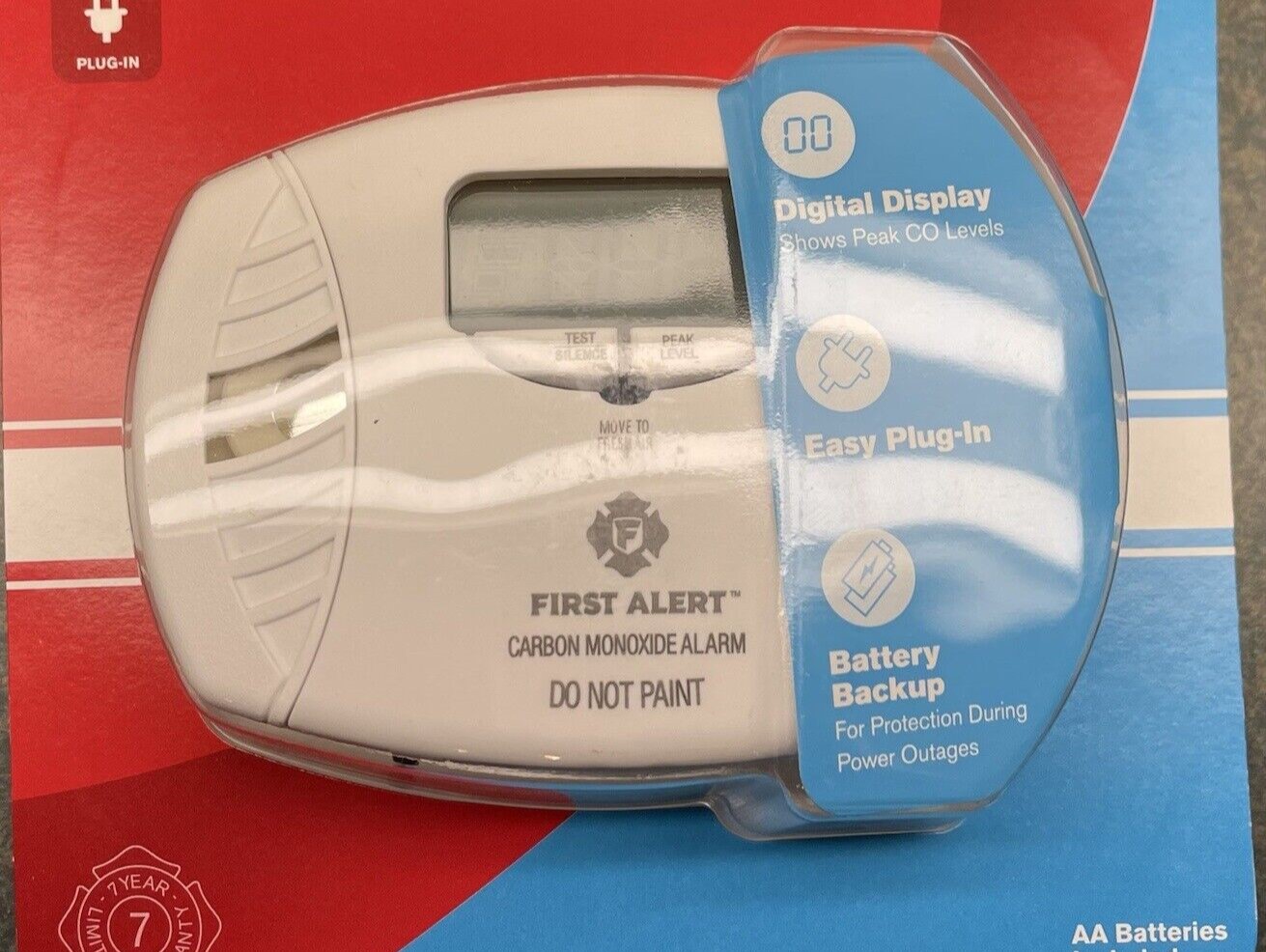
So, how do you know if your silent sentinel is actually ready for action? The easiest, most universally satisfying way is to press its test button. It’s like giving your hero a little poke to make sure they’re not just napping on the job.
Must Read
You'll find this magical little button usually right on the front or side of the detector. Go ahead, give it a firm press and hold for a few seconds. What happens next is nothing short of a theatrical performance.
Suddenly, your quiet home will erupt! A loud, shrill, sometimes ear-splitting sound will pierce the air. It’s usually a series of rapid beeps, a distinct alarm that makes you jump, even when you’re expecting it.
This dramatic noise isn't just for show. It's your detector shouting,
“I’m here! I’m loud! I’m working!”It's the equivalent of a tiny, brave robot letting out a mighty roar, confirming its readiness to protect your loved ones.
After the initial surprise, a wave of relief often washes over you. That loud, momentarily annoying shriek is actually music to your ears, a clear sign that your unseen protector is wide awake and fully functional. It's a small victory, a tiny reassurance in the grand scheme of home safety.
The Chirp: A Tiny Voice Asking for Help
Beyond the impressive roar of the test button, your detector has another, more subtle way of communicating its needs. We're talking about the infamous low-battery chirp. This isn't a full-blown alarm, but a gentle, persistent, sometimes maddening single beep that surfaces every few minutes.
It often starts innocently enough, a little whisper in the dead of night, making you wonder if you imagined it. But quickly, it escalates into a rhythmic plea, a tiny, insistent voice saying,
"Feed me! My energy is fading!"
This specific chirp is like your detector clearing its throat, subtly letting you know its power source is dwindling. It's a sign of a carbon monoxide detector that's still somewhat operational but is running on fumes, needing a quick battery refresh to get back to peak performance.
Finding which detector is chirping can sometimes feel like a treasure hunt, especially in a home with multiple units. The sound seems to echo, making its origin a mystery. But once you pinpoint the culprit, you become the hero, ready to swoop in with fresh batteries.
Replacing the batteries is a simple yet profoundly satisfying task. It’s a moment of connecting with your home's guardian, ensuring its longevity and effectiveness. The immediate silence after the replacement is perhaps one of the most heartwarming sounds in a busy home.

The Age-Old Question: When Does a Hero Retire?
Unlike some appliances that seem to last forever, carbon monoxide detectors have a lifespan. They don't just protect you; they also have an expiry date, a retirement age after which their sensing abilities might not be as sharp. This is a crucial, often overlooked detail in ensuring continuous safety.
Most detectors are designed to last between five and seven years. Think of it like a trusted veteran hero, after years of valiant service, needing to pass the torch to a younger, more technologically advanced successor. Finding this date is like discovering a secret code on your detector.
You'll typically find the manufacturing date or expiration date printed on the back or side of the unit. It’s usually a clear label, sometimes a sticker, that gives you the exact year your hero needs to hang up its boots. Don’t confuse it with the installation date; it’s about the device's inherent longevity.
If you discover that your detector has passed its prime, it’s not a moment for sadness, but for proactive action. Replacing an expired unit isn't just maintenance; it's an upgrade to your home's entire safety system. It's like replacing an old, beloved but rusty car with a brand-new, gleaming model.

This simple act of checking the date and replacing an old unit is a profound gesture of care for your home and everyone in it. It shows you understand that even the best guardians need an updated toolkit to stay effective in their critical mission.
Beyond the Beeps: The Full Safety Picture
While testing and checking dates are paramount, the effectiveness of your CO detector also hinges on its placement. It’s not enough for it to be working; it needs to be in the right spot to "hear" trouble. Think of it as giving your hero the best vantage point in your home.
Ideally, you want detectors near sleeping areas, so their alarm can wake you. Also, place them on every level of your home and near sources of CO, like a furnace or water heater, but not directly on top of them, as minor fumes could trigger false alarms.
A little known fact: CO detectors often perform best when placed at chest height or higher, not tucked away near the floor. This positioning allows them to efficiently detect the gas, which mixes evenly with air throughout a room. It's about optimizing their senses for maximum protection.
Sometimes, a detector might even give you a false alarm, perhaps due to cooking fumes or another benign trigger. While startling, these moments, too, are a quirky reassurance. They prove that its sensors are hyper-aware, perhaps a bit overzealous, but definitely alive and ready.

The shared experience of a false alarm – the quick scramble, the sniff test, the relieved laughter – can even be a bonding moment for the family. It's a practice drill, a vivid reminder of the detector’s presence and its vital role, making it a bit more real and appreciated.
The Quiet Comfort of Knowing
Ultimately, knowing your Carbon Monoxide detector is working isn't just about technical checks; it's about the feeling it brings. It's the silent promise whispering in the background of your daily life, assuring you that a watchful eye is always open, guarding against an unseen danger.
It’s the peace of mind as you drift off to sleep, knowing that a tiny, dedicated device is standing guard, allowing your family, your pets, and yourself to rest soundly. This simple little box truly embodies a profound sense of security.
So, the next time you walk past your CO detector, give it a little nod of appreciation. Maybe even press that test button and enjoy the brief, startling symphony it performs. It’s a fun, easy way to connect with one of your home's most essential guardians.
Embrace the beeps, the chirps, and the occasional dramatic alarm. They are all friendly reminders that your silent hero is awake, ready, and constantly working to keep your home a safe and happy haven. It’s a tiny piece of technology that holds a whole lot of love.