
How To Tell If You Have A Septic System

Okay, so picture this: you’re sipping your coffee, scrolling through Zillow, and you see a gorgeous house with a big yard. Maybe you already live in that house. And then, a thought pops into your head, totally unbidden: Do I have a septic system or am I on city sewer? It’s not exactly the kind of juicy mystery you read about in thrillers, but trust me, knowing the answer is kinda a big deal. Like, really big. It's the difference between a simple flush and potentially a whole lot of unexpected lawn decoration. 😉
So, let's play detective, shall we? Grab another coffee, because we're about to uncover some underground secrets!
The Obvious-ish Clues (aka "No-Brainers")
First things first, let's tackle the low-hanging fruit. If you live way out in the sticks, surrounded by cornfields or dense woods, with not a city light in sight? Chances are pretty, pretty good that you're operating on a septic system. Cities have fancy municipal sewer lines, you know, because they have a lot of... stuff... to deal with. Rural areas often don't have that infrastructure. It’s a big hint, like a neon sign flashing: “SEPTIC HERE!”
Must Read
Another super straightforward clue? Your utility bills! Do you get a separate charge for "sewer service" from your municipality? If you do, congratulations, you're likely hooked up to the city's network. If you don't see that line item, but you still flush toilets and run dishwashers, where do you think all that water magically disappears to? Yep, probably into your very own personal wastewater treatment plant right there in your yard!
So, rule number one: check your address and your bills. Easy peasy, lemon squeezy.
Yard-Based Investigations (Get Your Boots On!)
Now, if the bills are ambiguous or you just want to get down and dirty (literally, maybe?), it's time to head outside. This is where the real fun begins. Or, you know, the slightly less fun but more informative part.
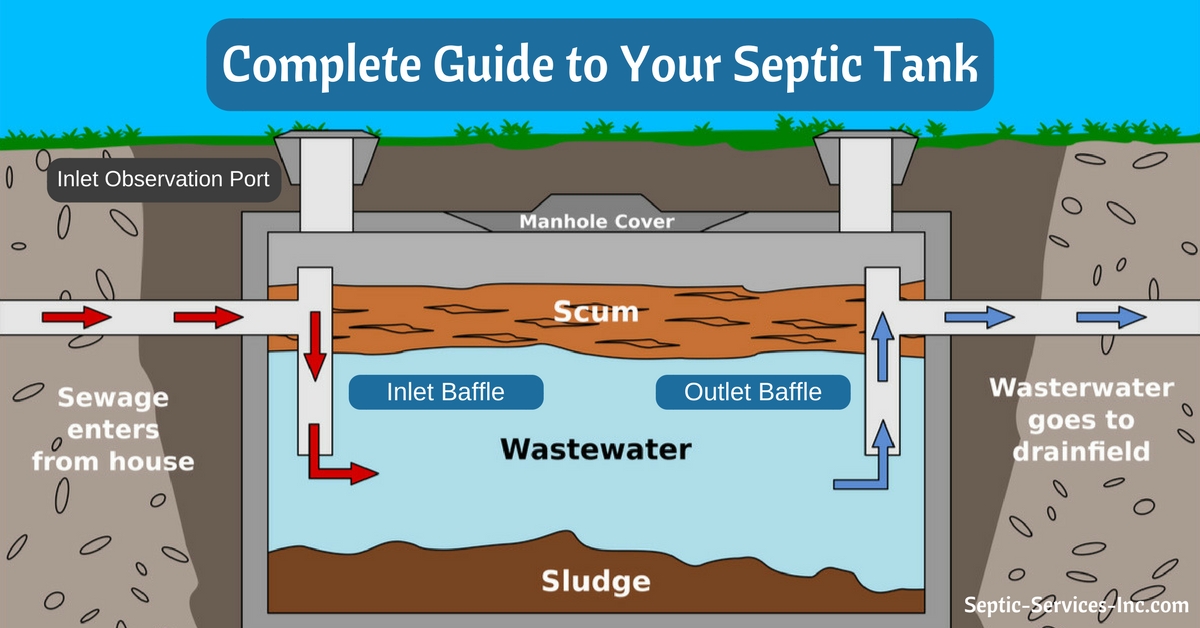
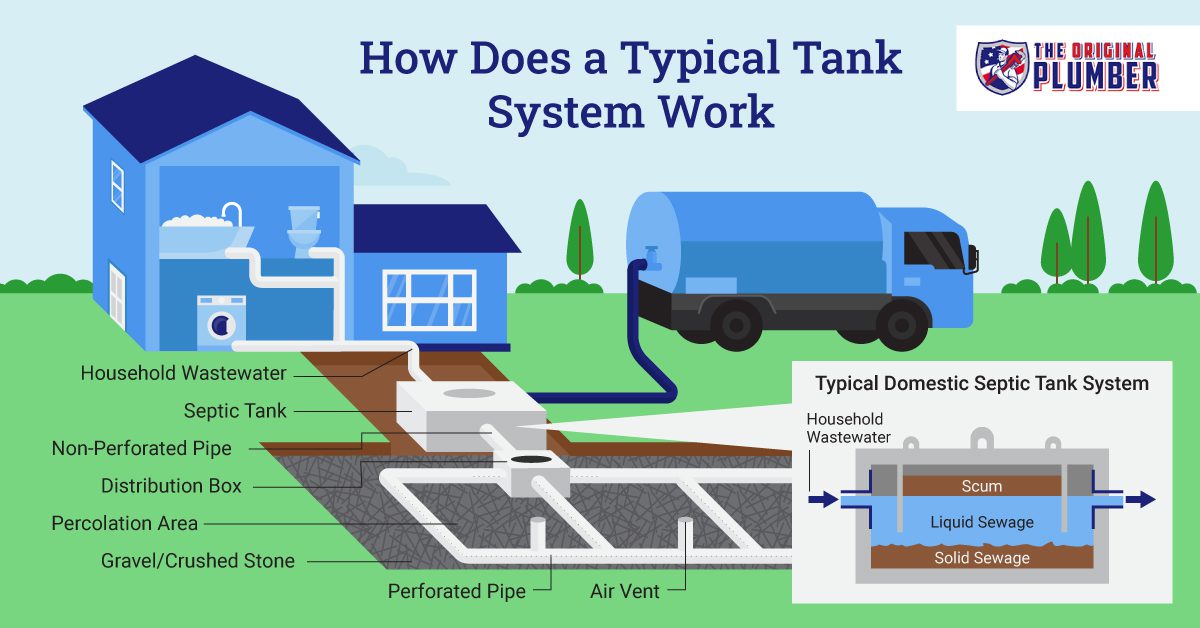
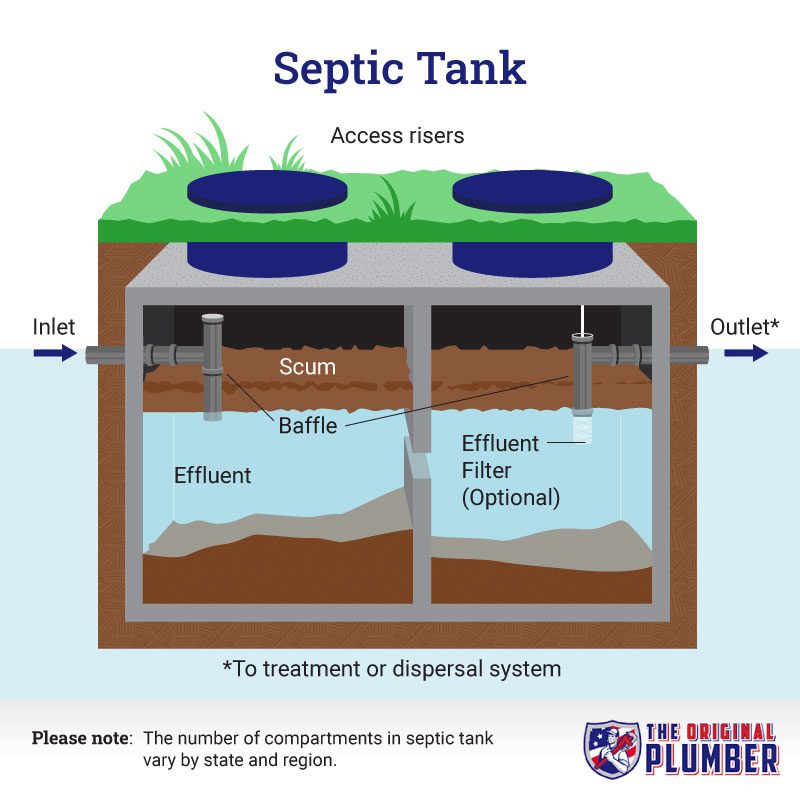
Take a stroll around your property. Are there any strange, circular covers in your lawn? We're talking about things that look like concrete or plastic lids, sometimes flush with the ground, sometimes slightly raised. These, my friend, are often the access points for your septic tank. They might be hidden under a thin layer of grass or leaves, so you might need to do a little gentle poking around. Finding one of these is pretty much the equivalent of finding a treasure map that clearly states: "X marks the septic!"

Next up: the drain field, or leach field, or absorption field – it goes by many names. This is the part of your septic system where the treated wastewater slowly seeps back into the ground. Look for an area of your lawn that might be slightly mounded or just looks a bit... different. Sometimes, you'll see a rectangular or square patch of grass that's exceptionally green and lush, especially during dry spells. Why so green? Because it's getting a steady diet of nutrient-rich water from your house! It’s like a secret garden, only it’s fed by your bathroom breaks. Kinda gross, kinda cool, right?
And then there's the aroma... err, olfactory evidence. Let's be honest, if you catch a whiff of something less-than-fresh wafting through your yard, especially near a super-green patch of grass or a suspicious-looking lid, your septic system might be trying to tell you something. Perhaps it's saying, "Hey, I'm here! And maybe I need some attention!" A little smell isn't always a crisis, but it's definitely a clue. And a nudge to call a professional for a look-see.
Indoor Whispers (When Your House Talks)
While most of the obvious signs are outside, your home can also drop hints. Slow drains, especially if it's not just one sink but multiple drains throughout the house, can be a red flag. Is your toilet making gurgling noises after you flush, like a grumpy monster in the pipes? Are you experiencing backups, especially after heavy water usage (think laundry day or multiple showers)? These aren't just annoying; they could be your septic system crying for help. Or, you know, just confirming its existence. They're like little house ghosts telling you, "Psst! Something's happening underground!"
The Paper Trail (A Bureaucratic Blessing)
Still not sure? Time to embrace bureaucracy! Your local county or municipal planning/permitting office often has records of septic system installations. When your house was built or when a septic system was put in (or replaced), permits were typically filed. A quick call or visit to their office, armed with your address, might just reveal all the secrets. Plus, if you ever sell your home, having these records is a huge bonus for potential buyers.
Also, if you bought your house relatively recently, check your closing documents. The property disclosure statement from the previous owner should absolutely mention whether the house is on septic or sewer. It's one of those things you really, really need to know before buying!
So, You Found It! Now What?
If, after all this detective work, you’ve confidently concluded you have a septic system, congratulations! You’ve unlocked a new level of homeowner knowledge. Now, the next step is to understand how to properly maintain it. Because an ounce of prevention is worth a pound of, well, you know, poop trouble! And if you’re still scratching your head, or if you found some suspicious clues but aren’t 100% certain, don’t hesitate to call a local septic professional. They'll know exactly what to look for and can give you peace of mind.
Knowing you have a septic system isn't something to fear; it's something to understand and manage. It's your very own personal waste treatment plant, working hard for you every single day. So go forth, armed with your new knowledge, and perhaps a plunger, just in case. 😉