How To Tell If Smoke Detector Needs New Battery

You know that sound. The one that starts subtly, then escalates into a persistent, high-pitched chirp that seems to follow you from room to room, bouncing off walls and burrowing into your brain? It’s the universal soundtrack to a minor household mystery, and frankly, it's pretty annoying. But here’s the fun part: solving that mystery is incredibly easy, immensely satisfying, and genuinely one of the most important little tasks you can do for your home safety!
That incessant chirping isn't just trying to get on your nerves; it's a vital alert from your smoke detector, telling you it's running low on juice. Think of your smoke detector as a silent guardian, standing watch over your home and loved ones 24/7. These unsung heroes are your first line of defense against fires, giving you precious minutes to escape. But just like any superhero, they need their power source. Knowing how to interpret their little signals means you're keeping them fully operational, ensuring they're ready to shout for help if a real emergency strikes. It's a quick fix that brings immense peace of mind – and who doesn't love that?
So, how do you tell if your trusty smoke detector is about to conk out? The most common and unmistakable sign is, of course, the infamous low-battery chirp. This isn't a continuous alarm; it's typically a short, sharp beep that sounds every 30 to 60 seconds. It's designed to be annoying enough to get your attention without being as alarming as a full-blown fire warning. If you hear this distinct, repetitive chirp, don't delay – it’s your smoke detector's way of saying, "Hey, my energy is flagging!" Even if it seems to stop for a while, it will inevitably return, especially when you're trying to sleep.
Must Read
Another key indicator is during your regular testing. You should be testing your smoke detectors at least once a month. To do this, simply press and hold the "Test" button on the unit. A healthy, fully powered smoke detector will emit a loud, piercing alarm within a few seconds. If you press the test button and you hear nothing at all, or just a very weak, muffled sound, then it’s highly probable that your battery is dead, or at the very least, critically low. This is a clear signal that it's time for a replacement.
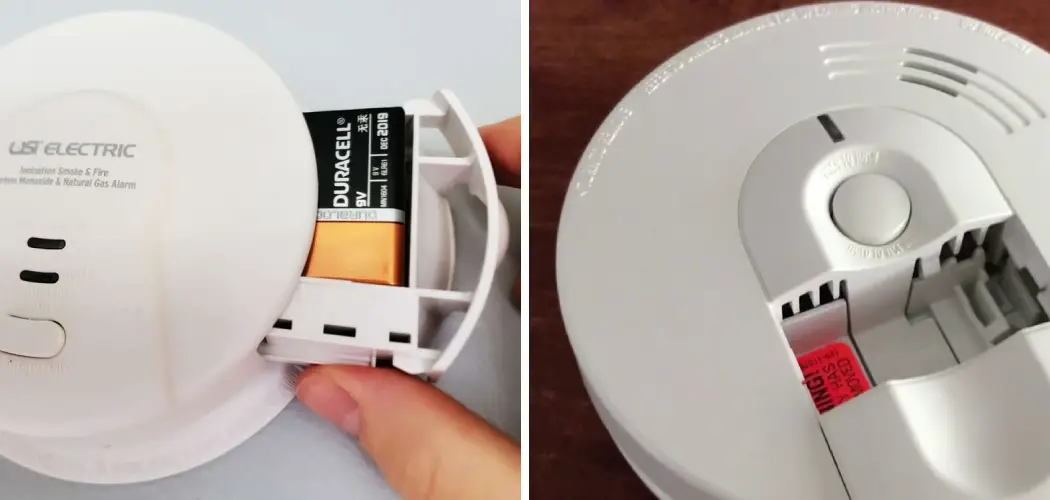
Beyond the auditory cues, there's also the element of time. Even if your detector isn't chirping, many experts recommend replacing your smoke detector batteries at least once a year, regardless of whether they seem to be working. A good habit is to do it when you change your clocks for Daylight Saving Time – "spring forward, change your batteries!" This proactive approach ensures your detectors always have fresh power, preventing them from ever getting to the chirping stage in the first place.
In summary, listen for the chirp, perform your monthly test, and make annual battery replacement a habit. These simple steps are all it takes to keep your smoke detectors vigilant and ready to protect your home. It's a small effort for a huge safety reward!