
How To Tell If Septic Tank Is Full Or Clogged
Okay, let’s be honest. Nobody really wants to think about their septic tank. It’s the unsung hero of your home, quietly doing its job down below, out of sight and, hopefully, out of mind. But what happens when this subterranean superstar starts to feel a bit… overwhelmed?
Don't panic! Your septic system is actually pretty good at sending out smoke signals, or rather, sewage signals. We're going to turn you into a septic detective, ready to spot the clues with a smile and maybe a nose plug. Get ready to understand your home's hidden plumbing!
The Subtle Nudges: "I'm Not Feeling So Great!"
Think of your septic tank like a quiet, hardworking friend. When it's starting to struggle, it won't shout right away. Instead, it gives you little, polite nudges, almost like a subtle cough, hoping you’ll notice.
Must Read
These early warnings are your golden tickets to preventing bigger, messier problems down the road. Tuning into these signals means you can address issues before they become full-blown plumbing dramas. It's all about being a proactive homeowner!
Slow Drains: The Sluggish River Effect
First up, the classic tell-tale sign: your drains are playing hard to get. Is your shower turning into a mini wading pool faster than usual? Does brushing your teeth feel like you’re waiting for an ancient glacier to melt before the sink finally empties?
This isn't just a quirky personality trait of your plumbing; it's a significant sign. Your drains shouldn't feel like they're trying to empty a thick milkshake through a tiny, bent straw. When multiple drains in your house start to slow down, it's a big clue that something's up.
It’s like your home is suddenly stuck in slow-motion, especially in the bathroom and kitchen sinks. Keep an eye on those tubs and sinks; they're chatterboxes when it comes to early warnings. A consistently sluggish drain is definitely trying to tell you something important about your septic system's workload.
Don't just shrug it off as "old pipes"; if it's a new or widespread phenomenon, it warrants a closer look. This particular slowdown is often one of the first indicators of a demanding septic tank.
Toilet Troubles: The Gurgle and the Grumble
Ah, the toilet, the star of any bathroom. When your septic tank is feeling full or clogged, your toilet might start to act a little dramatic, like a grumpy teenager. Does it gurgle ominously after flushing, like a small monster sighing in discontent?

Perhaps it doesn't flush with its usual enthusiastic swirl, instead doing a weak, half-hearted attempt. This isn't your toilet being lazy; it's struggling against a rising tide of pressure in the system. A toilet that requires multiple flushes to clear is a definite red flag.
Sometimes, you might even hear a strange bubbling sound from nearby drains, like a sink or shower, when you flush the toilet. This indicates a pressure issue in the pipes, and it’s often a direct link to a grumpy septic system that can’t process waste effectively. Don't ignore these plumbing protests; they're clear indicators of distress!
A toilet that is reluctant to flush or consistently backs up, even slightly, is practically waving a tiny white flag. It’s signaling that its underground partner, the septic tank, needs a little TLC.
The Not-So-Subtle Shouts: "Houston, We Have a Problem!"
Alright, if you missed the subtle nudges – perhaps you were busy, or just really good at ignoring things – your septic tank will escalate its communication. These next signs are less polite suggestions and more urgent, undeniable pleas for help.
These are the indicators that usually make people sit up and take immediate notice, often accompanied by a gasp. When these signs appear, it's time to shift from detective mode to emergency response mode, quickly but calmly.
Mysterious Odors: The Uninvited Guest
This is probably the most unmistakable sign, the one that makes everyone wrinkle their nose and look around suspiciously. Do you smell something… distinctly off? A foul, rotten-egg-like stench lingering in your bathroom, laundry room, or even outside near your septic tank or drain field?
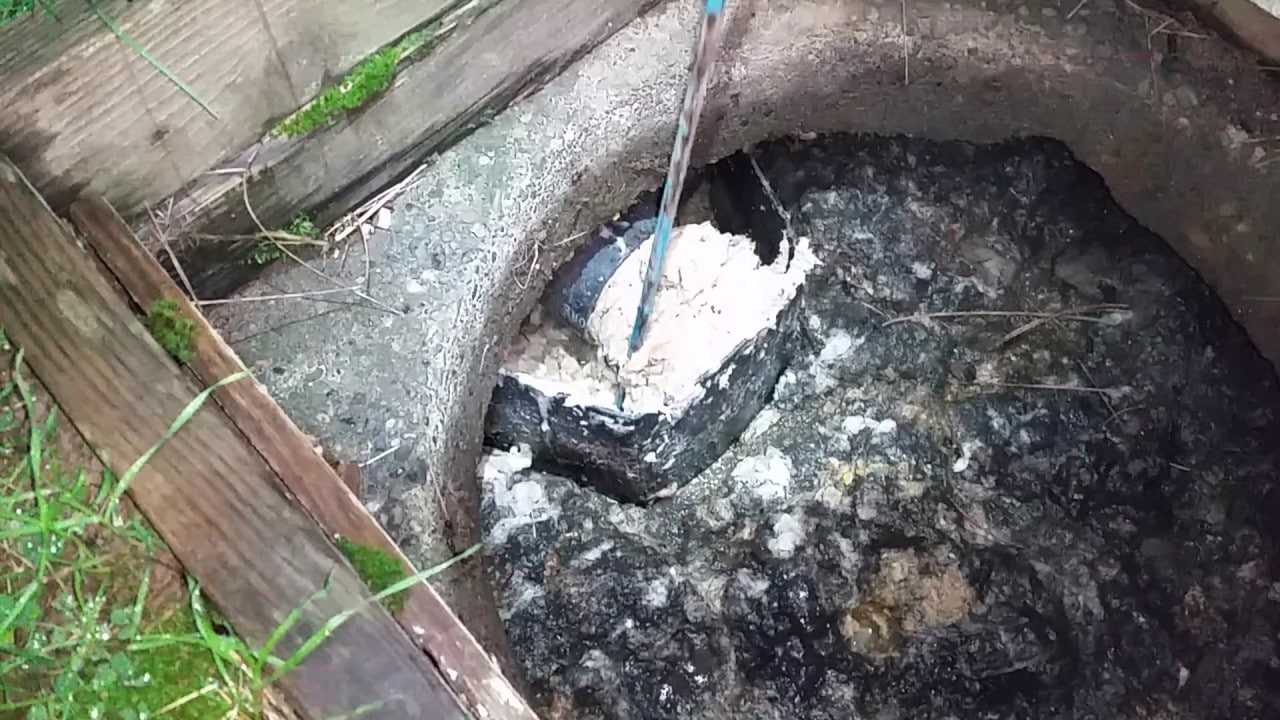
This isn't just a bad day for your air freshener; it's a significant warning. That distinct sewage smell is literally gases escaping because they have nowhere else for them to go. It’s like your septic tank is holding its breath for too long and letting out an unhappy, pungent sigh.
If you catch a whiff of this unmistakable perfume, whether indoors or out, it's a giant neon sign flashing: "Septic System Alert!" Don't try to mask it with sprays; investigate its source. That smell isn't just unpleasant, it's a messenger.
"That lingering smell is your septic tank's way of saying, 'Hello? Anyone out there? I'm overflowing!'"
Ignoring this smell is like ignoring a fire alarm – not a good idea. It points directly to an overloaded system that desperately needs attention.
Extra Lush Grass (In One Spot!): The Septic Spa Treatment
Take a stroll around your yard, especially the area where your drain field is located. Do you notice a particular patch of grass that looks incredibly vibrant, super green, and maybe even a bit squishy to walk on? Like it's been getting an exclusive, secret spa treatment?
While lush grass is usually a good thing, a randomly vibrant, soggy patch near your drain field is actually a cause for concern. This means untreated wastewater is rising to the surface, fertilizing that grass a little too well. It's a clear indicator of a saturated or failing drain field.
You might even notice standing water in these localized areas, even when it hasn't rained in days. If your lawn looks like it's auditioning for a wetland documentary in one specific spot, your septic system is likely overflowing. It's a beautiful, green problem, but a serious problem nonetheless!
This phenomenon, often called a "breakout," is a clear sign that the soil can no longer absorb the effluent. It's the septic system literally crying out for help, with visible tears on your lawn.
Sewage Backup: The Ultimate Party Crasher
This is the big one, the dreaded scenario, the "oh-no-they-didn't" moment for any homeowner. If you're seeing sewage backing up into your toilets, sinks, or even worse, your bathtub or shower, you've gone past subtle nudges and urgent shouts.
This means your septic tank is completely full, or your main line is severely clogged, potentially both. There is literally nowhere else for the wastewater to go but back into your home. It’s the plumbing equivalent of a full-blown mutiny, right in your living space.
At this point, it's an undeniable emergency, and you need to act fast. Turn off your water main if possible to prevent more wastewater from entering your home and making the situation even worse. This is the moment to remember: "When in doubt, don't flush it out!"
Seeing sewage where clean water should be is the most extreme and unpleasant indicator. It signifies a complete failure in the system’s ability to move waste away from your house, demanding immediate professional attention.
What NOT to Do: The Septic System's Pet Peeves
While you're playing detective and responding to the clues, it's also good to know what not to do. Don't grab a plunger and aggressively attack every slow drain. Sometimes, you might just be pushing the problem further down the line or making a small clog into a bigger headache.
Avoid pouring harsh chemical drain cleaners down your pipes. These potent chemicals can actually harm the delicate bacterial balance in your septic tank, which are essential for breaking down waste, making a bad situation even worse. Your septic tank needs its friendly microbes to thrive!

And definitely, resist the urge to ignore those smells or the slow drains, hoping they'll magically disappear. Pretending it's not happening won't make your septic system miraculously fix itself. It's like ignoring a rumbling stomach; eventually, it demands attention, and probably more loudly.
"Your septic system prefers gentle care, not chemical warfare or willful ignorance."
When to Call for Backup: The Septic Superheroes
So, you've spotted the signs, from subtle gurgles to undeniable smells. What now? This isn't a DIY project for the average homeowner, folks, unless you're a qualified septic professional yourself. It's time to call in the cavalry!
A professional septic service has the specialized tools, experience, and knowledge to properly inspect, pump, or repair your system safely and efficiently. They can diagnose whether it's simply full and needs pumping, or if there's a more serious clog or drain field issue that requires a different solution. Don't be shy; they've seen it all before!
Regular maintenance, like pumping your tank every few years (depending on household size and usage), can often prevent these dramatic episodes entirely. Think of it as a crucial wellness check and preventative tune-up for your underground friend. It’s an investment in your home’s peace of mind.
Breathe Easy, Septic Champion!
See? You're already becoming a septic pro! Understanding these signs empowers you to catch problems early, saving you headaches, money, and potentially a very messy situation. You're now equipped with valuable knowledge.
Your septic system works hard for you, day in and day out, so give it a little love and attention when it sends out those signals. By paying attention, you'll keep your home happy, healthy, and smelling fresh, ready for all your everyday adventures, stress-free!
Go forth and be a fantastic homeowner, armed with your newfound knowledge of septic secrets! You've got this whole septic detective thing down!