
How To Take Battery Out Of Fire Alarm
Ah, the sweet, sweet symphony of silence. Or, more accurately, the glorious absence of that infernal, high-pitched, soul-crushing BEEP… BEEP… BEEP… that invariably kicks off at 3 AM. We’ve all been there, right? You’re in the deepest throws of a dream where you’re finally winning an argument with a squirrel, and suddenly – BAM! – your fire alarm decides it’s time to host a tiny, extremely shrill rave. And you, my friend, are the unwilling, sleep-deprived guest of honor.
This isn't just a minor annoyance; it's a declaration of war on your peace of mind. And the only way to win? By performing the sacred, ancient ritual of fire alarm battery extraction. Don't worry, it's not as complex as defusing a bomb, though at 3 AM, it certainly feels like it requires the same level of focus and a red wire/blue wire dilemma.
The Battle Cry: Identifying the Culprit
First things first, you need to find the source of the torment. If you live in a mansion, this might involve a reconnaissance mission complete with night vision goggles. For the rest of us, it usually means stumbling around in the dark, waving your arms vaguely upwards, trying to pinpoint which one of the ceiling-mounted saucers has gone rogue. Listen closely. Is it the one in the hall? The bedroom? Or, heaven forbid, the one directly above your head that seems to be mocking you personally?
Must Read
Once you’ve identified the chirper, give it a stern look. This probably won't help, but it makes you feel better. Remember, these devices are designed to save lives, which is great, but they have a truly diabolical sense of comedic timing when their power starts to wane. They wait until you're most vulnerable. It’s their superpower.
Arming Yourself: The Tools of a Silent Warrior
Before you embark on this perilous journey, you'll need some gear. Think of yourself as a modern-day knight, except your dragon is a small plastic disc and your sword is… well, usually a screwdriver. Here's your essential toolkit:

- A step stool or a sturdy chair. Unless you're a professional basketball player, you're gonna need some elevation. Please, for the love of all that is holy, do not stand on a wobbly stack of encyclopedias. Your brain cells need to remain inside your skull for this operation.
- A Philips head screwdriver (usually). Most fire alarms have a tiny screw holding them in place. This is where your inner MacGyver comes out.
- A flashlight (optional, but highly recommended if it's still dark and you don't want to use your phone's battery).
- A deep sense of righteous fury, tempered by a quiet understanding of basic electrical principles.
A fun fact to keep in mind: smoke detectors typically use a 9-volt battery, which, surprisingly, also happens to be the same battery type that powers many guitar pedals! So, if you're a musician, you might already have a spare lurking around. Though, I wouldn't recommend swapping your "wah" pedal's power source for your alarm's unless you want some very funky fire safety.
The Ascent: Reaching for the Prize
Carefully position your step stool directly underneath the offending alarm. Take a deep breath. This is it. You're about to face your nemesis head-on. Now, there are generally two types of fire alarms in the wild:
Type 1: The Twist-and-Shout (But Don't Actually Shout)
Many alarms simply twist off their mounting bracket. Gently, but firmly, grab the unit and try twisting it counter-clockwise. It should unlatch with a satisfying click, like opening a secret compartment in an old adventure movie. If it doesn't budge, try a bit more force – but remember, we're taking out a battery, not trying to rip the ceiling down.

Type 2: The Screw-You (Literally)
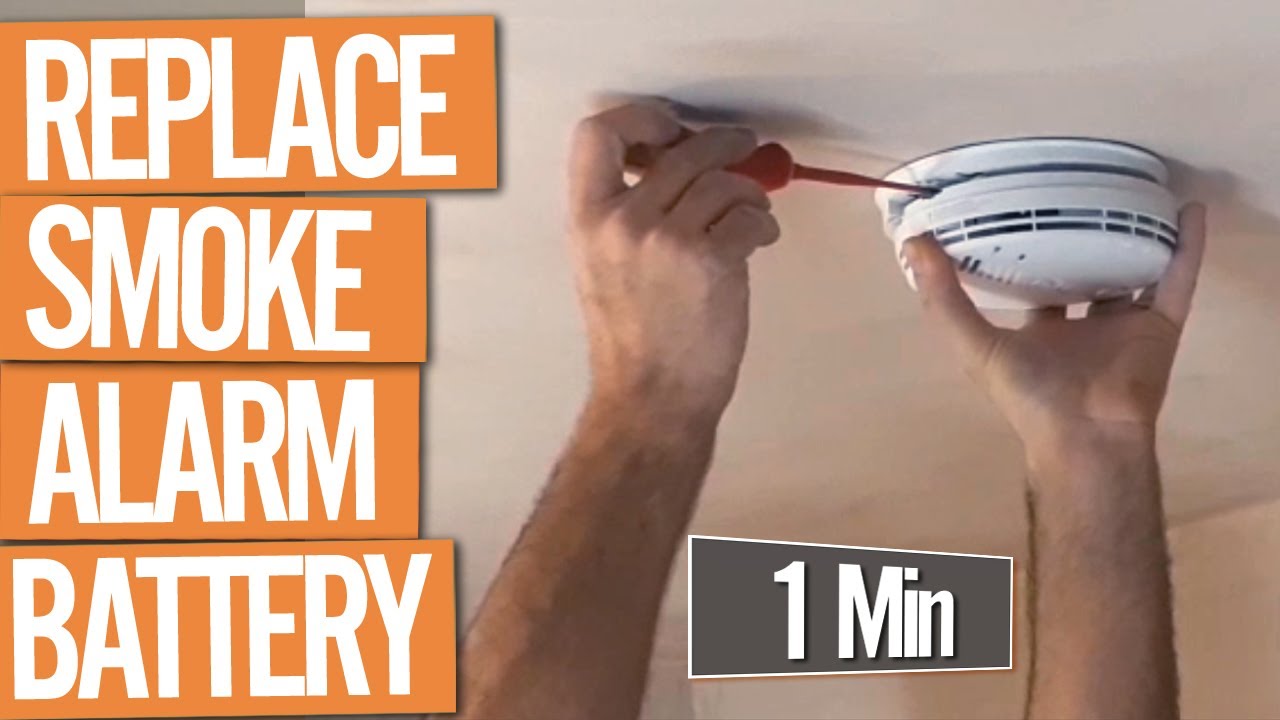
Others have a small screw, usually on the side, that secures them to the mounting plate. This is where your trusty Philips head comes in. Unscrew it. Don't drop the screw into the abyss of your carpet; it will immediately evolve camouflage and be lost forever.
Once it’s unlatched or unscrewed, the unit should either dangle by a wire (if it's hardwired into your home's electricity – don't touch the wires!) or come completely free. If it's hardwired, you'll be removing the battery from the unit itself. If it's battery-only, you've got the whole thing in your hands.
The Grand Finale: Battery Extraction!
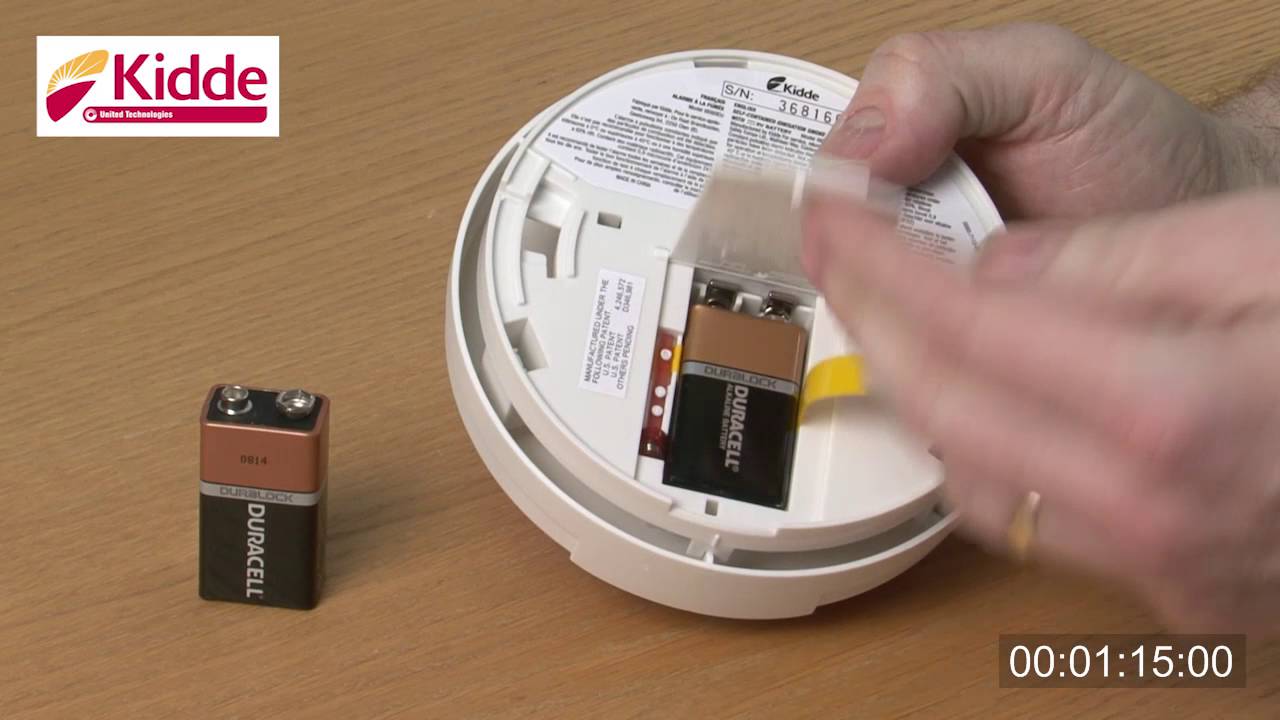
Now that you have the alarm unit in your grasp, look for a small compartment or a slide-out tray. It usually has a little arrow or a tiny diagram indicating how to open it. Pry it open, slide it out, or lift a small flap.
And there it is! The 9-volt battery, looking all innocent. It's usually a rectangle with two little nubs on top. This is the source of all your 3 AM woes. With a triumphant flourish (or a weary sigh), grasp the battery and pull it out. Sometimes it's snug, so a gentle wiggle might be needed.
The moment that battery is disconnected, listen. Hear that? It’s the sound of absolutely nothing. The sweet, sweet, glorious, unadulterated silence. You did it! You are a hero. A silent, sleepy, screwdriver-wielding hero.

The Aftermath: Don't Forget the Encore
Now, while the temptation might be to spike that offending battery like a football and immediately dive back into bed, hold your horses. You've disabled a life-saving device. Your work isn't done forever.
The very next day (after you've had some coffee and maybe a nap), make a note to buy a fresh 9-volt battery. Install it in the alarm, reattach the unit to the ceiling, and give it a quick test press. You should hear a short, healthy chirp, confirming it's back in business.
Regular battery replacement (usually once a year, often when you change your clocks for daylight saving) prevents these middle-of-the-night skirmishes. But for tonight, bask in the tranquility. You've wrestled with the demon of the domicile and emerged victorious. Now, go win that argument with the squirrel.