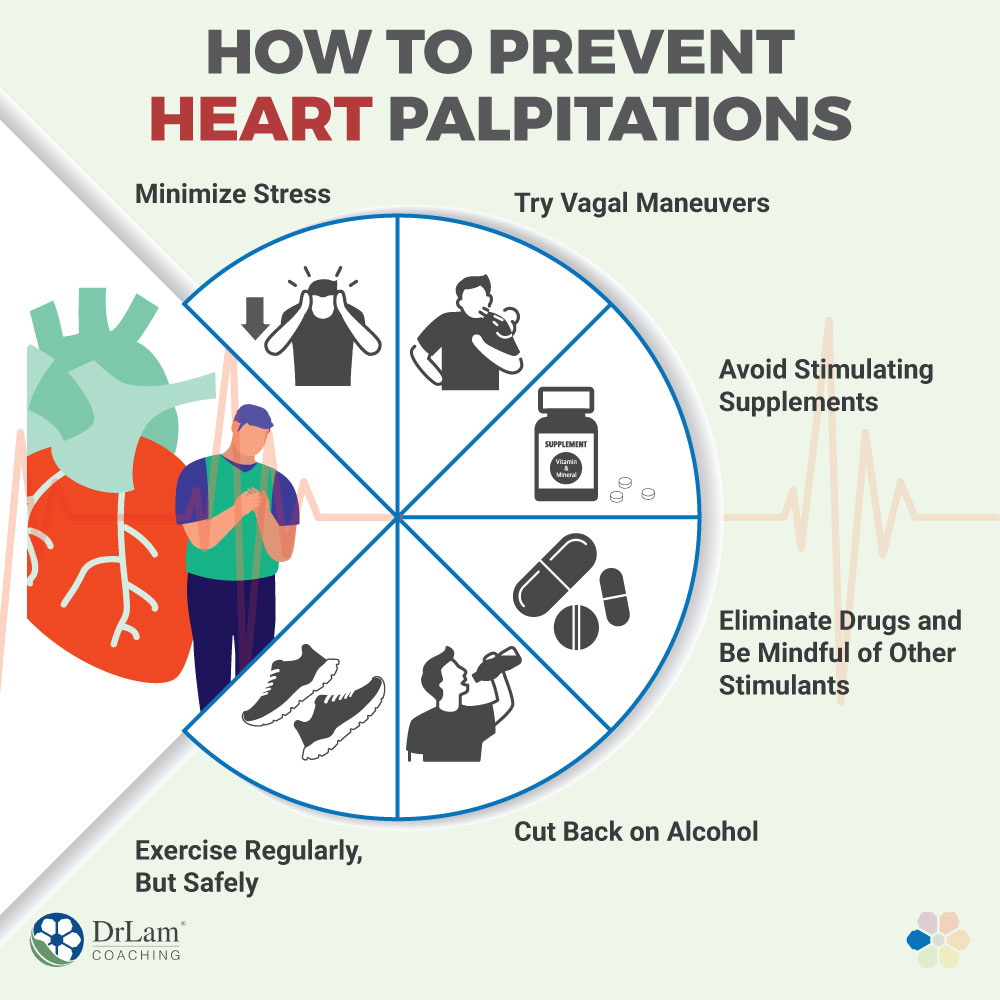
How To Stop Heart Palpitations On Keto
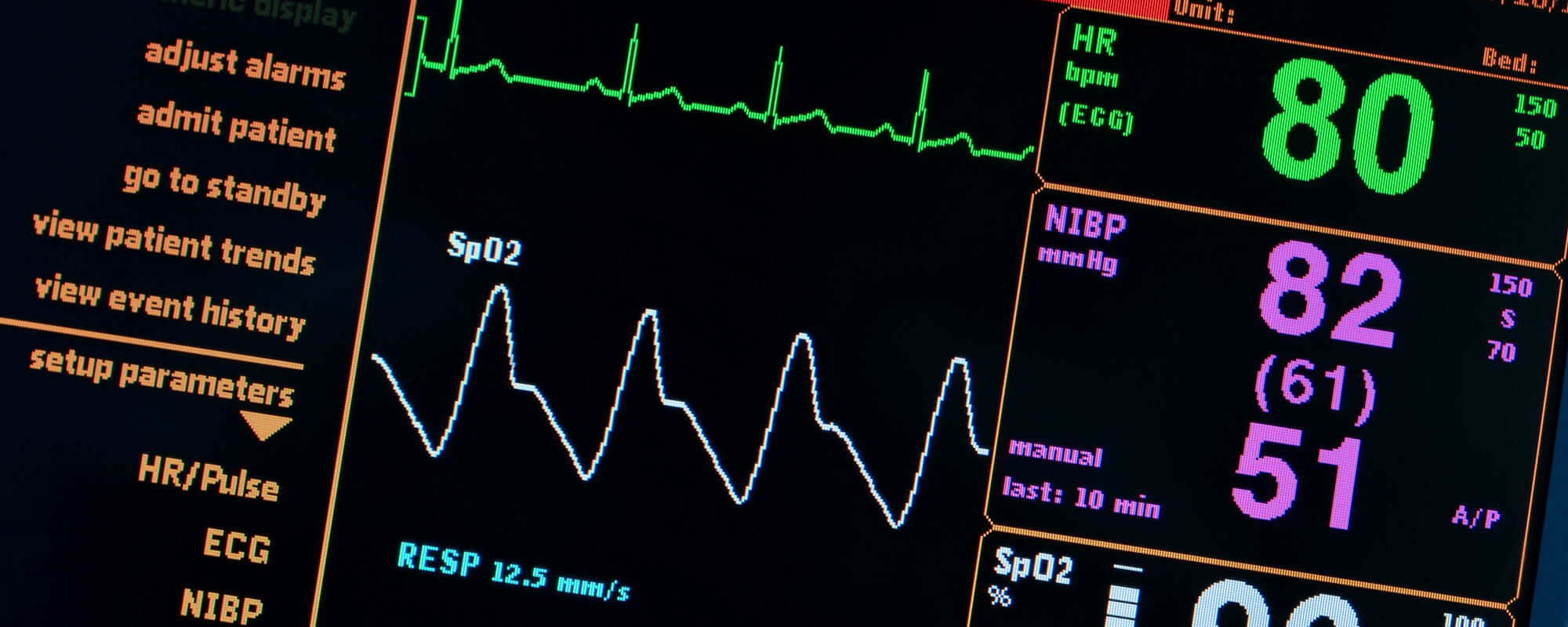
Okay, so you're rocking the keto life, feeling all energized and maybe even shedding a few pounds. But wait, what's that fluttery feeling in your chest? Heart palpitations on keto? Yikes! Don't panic. It's actually a pretty common experience, and usually not a cause for major alarm. Think of it like your body throwing a mini-rave as it adjusts to this new fuel source.
But what exactly are heart palpitations? Imagine a hummingbird trapped in your chest. That's the general vibe. They can feel like skipped beats, extra beats, a racing heart, or just a general awareness of your heartbeat that you didn't have before. Are they fun? Not really. Are they usually dangerous on keto? Often not, but it’s always smart to listen to your body and, if in doubt, chat with your doctor.
Why the Flutter? The Keto Connection
So, why does keto sometimes make your heart do the tango? Well, there are a few key culprits:
Must Read
- Electrolyte Imbalance: This is the biggest suspect. When you cut carbs, your body sheds water like a leaky faucet. And with that water, go electrolytes like sodium, potassium, and magnesium. Think of electrolytes as the orchestra conductors of your heart. If they're out of sync, the music (your heartbeat) gets a little wonky. It’s like trying to play a guitar with loose strings.
- Dehydration: Going hand-in-hand with electrolyte imbalance, dehydration can also trigger palpitations. Keto can have a diuretic effect, meaning you pee more. More peeing = more fluid loss. A dehydrated heart is a grumpy heart.
- Stress (The Keto Adjustment): Your body is essentially switching from burning sugar to burning fat. That's a big deal! This metabolic shift can cause stress, which, you guessed it, can lead to palpitations. It's like moving from a comfy couch to a high-performance sports car. There’s an adjustment period.
- Caffeine & Stimulants: Many people on keto reach for caffeine or other stimulants to boost energy. While these can be helpful in moderation, too much can rev up your heart rate and trigger palpitations. Think of it as adding too much spice to your dish.
The Stop-the-Flutter Toolkit: How to Calm Your Heart
Alright, enough about the why. Let's talk about solutions! Here are some tried-and-true methods to help calm your fluttering heart:
1. Electrolyte Replenishment: This is your number one priority. Get those electrolytes back in balance! Here's how:
- Sodium: Don't be afraid to salt your food! Seriously. Use a good quality sea salt or Himalayan pink salt. Broth, like bone broth, is also a fantastic source.
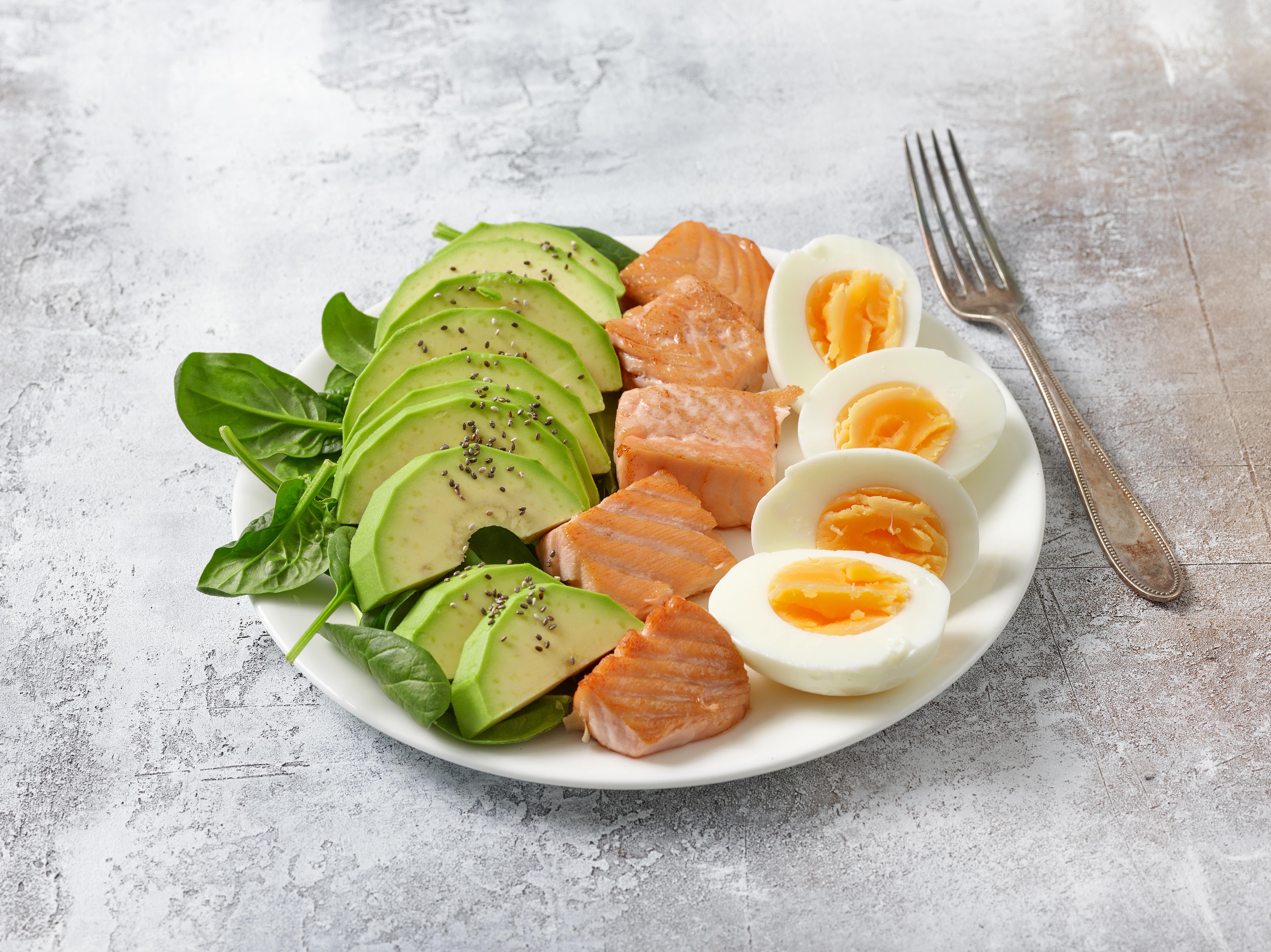
- Potassium: Avocado is your keto-friendly potassium powerhouse! Spinach, mushrooms, and salmon are also good options. You can also consider a potassium supplement, but always talk to your doctor first.
- Magnesium: Magnesium is super important for heart health. Leafy greens, nuts, and seeds are good sources. You can also take a magnesium supplement, like magnesium citrate or glycinate. Note: Magnesium can have a laxative effect, so start with a low dose.
2. Hydration, Hydration, Hydration! Drink plenty of water throughout the day. Add a pinch of salt to your water for an extra electrolyte boost. Aim for clear urine as a sign of adequate hydration. Think of it as giving your heart a nice, refreshing bath.
3. Manage Stress: Keto is a lifestyle change, and change can be stressful. Incorporate stress-reducing activities into your routine, like:

- Meditation: Even just 5-10 minutes a day can make a difference.
- Yoga: Gentle stretching and breathing exercises can calm your nervous system.
- Spending Time in Nature: A walk in the park can do wonders for your stress levels.
- Adequate Sleep: Aim for 7-8 hours of quality sleep each night. Sleep is where your body repairs and recharges.
4. Caffeine Awareness: If you're a caffeine fiend, consider cutting back or switching to decaf. Monitor how caffeine affects your heart rate. It’s all about finding your sweet spot.
5. Rule Out Other Causes: While heart palpitations on keto are often related to the reasons mentioned above, it's important to rule out other potential causes. If you have a history of heart problems, or if the palpitations are severe, frequent, or accompanied by other symptoms like chest pain, dizziness, or shortness of breath, see a doctor immediately. Better safe than sorry!

6. Gradual Keto Adaptation: Don't dive headfirst into keto. A more gradual transition can help your body adjust more smoothly and reduce the likelihood of palpitations. Think of it as easing into a warm bath instead of jumping into a freezing pool.
Heart palpitations on keto can be unsettling, but they're usually manageable with some simple lifestyle adjustments. Focus on electrolyte balance, hydration, stress management, and caffeine awareness. And remember, your body is unique. What works for one person may not work for another. Experiment, listen to your body, and find what works best for you. Happy keto-ing, and may your heart beat strong and steady!