How To Stop Hardwired Smoke Detector From Beeping

Ever been there? You’re cozily nestled on the couch, perhaps engrossed in a good book or your favorite show, when suddenly, a faint, insistent “beep… beep… beep…” punctures the silence. It’s the dreaded smoke detector, and it’s not letting up. But what if it’s one of those hardwired models, not just a simple battery swap? Learning how to quiet this domestic alarmist isn't just about restoring peace; it's a delightful dive into understanding a fundamental piece of your home's safety system, and frankly, a skill that brings immense satisfaction.
The primary purpose of a hardwired smoke detector is, of course, to alert you to the presence of smoke, potentially saving lives. Unlike their battery-only counterparts, hardwired detectors are connected directly to your home's electrical system, offering continuous power and often interconnected functionality – if one goes off, they all go off. The benefits of knowing how to troubleshoot a beeping one are multifold. Firstly, it allows you to quickly restore a tranquil environment. More importantly, it helps you determine if the beep signifies a genuine malfunction, a low backup battery, or simply a need for a quick reset. This knowledge empowers you to maintain your home’s safety features effectively, ensuring they’re always ready to protect you when it truly matters, rather than just being a noisy nuisance.
In our daily lives, this skill can be incredibly useful. Imagine you’ve just moved into a new place and a detector starts chirping after a power flicker – knowing how to reset it can save you an immediate service call. Or perhaps you’re a homeowner maintaining an older property; understanding that a persistent beep might mean the unit has reached its end-of-life (they usually last about 10 years) allows for timely replacement, keeping your family safe. In an educational context, exploring how these devices work can spark curiosity about home electricity and basic troubleshooting. It’s a fantastic, low-stakes way to learn about circuits, sensors, and the importance of routine maintenance for critical safety equipment. It teaches us patience and methodical problem-solving, turning a frustrating beep into a mini science lesson.
Must Read
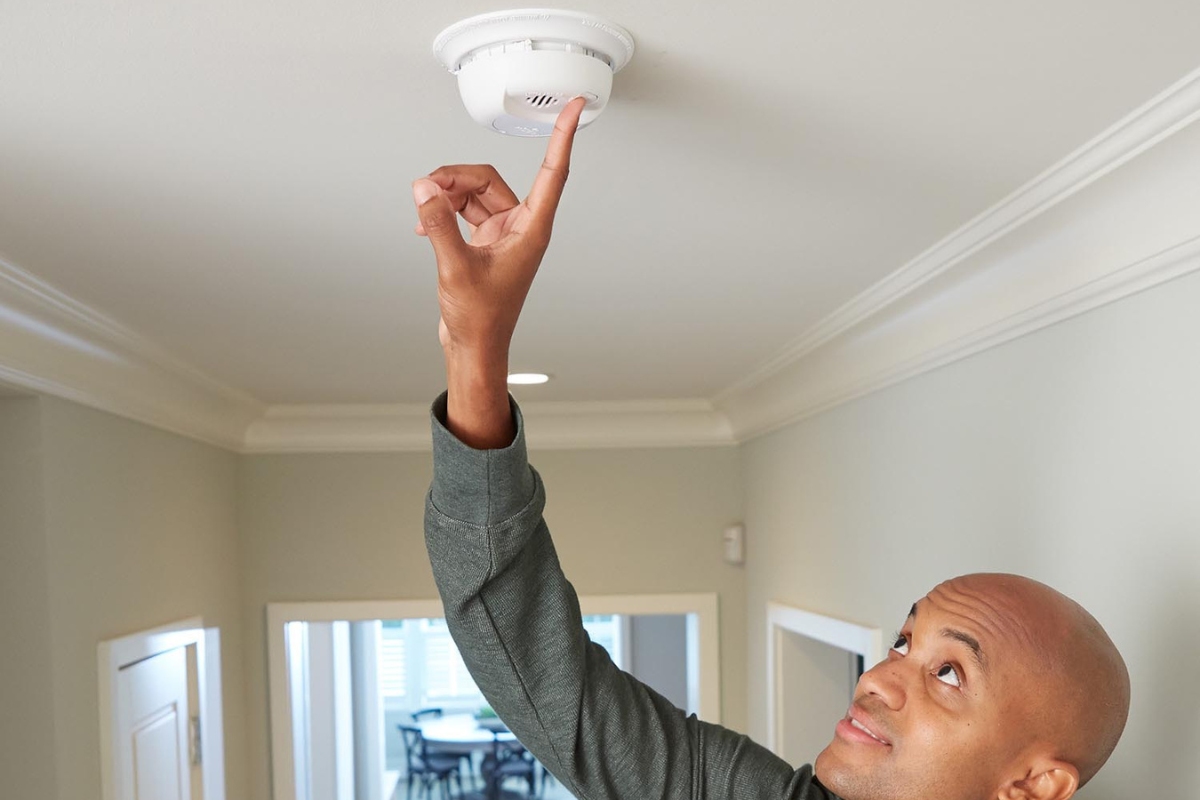
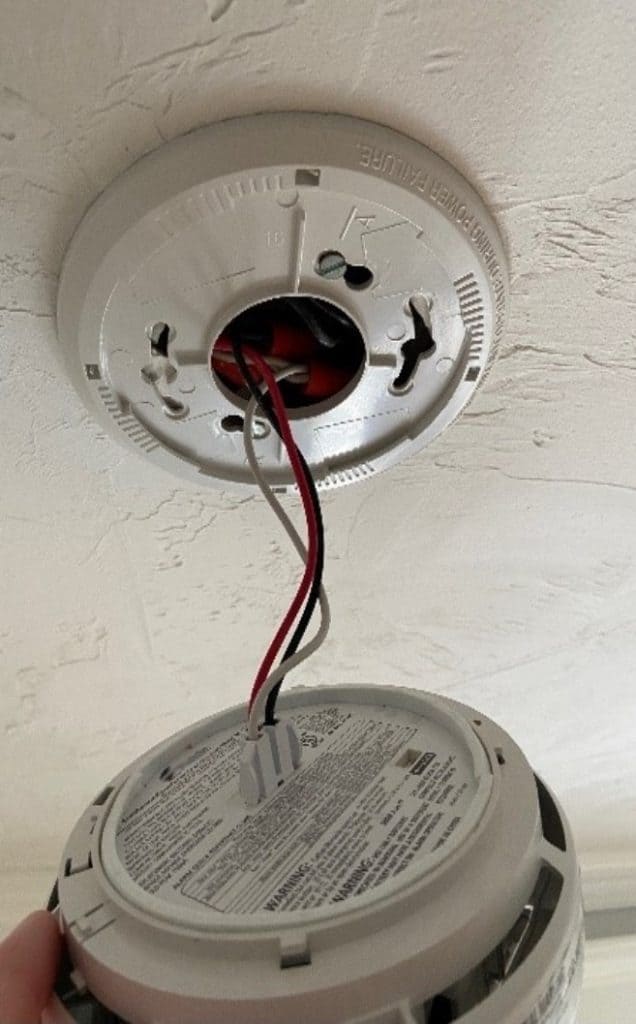
So, how do we quiet the beast? Let's explore some practical steps. First, even hardwired detectors usually have a 9V backup battery. Start by gently twisting the detector counter-clockwise to remove it from its mounting plate, then swap out that battery. Sometimes, that’s all it takes! If the beeping persists, locate the test/reset button on the unit; pressing and holding it for 15-20 seconds can often clear a false alarm or a temporary glitch. Another common culprit is dust accumulation inside the sensor chamber. Carefully use a can of compressed air to clear any debris. For a more stubborn beep, especially after a power outage, you might need to perform a full power cycle. This involves turning off the corresponding circuit breaker for the detectors (usually labeled "Smoke Alarms" or a general living area circuit), waiting a minute or two, and then flipping it back on. Always remember to prioritize safety: turn off the power at the breaker before doing any physical work on the unit! If, after all these steps, the beeping continues or the unit is clearly past its prime (check the manufacture date on the back), it’s probably time for a replacement. A little curious investigation can turn that annoying beep into a triumphant silence, and a safer home.