How To Stop Flood Water From Entering House Diy
There's something uniquely satisfying about taking matters into your own hands, isn't there? Whether it's assembling flat-pack furniture (and only having one screw left over!), fixing a leaky faucet, or even baking your own bread, the world of DIY offers a sense of accomplishment that store-bought solutions often can't match. It’s about feeling capable, prepared, and ready for whatever life throws at you. And when it comes to safeguarding your sanctuary from something as unpredictable as floodwaters, that DIY spirit transforms into a superpower!
The beauty of learning how to stop floodwater from entering your house isn't just about saving your precious belongings from a soggy fate, though that's a huge bonus. It's about securing your peace of mind. Knowing you have a plan, a strategy, and the tools to execute it, dramatically reduces the anxiety that comes with looming weather forecasts. This isn't just a home maintenance chore; it’s an investment in your safety, your memories (goodbye, ruined photo albums!), and your financial well-being, potentially saving you thousands in costly repairs and insurance deductibles. It empowers you to be your home's first line of defense, a true guardian of your domain.
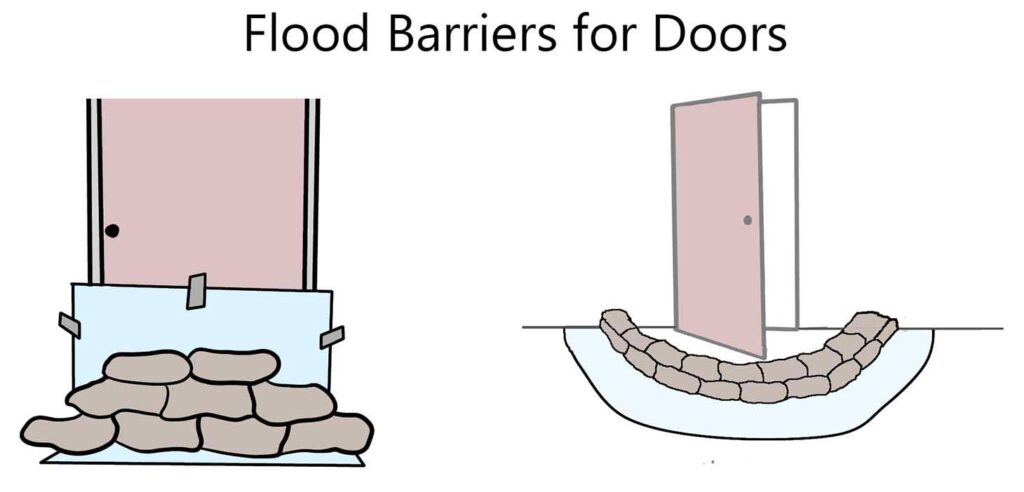
So, how do everyday people become these unsung flood-fighting heroes? It often starts with simple, accessible methods. Think of the classic image of sandbags – piled strategically against doors and low-lying windows, they form a formidable barrier. But the DIY repertoire extends further! People employ heavy-duty plastic sheeting, secured with duct tape or weighted down, to seal vulnerable areas. You might see clever creations like "door dams" or water-filled barriers designed to divert water, or even the strategic placement of plywood sheets to block larger openings. The common thread? Ingenuity and a desire to protect what matters most.
Must Read
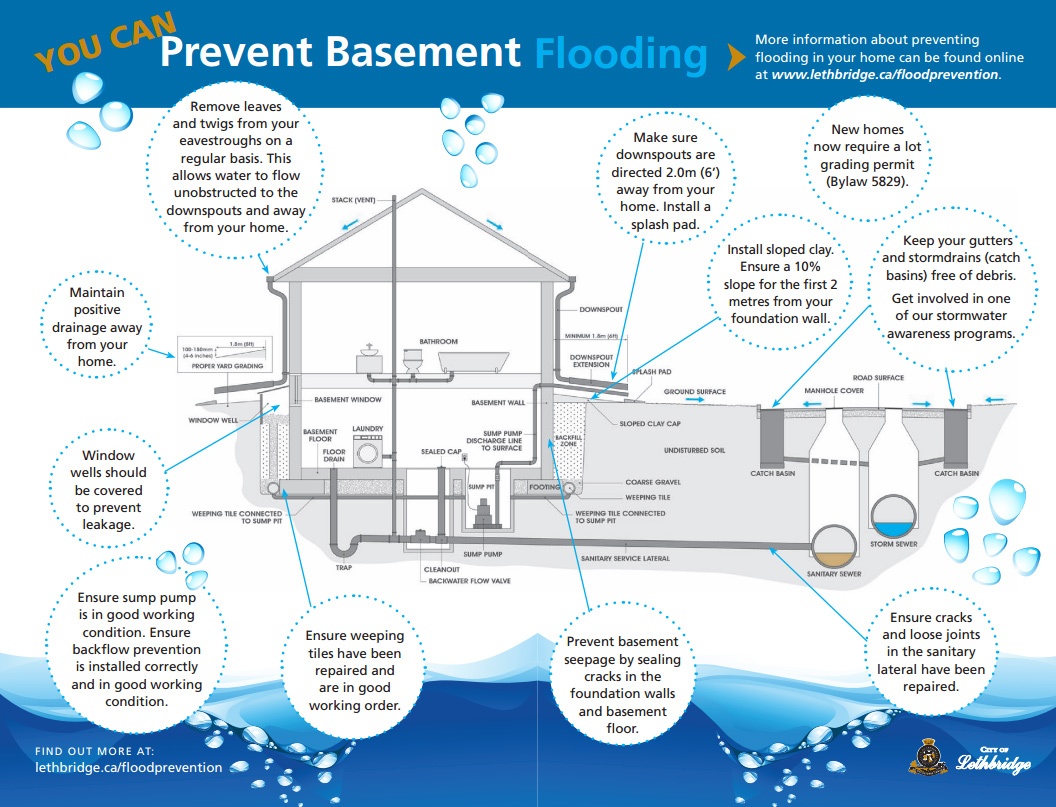
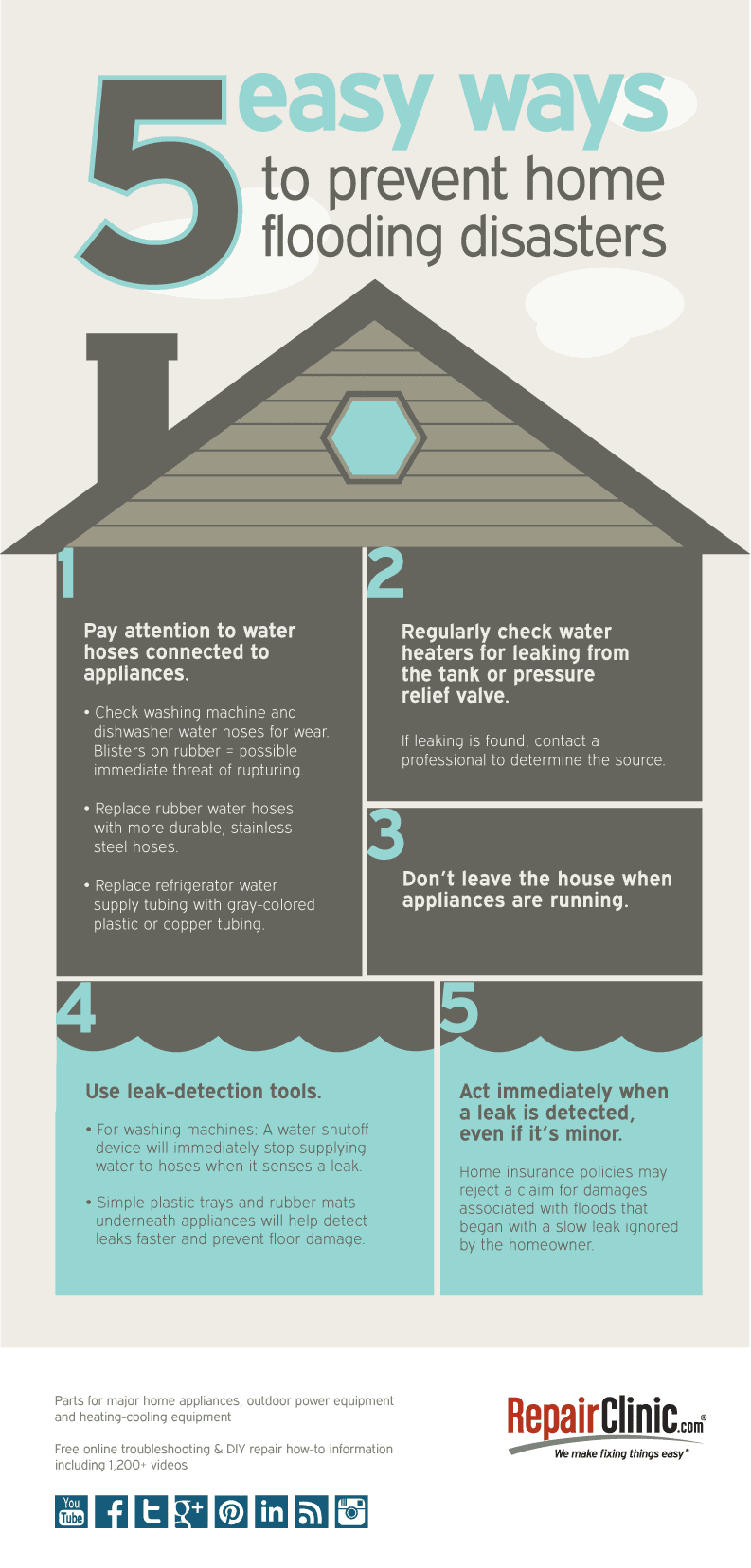
Ready to embrace your inner flood-prevention guru? Here are some practical tips to make this empowering activity even more effective. First, don't wait for the rain to fall. Walk around your house now and identify potential entry points: basement windows, ground-level doors, garage entrances, even small cracks in the foundation. Knowledge is power! Second, start building your "flood readiness kit" incrementally. You don't need a warehouse full of supplies overnight, but having a few rolls of heavy-duty plastic, some industrial-strength duct tape, and a few bags of sand or quick-expanding flood barriers stored away can be a lifesaver. Thirdly, consider creating a simple, easily accessible diagram or "battle plan" for your family. Where do the sandbags go? Which windows need sealing? Knowing the drill beforehand saves crucial minutes and reduces panic when every second counts. Lastly, remember that prevention is often better than reaction. Ensuring your gutters are clean, your downspouts direct water away from the foundation, and your yard slopes away from the house are all crucial, ongoing DIY tasks that reduce flood risk significantly. By preparing effectively, you're not just stopping water; you're cultivating a sense of calm and control, even in the face of nature's fury.