
How To Stop A Chirping Smoke Detector
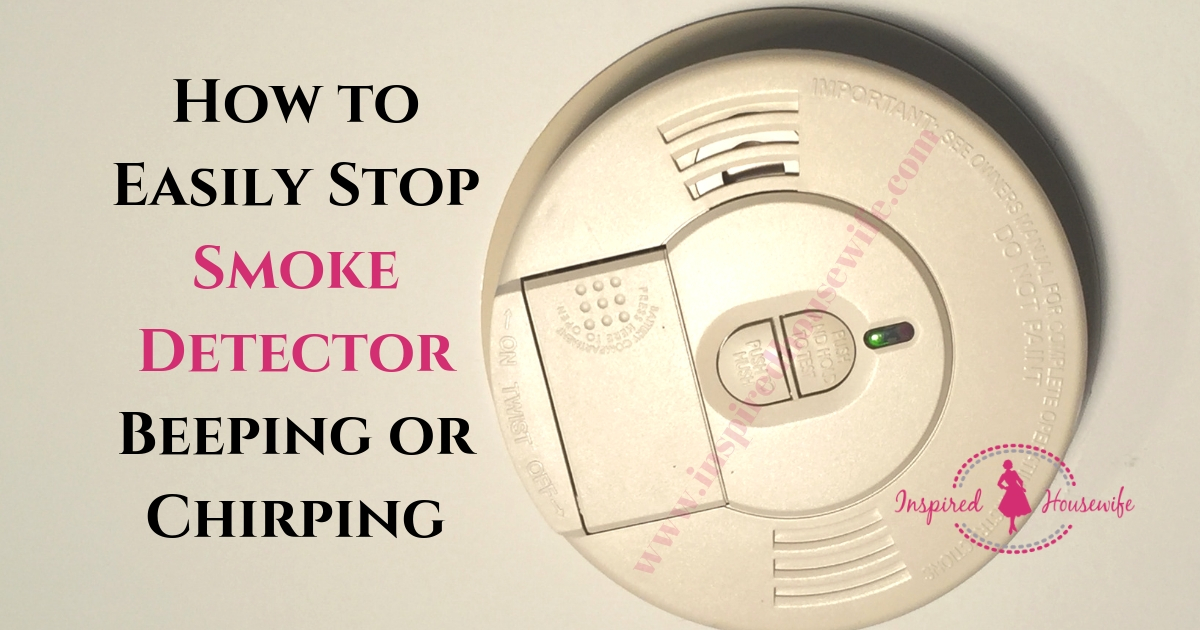
Ah, the unmistakable sound. That single, insistent chirp. It starts subtly, a quiet whisper in the dead of night, then escalates into a persistent, soul-gnawing call for attention. We're talking, of course, about your smoke detector, broadcasting its tiny, yet mighty, distress signal. It’s a sound that can launch you from a blissful sleep, send your pets into a frenzy, and turn even the most zen individual into a frantic detective, flashlight in hand, scanning the ceilings.
Fear not, weary traveler of the night! You are not alone in this battle against the relentless beep. This isn't just a guide; it's a camaraderie for anyone who's ever felt personally victimized by an inanimate object designed for their safety. Let's silence that siren and reclaim your peace.
Why the Heck Is It Chirping? The Usual Suspects
Before you start plotting its demise, let's understand the "why." A chirping smoke detector is almost always trying to tell you something important. Think of it as its own quirky, Morse code for "Help me!"
Must Read
- Low Battery: This is the numero uno culprit, the most common offender. Your detector is telling you its power source is dwindling, like a tiny electronic vampire running on fumes.
- Dust Accumulation: Believe it or not, a little fuzz can confuse these sensitive devices, triggering false alarms or, you guessed it, a chirp.
- End of Life: Yes, even smoke detectors have a lifespan, typically 10 years. After a decade of faithful service, they start to get a bit... wonky. It's their way of politely asking for retirement.
- False Alarm Reset: Sometimes, after detecting a legitimate (or not-so-legitimate, like burnt toast) threat, the unit might need a manual reset to settle down.
- Interconnected Units: If you have multiple detectors, one might be silently failing, but signaling its distress through another unit. It’s like a secret handshake of sorrow.
Operation Silence: Your Step-by-Step Guide to Quiet
Alright, let's get down to business. Here’s how to bring blessed quiet back into your abode without calling in the cavalry.
1. Pinpoint the Offender
This sounds easy, but in a multi-detector home, the chirp can bounce off walls, creating an acoustic illusion. Go room by room, listening closely. Don't be afraid to get a little close and personal with your ceiling. The loudest chirper is your target.
2. The Temporary Mute (Your First Responder)
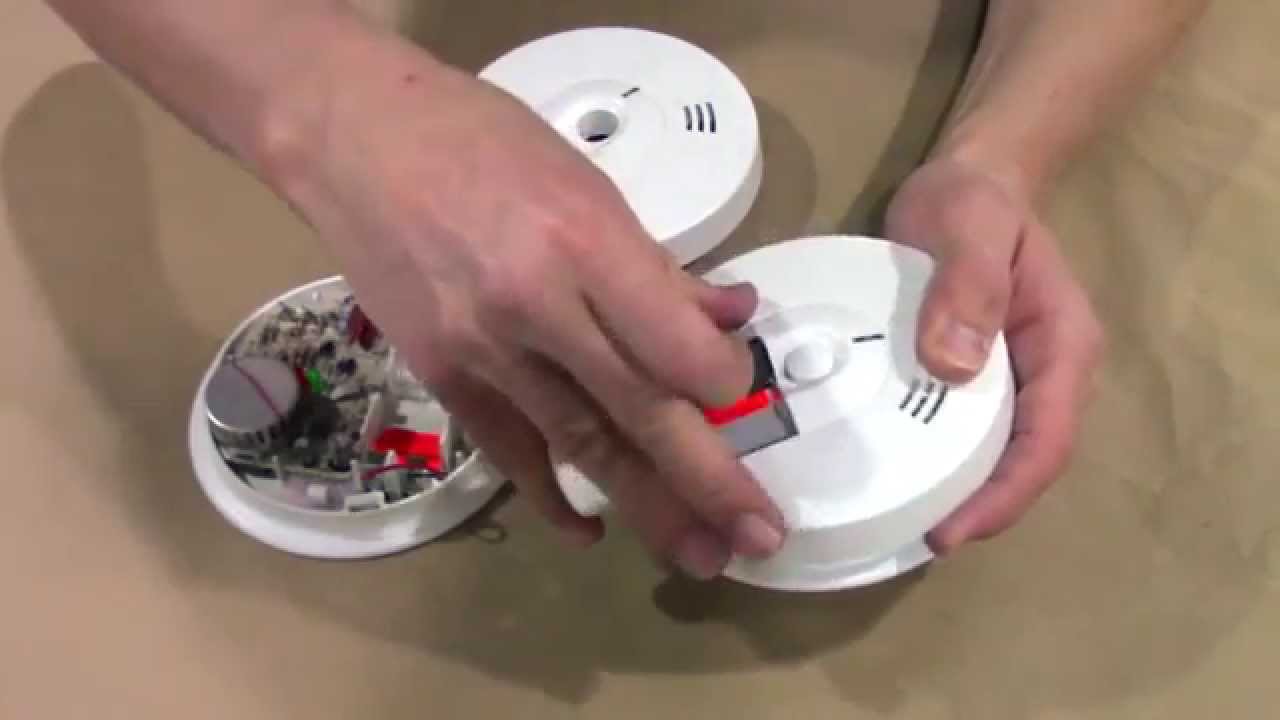
Many modern smoke detectors have a "hush" or "test/silence" button. Give it a firm press. This often mutes the alarm for a few minutes, giving you a moment of sanity to gather your tools. It’s like hitting snooze, but for a life-saving device.
3. The Mighty Battery Swap
This is where the magic happens. Grab a sturdy step stool or a small ladder. Safety first: always have a stable base!
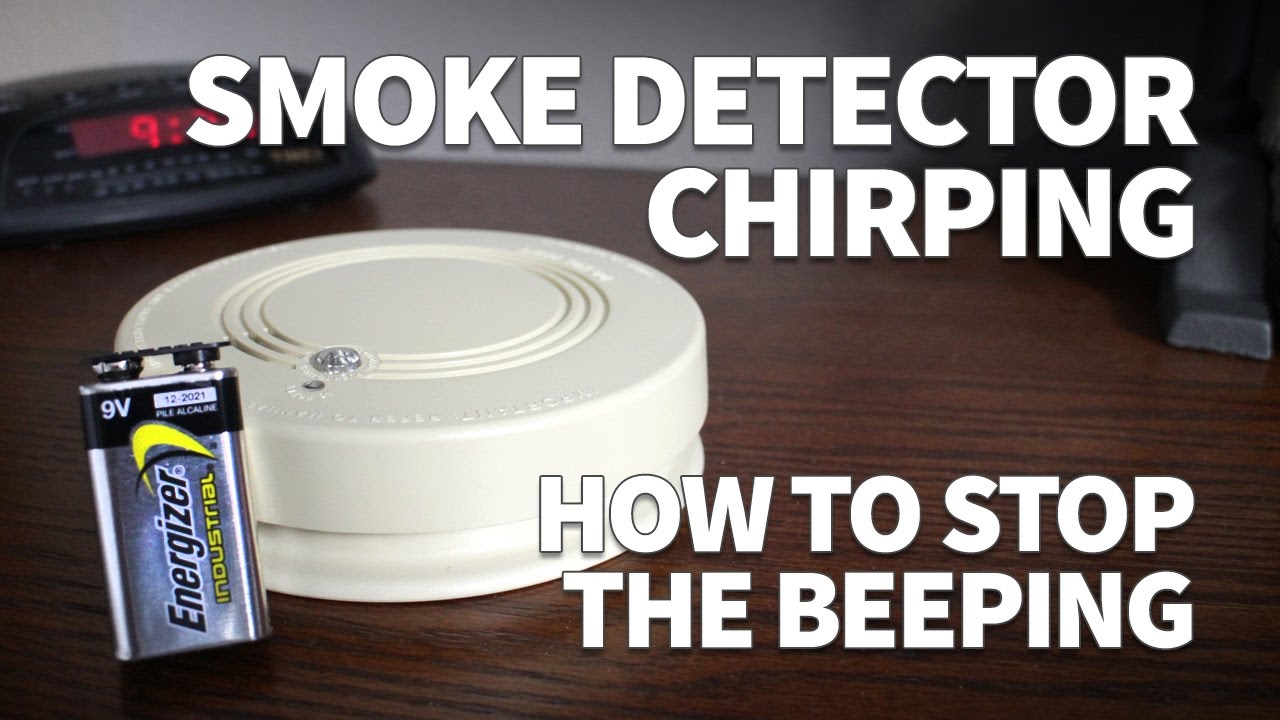
- Access the Battery: Most detectors twist off their mounting bracket or have a small latch. Open the battery compartment.
- Identify the Type: It’s usually a 9-volt battery (that rectangular one with two terminals) or a couple of AA or AAA batteries. Take note, or better yet, snap a pic!
- Swap 'Em Out: Pop out the old battery. Take a moment to silently thank it for its service. Insert a fresh, new one. We recommend keeping a stash of spare batteries just for this purpose – a true adulting power move.
- Pro Tip: Write the date of installation on the new battery with a marker. Future you will thank past you for this foresight.
4. Reset and Reattach
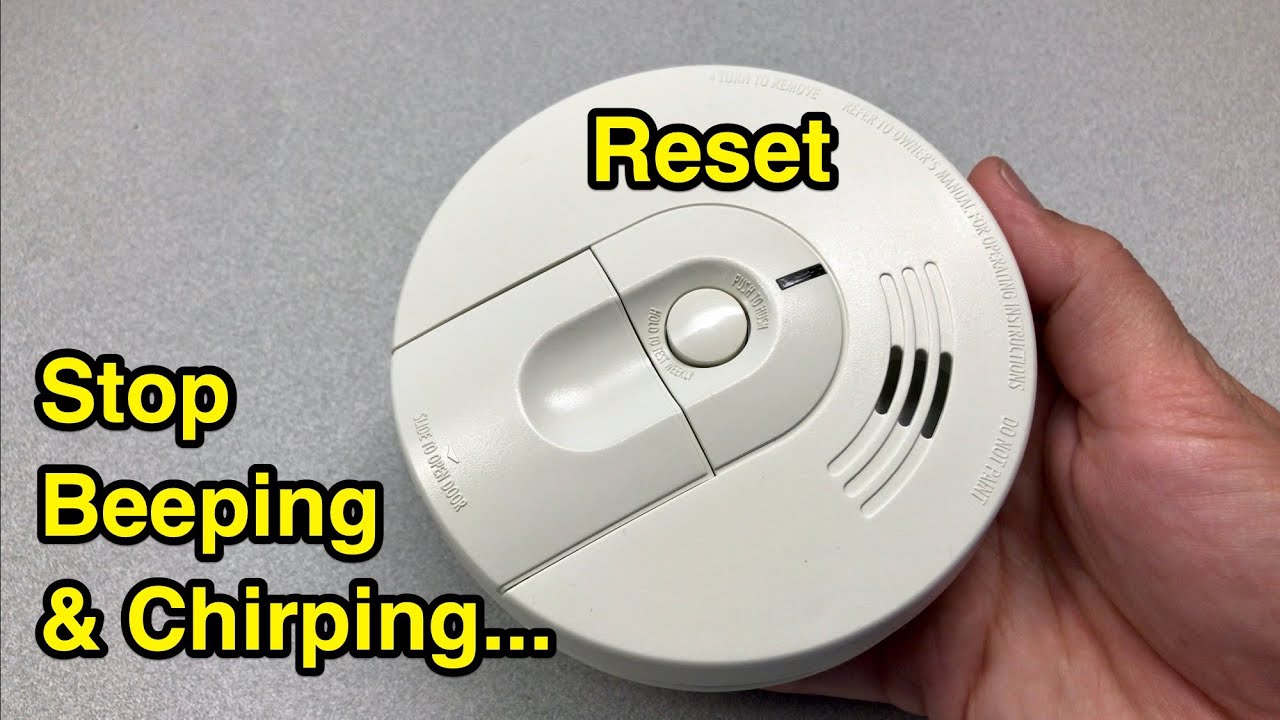
Once the new battery is in, reattach the detector to its base. It might chirp once or twice as it powers up and performs a self-test. This is normal. If it continues chirping after a minute or two, try pressing the test/silence button again. For hardwired units, you might also need to momentarily cut power at your circuit breaker for a full reset (just make sure you know which breaker controls it!).
5. Give It a Good Clean
While it’s off the ceiling, grab a can of compressed air or your vacuum cleaner's brush attachment. Gently clean around the vents and openings. Dust is a notorious trickster, often mimicking smoke particles and causing unnecessary alerts.
6. Check the Expiry Date
Look on the back of the detector for a manufacturing or expiration date. Most units are good for 10 years. If yours is older, it's time for a replacement. Think of it as an upgrade – newer models often have better features and longer-lasting batteries!
The Proactive Play: Keeping the Chirps at Bay
To avoid future middle-of-the-night serenades, make these a habit:
- Test Monthly: Push that "test" button every month. A loud, continuous alarm means it's working.
- Change Batteries Bi-Annually: A great trick is to change your batteries when you change your clocks for Daylight Saving Time. "Spring forward, fall back, change your batteries!" It’s a classic for a reason.
- Dust Periodically: A quick vacuum swipe every few months keeps those sensors clear.
A Small Victory, A Big Impact
Silencing that insistent chirp might seem like a small task, but the restoration of peace and quiet is profound. It’s a little reminder that addressing the small annoyances in life, whether a beeping detector or a looming chore, often brings a disproportionate amount of relief and a clearer head. So, next time that chirp starts, remember: you've got this. And soon, sweet silence (and safety!) will be yours once more.
