How To Stabilize A Table With Hairpin Legs
Ah, the allure of hairpin legs. Those slender, minimalist beauties that promise to transform any slab of wood into a chic, mid-century modern masterpiece. You envision it: a stylish coffee table, a perfectly proportioned desk, maybe even a quirky side table for your ever-growing collection of succulents. But then reality bites. The wobble.
That infuriating, uneven dance a table with hairpin legs performs when you dare to place anything – even a feather – on its surface. Fear not, fellow design enthusiast! Stabilizing these leggy wonders is simpler than you think. Think of it as your little DIY secret weapon. Let's dive in.
The Culprits Behind the Wobble
Before we grab our toolboxes, let's diagnose the issue. Several factors contribute to hairpin leg instability:
Must Read
- Uneven Floors: The most common offender. Our homes, charming as they are, are rarely perfectly level. Blame it on settling foundations or maybe just slightly enthusiastic dancing sessions.
- Leg Installation: Were the legs meticulously aligned during installation? A slight angle difference can throw the whole thing off.
- Weight Distribution: Is the tabletop evenly weighted? An imbalance can cause one or more legs to bear the brunt of the load.
- Leg Quality: Not all hairpin legs are created equal. Cheaper options might be more prone to bending or flexing.
Your Wobble-Busting Toolkit
You probably have most of these items already:

- Level: A small spirit level is your best friend.
- Shims: These thin wedges of wood or plastic are the unsung heroes of furniture stabilization. You can buy them pre-made, or get creative with cardboard or felt pads.
- Measuring Tape: Precision is key!
- Screwdriver/Drill: For tightening or re-positioning legs.
The Art of Shimming: The Elegant Solution
This is often the easiest and most effective fix. Think of it as giving that short leg a little boost, a subtle elevation to join the party.
- Identify the Culprit: Place the table on a level surface (or as level as you can find). Use your level to pinpoint which leg(s) are causing the wobble.
- Shim Strategically: Gently slide a shim under the offending leg. Start with a thin shim and gradually increase the thickness until the table is stable. Don't overdo it! Too much shimming can put stress on the other legs.
- Trim (Optional): If the shim is visible, you can carefully trim it with a utility knife or scissors for a more polished look.
Pro-Tip: For a more permanent solution, consider using felt pads instead of shims. They're less likely to slip and can also protect your floors. Apply them directly to the bottom of the legs.
When Shimming Isn't Enough: More Advanced Techniques
Sometimes, a simple shim won't cut it. If the problem persists, you might need to investigate further.
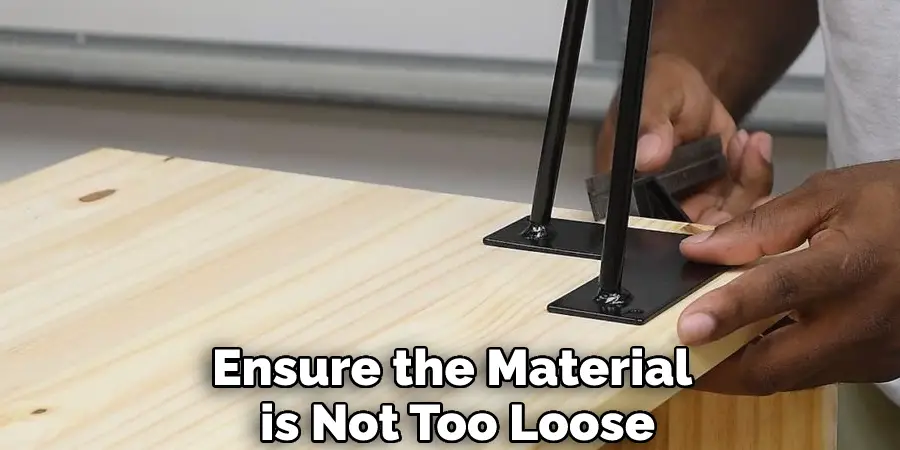
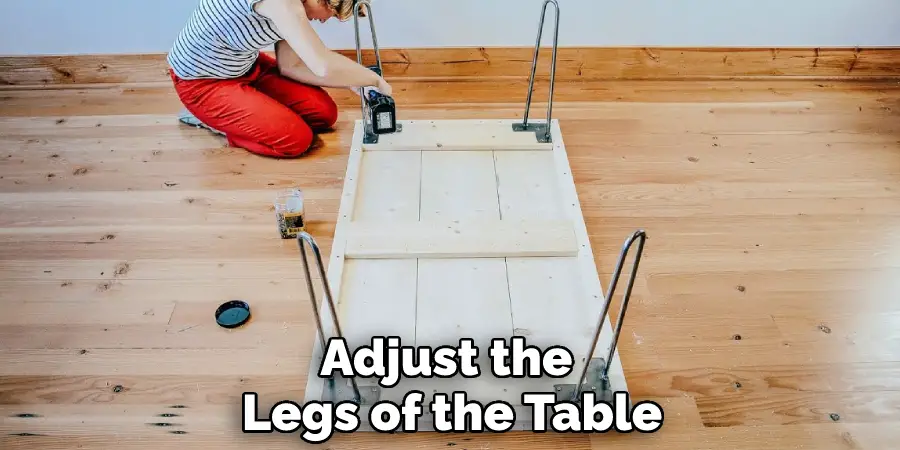
- Check Leg Alignment: Use a measuring tape to ensure that all legs are the same distance from the edge of the tabletop. If not, carefully loosen the screws and adjust the leg position.
- Tighten Screws: Loose screws are a common cause of instability. Ensure that all screws are securely tightened.
- Reinforce the Legs: For heavier tabletops, consider adding metal plates or brackets to reinforce the leg attachments. This will provide extra stability and prevent the legs from bending or flexing.
The Zen of the Level Table: Connecting to the Everyday
Fixing a wobbly table might seem like a small thing, but it speaks to a larger principle: the pursuit of balance and harmony in our lives. We strive for stability, whether it's in our relationships, our careers, or our home decor. That feeling of satisfaction when you finally get that table perfectly level? It's a tiny victory, a reminder that even small adjustments can make a big difference. So go forth, conquer those wobbly tables, and embrace the zen of a balanced life.