
How To Spin Up A Snowpark Container
Alright folks, gather 'round! Ever heard of Snowpark? It's Snowflake's playground for developers, letting you code directly in your language of choice – Python, Scala, Java – right alongside your data. Pretty neat, huh? But what if you want to test your Snowpark code locally, without racking up Snowflake credits? That's where Snowpark Containers come in. Think of it as your personal sandbox.
So, what's the big deal with these containers anyway? Well, imagine you're a chef. You wouldn't want to test a new soufflé recipe in a professional kitchen during dinner rush, right? You'd want your own little space, your own mini-kitchen, to experiment and perfect it. A Snowpark Container is just like that mini-kitchen for your Snowpark code. It gives you a controlled environment to test, debug, and develop without messing with your production Snowflake environment. Cool, yeah?
Why Should You Care About Snowpark Containers?
Let's be honest, setting up local development environments can sometimes feel like wrestling an octopus. Dependencies all over the place, conflicting versions… it's a headache! Snowpark Containers aim to simplify this process. They package everything you need – the Snowpark library, a compatible Python environment (or Java/Scala, depending on your language), and even some pre-configured connections to your Snowflake account – into a single, easily deployable unit. Think of it like a ready-to-bake cake mix – just add water (or, in this case, your code!) and you're good to go.
Must Read
Another major plus? Cost savings! Testing directly on Snowflake can quickly eat into your budget, especially if you're constantly running and debugging code. With a local container, you can iterate quickly and efficiently without spending a dime on Snowflake credits. It’s like practicing your guitar riffs on an acoustic before plugging into a stadium amplifier.
Spinning Up Your Own Container: A (Relatively) Painless Process
Okay, let’s get down to brass tacks. How do you actually get one of these magical Snowpark Containers running? There are a couple of main approaches.
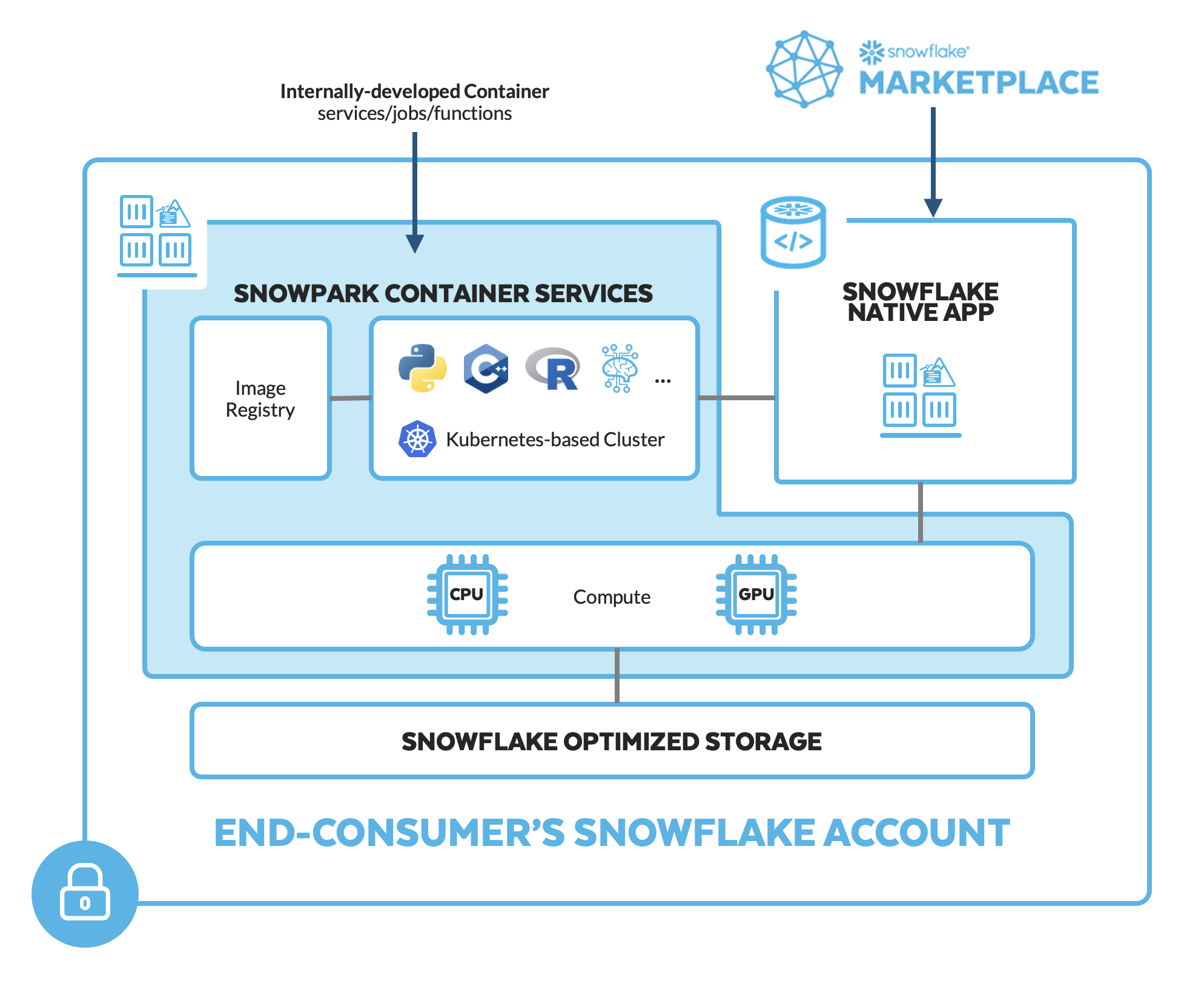
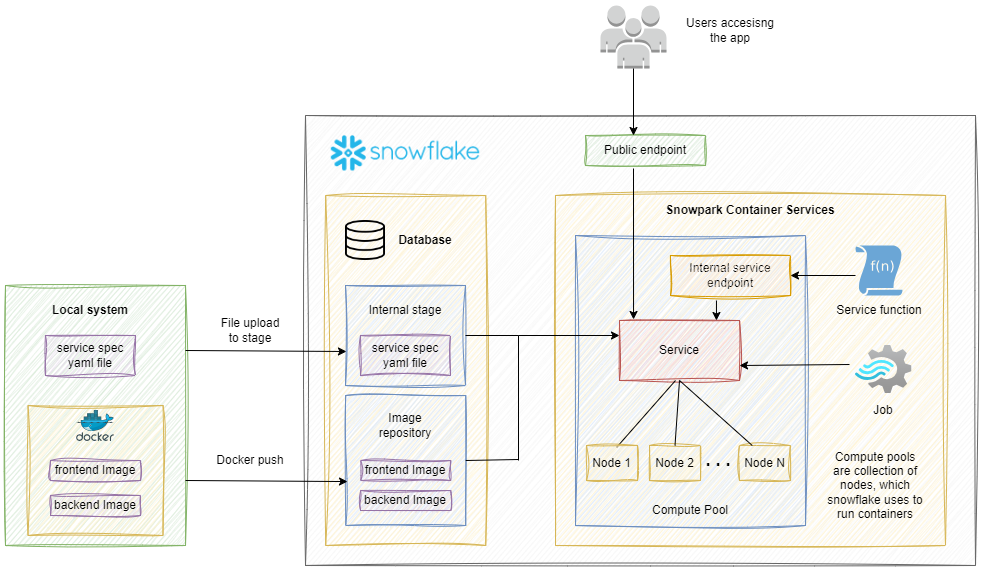
1. Docker is Your Friend (Probably): Docker is a popular platform for containerizing applications. Snowflake provides pre-built Docker images specifically for Snowpark development. If you're already familiar with Docker, this is likely the easiest route. You'll need to have Docker installed on your machine, but once you do, it's just a matter of pulling the appropriate image and running it. Think of it as downloading a pre-packaged app to your computer.
2. Using the Snow CLI: Snowflake also offers a command-line interface (CLI) called SnowSQL, which has been enhanced to help with Snowpark development, including container management. This can simplify the process even further, especially if you're not a Docker expert. It allows you to initialize, build, and run your containers with simple commands.
The specific steps will vary slightly depending on your chosen approach, but generally involve:
- Installing the necessary tools: Docker, SnowSQL, your favorite IDE.
- Configuring your Snowflake connection: Providing credentials for your account.
- Pulling or building the Snowpark container image: Getting the container onto your machine.
- Running the container: Starting it up and getting it ready to accept your code.
Sounds intimidating? Don't sweat it! Snowflake has excellent documentation and tutorials to guide you through each step. And hey, if you get stuck, the Snowpark community is super helpful. Think of it like learning a new board game – the rules might seem complex at first, but you'll get the hang of it quickly.

What Can You Do With Your Snowpark Container?
Once your container is up and running, the possibilities are pretty exciting! You can:
- Develop Snowpark applications: Write Python, Scala, or Java code that interacts with your Snowflake data.
- Test your code thoroughly: Run unit tests and integration tests to ensure everything works as expected.
- Debug your code without fear: Step through your code line by line to identify and fix any issues.
- Experiment with different libraries and frameworks: Try out new data science tools and techniques without affecting your production environment.
Basically, you've got a safe and isolated space to explore the world of Snowpark development. It's like having a personal laboratory where you can conduct all sorts of experiments without worrying about blowing anything up (metaphorically speaking, of course!).
In short, Snowpark Containers offer a fantastic way to streamline your Snowpark development process. They provide a convenient, cost-effective, and isolated environment for building and testing your code. So, why not give it a try? You might be surprised at how much easier it makes your life as a Snowpark developer!
