
How To Replace Battery Of Smoke Alarm
Alright folks, gather 'round, because we need to talk about the most nefarious, ear-splitting, and frankly, personally insulting sound in modern domestic life. No, it's not your teenager's music, nor is it the incessant bleeping of the microwave when you forget your popcorn. I'm talking, of course, about that one, single, lonely chirp that echoes through the dead of night, announcing that your smoke alarm battery has finally decided to cash in its chips.
You know the drill. It's 2 AM. You're deep in the throws of a magnificent dream where you're a superhero who can fly and also make perfect soufflés. Then, BEEP. You bolt upright, convinced it's a home invasion or perhaps the start of the robot uprising. A moment of bewildered silence. Then, BEEP. Ah, yes. The siren song of a dying 9-volt. It’s a sound designed, I swear, to make you question every life choice that led you to this moment of sleep-deprived frustration.
Why Does It Even Chirp?!
Before we embark on our heroic quest, let's briefly ponder the "why." Why can't it just... die gracefully? Why the theatrical, intermittent performance? Well, my friends, it's actually a clever design choice. That persistent chirping is your smoke alarm’s desperate plea for attention, a last-ditch effort to tell you, "Hey! My power is low, and I'm practically useless right now! Please, for the love of all that is holy, replace me before an actual fire decides to pay a visit!" It’s quite literally saving your life by annoying you into action. A truly brilliant, if somewhat passive-aggressive, system.
Must Read
Fun fact: Most smoke alarms are designed to chirp for at least 7 days before completely dying. So, you have a week of auditory torture to spur you into action. Isn't that comforting?
The Great Battery Hunt (And Other Preparations)
So, the chirping has begun. First things first, you need supplies. Your weapon of choice? Usually, a 9-volt battery. Yes, that brick-shaped power source that seems to only exist for smoke alarms and the occasional child's toy from the 90s. Now, this is where the real adventure begins. Do you have one readily available? Of course not! They're like that one specific screwdriver you need – always missing when you need it most.
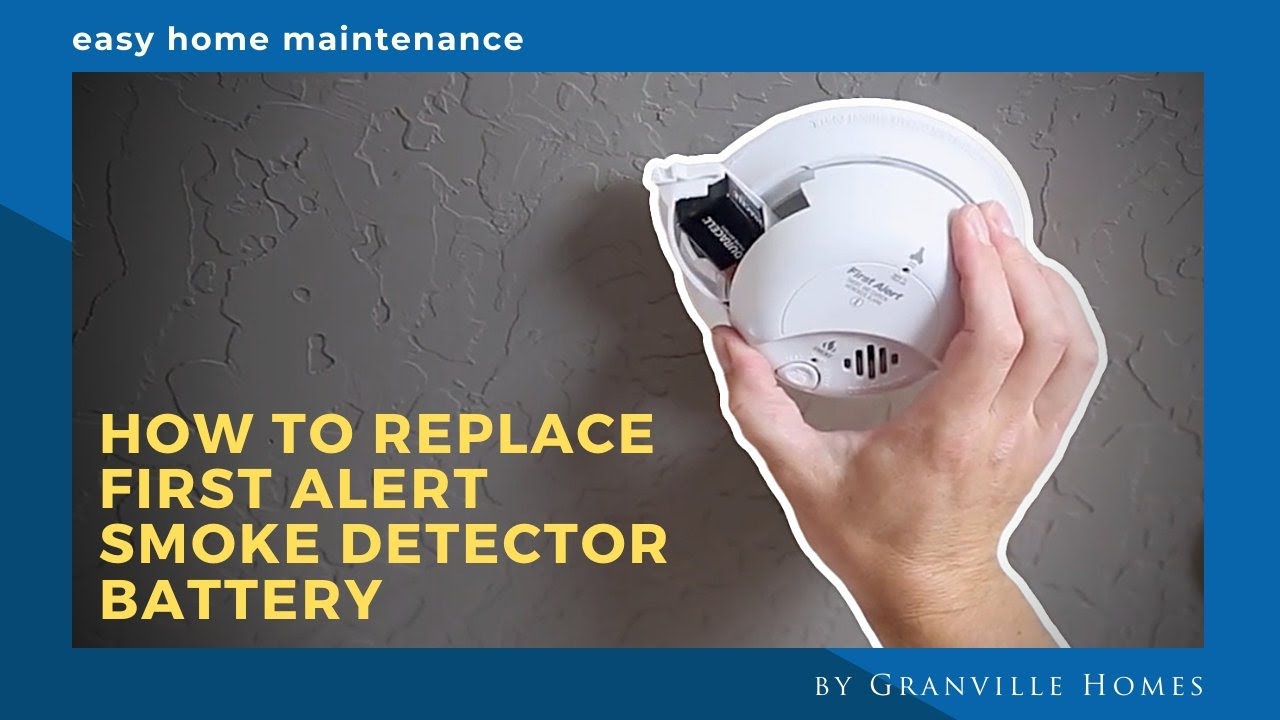
Check the junk drawer. The back of the fridge. Under the sofa cushions. If you're lucky, you'll unearth a forgotten treasure. If not, a quick dash to the local convenience store might be in order. Don't forget your other crucial tools: a sturdy chair or a stepladder (please, for the love of not-ending-up-in-the-ER, no wobbly dining room chairs!), and perhaps, for the truly sensitive, a pair of earplugs for when you inevitably hit the test button.
The Ascent to Alarm Nirvana
Okay, battery in hand, ladder deployed. Now, gaze up at your adversary. It sits smugly on the ceiling, probably judging your choice of pajamas. Take a deep breath. Safety first, always. Make sure your ladder or chair is stable and on a level surface. You don't want this heroic endeavor to end with a concussion and a still-chirping alarm.
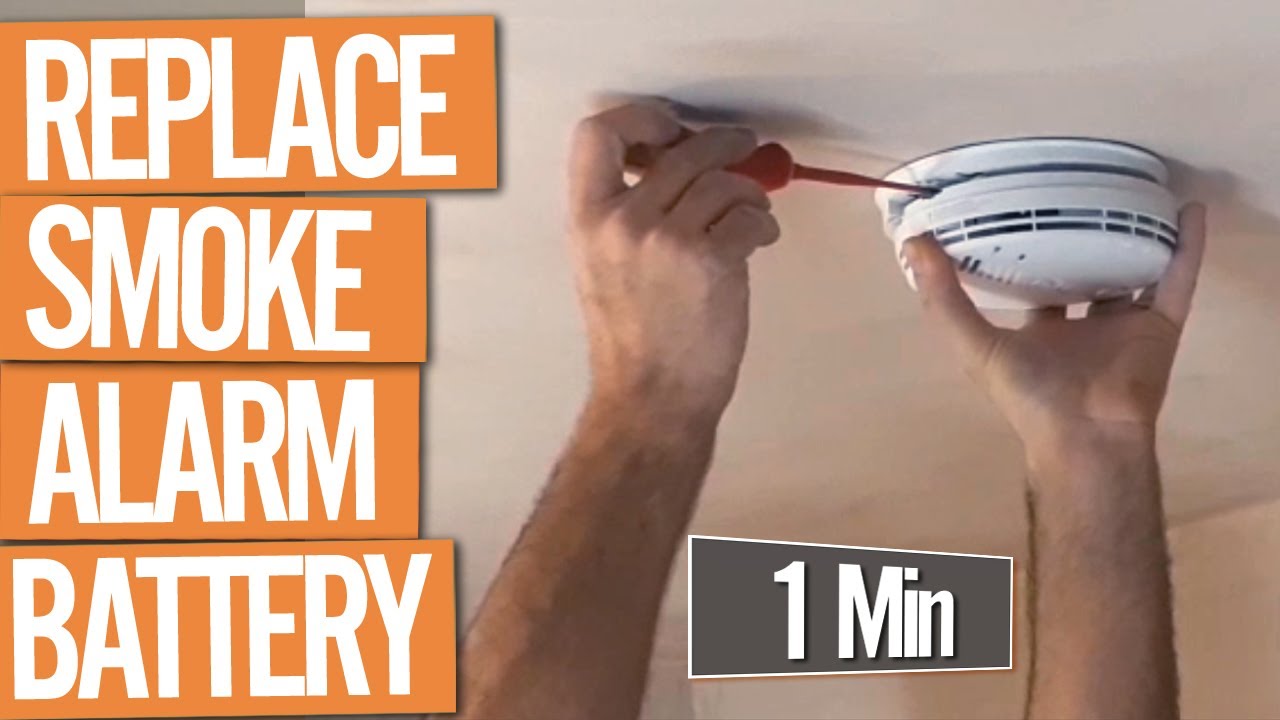
Most smoke alarms are attached to a mounting bracket with a simple twist-and-remove motion. Sometimes, it's a small latch or a couple of screws. A quick glance usually reveals its secret. Gentle persuasion, not brute force, is the key here. Remember, you're dealing with delicate electronics, not trying to open a jar of pickles.
The Delicate Operation: The Swap
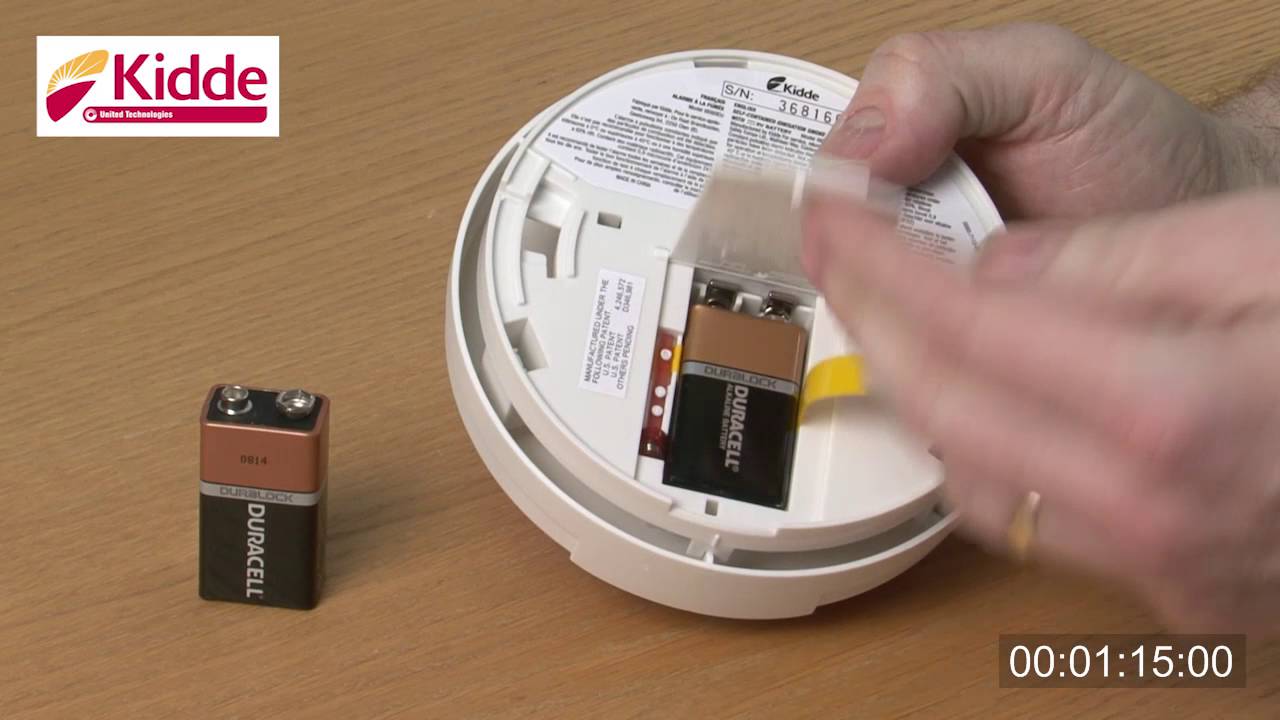
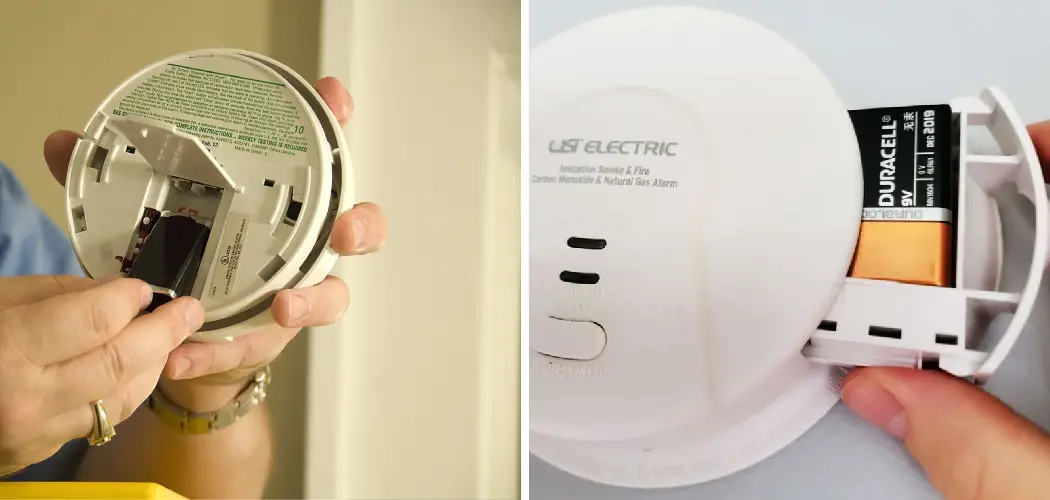
Once you've wrestled the alarm unit from its perch – and congratulations, you've already completed the hardest part! – it's time for the battery swap. You'll usually find a small compartment on the back or side. Slide open the cover, and there it is: the offending, nearly-dead 9-volt.
Observe the polarity! Batteries have a positive (+) and a negative (-) terminal. Make sure your new battery goes in the same way the old one came out. Most smoke alarms have clear markings inside the compartment. It’s like a tiny, high-stakes game of "match the shapes." Pop the old one out, snap the new one in. You should feel a satisfying click.
And then… silence. Oh, glorious, blessed silence. It’s like the heavens have opened, and angels are singing. Or maybe it’s just the sound of your own quiet sigh of relief.

The Grand Finale: The Test
Don't put that alarm back on the ceiling just yet! There’s one final, crucial step: the test. Every smoke alarm has a test button. Press and hold it firmly. Get ready for it… a loud, piercing, sanity-shattering BEEEEEEEP! It's confirming it's working, not trying to give you a heart attack. If it emits a healthy, sustained shriek, congratulations, you've successfully replaced your battery and confirmed your alarm is operational.
Now, carefully reattach the alarm to its ceiling bracket. Twist it back into place until it's snug. Step back. Admire your handiwork. You, my friend, are a domestic hero. You have vanquished the chirping demon and restored peace to your abode.
Pro Tips for the Vigilant Hero
1. Change batteries annually: Most experts recommend changing smoke alarm batteries at least once a year. A good trick is to do it when you change your clocks for daylight saving time – "spring forward, change batteries."
2. Don't ignore the alarm: If your smoke alarm goes off unexpectedly, don't just pull the battery. Investigate the cause. Better safe than sorry!
3. Replace the whole unit: Did you know smoke alarms themselves have a shelf life? Most manufacturers recommend replacing the entire unit every 8-10 years. Even if the battery works, the sensors degrade over time. Check the manufacturing date on the back of your alarm!
So, the next time that infernal chirp starts its midnight serenade, don't despair. You are now equipped with the knowledge, the wit, and hopefully, a spare 9-volt to conquer the challenge. Go forth, silent hero, and enjoy the sweet, sweet sound of nothing at all.