
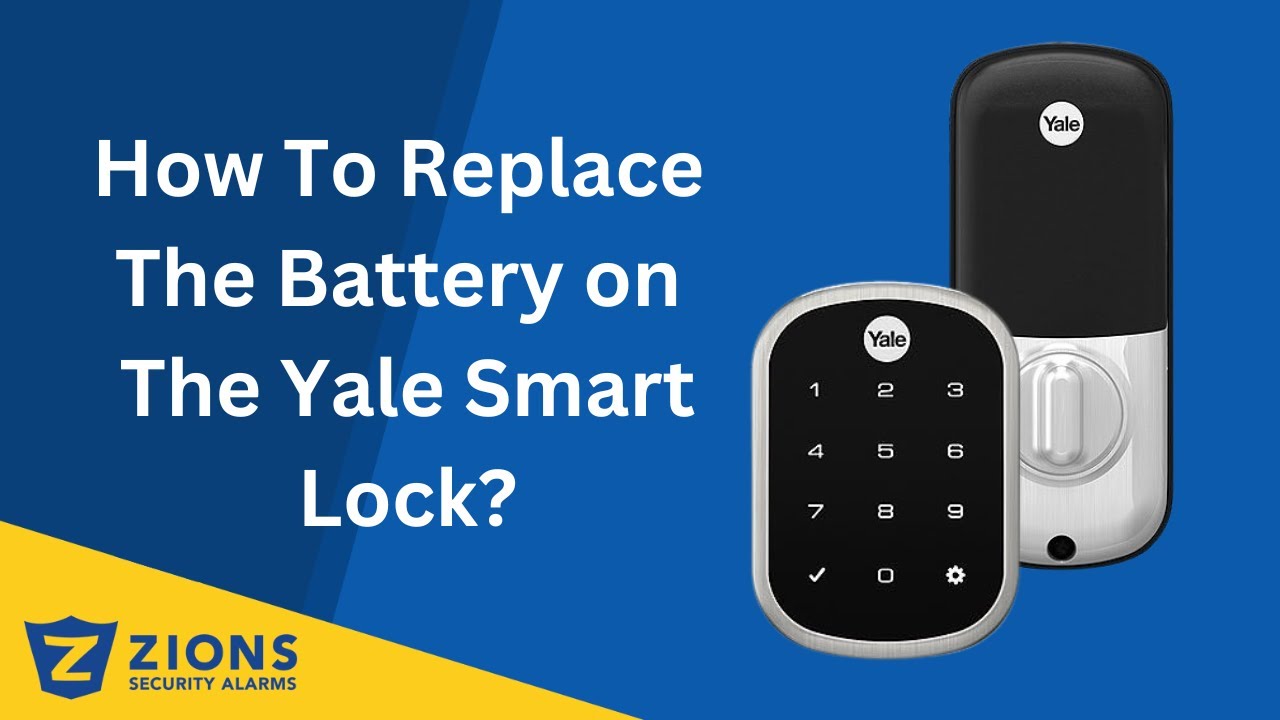
How To Replace Battery In Yale Door Lock

Alright, gather 'round, folks, and lend me your ears, because today we're tackling a problem that has plagued modern homeowners since the dawn of the smart lock: the dreaded low battery warning on your Yale door lock. You know the one. That persistent, high-pitched chirp that starts subtly, then escalates into a full-blown siren, making you question every life choice you've ever made that led to this moment of technological tyranny.
It's usually late at night, isn't it? You've just settled down with a mug of something warm, maybe contemplating the meaning of life, when BEEP-BEEP-BEEP! Your Yale lock, which usually just quietly does its job of keeping the baddies out and your cat in, suddenly decides it's an alarm clock for your existential dread. And for a split second, your brain short-circuits. Is it a security breach? Has someone picked the lock? Is the house haunted by a disgruntled digital poltergeist?
Take a deep breath. Exhale. Relax. It's none of those things, my friend. It's just your sophisticated, interconnected, internet-of-things-enabled door lock politely (or, let's be honest, aggressively) asking for a snack. Specifically, some fresh AA batteries. Yes, even in the age of facial recognition and AI-powered vacuums, our cutting-edge door locks still rely on the humble AA. It's like finding out your Tesla runs on artisanal hamster power.
Must Read
The Great Battery Heist: What You'll Need
Before we embark on this epic quest to silence the metallic cry for help, let's arm ourselves. The good news? You won't need a soldering iron, a degree in electrical engineering, or even a YouTube tutorial that's secretly a five-hour infomercial for a specialty screwdriver set.
- Four fresh AA batteries: And I mean fresh. Don't go rummaging in that dusty drawer of "miscellaneous" items for the ones that came with your old Walkman. We need peak performance here. These locks are surprisingly discerning.
- A small Phillips head screwdriver: The kind you usually lose five minutes after buying it. If you have a multi-tool, congratulations, you're already ahead of 90% of the population.
- About five minutes of your time: Seriously, this is quicker than making toast.
- A calming beverage of your choice: Optional, but highly recommended for moral support.
Operation Inner Sanctum: Locating the Power Core
Now, here's where things get interesting. Your Yale lock has two halves: the one on the outside that strangers see (and try to pick, if they're movie villains), and the one on the inside that's usually covered in dust bunnies and your children's sticky fingerprints. We're interested in the latter. The indoor unit.
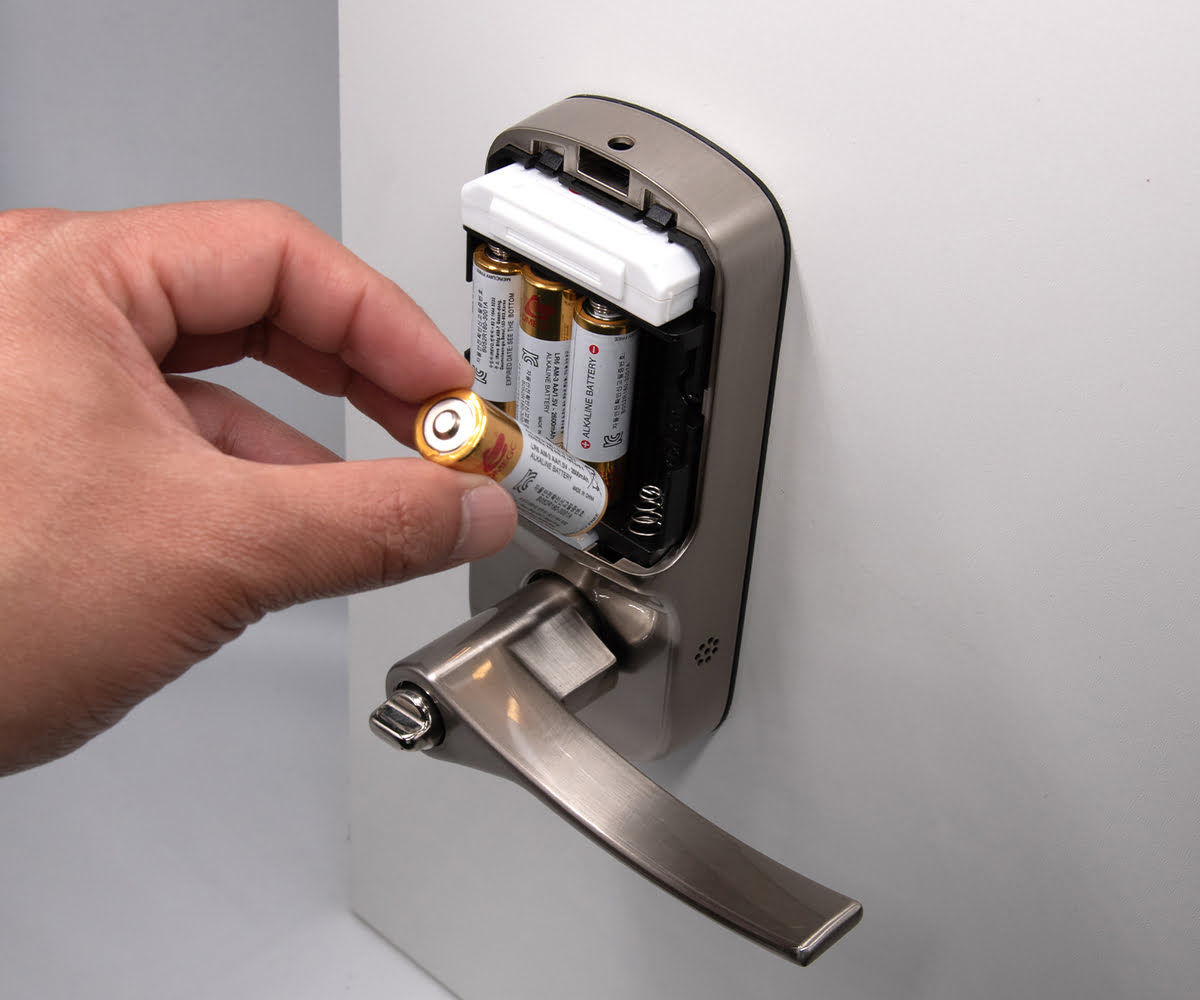
Why the indoor unit? Because Yale, in its infinite wisdom, knows you probably don't want to expose the delicate battery innards to the elements, or to potential ne'er-do-wells who might mistake your battery compartment for a secret vault. Plus, it's just easier to do it from the comfort of your own home, away from judging squirrels.
Take a gander at the back of your lock – the part that faces into your house. You'll usually see a cover, often with one or two small screws holding it in place. Sometimes, it's a sliding panel, but more often than not, it's a screw job. This is not a time for brute force, unless you enjoy explaining to your spouse why the door handle is now dangling precariously by a single wire.
The Grand Unveiling: A Battery Ballet
Grab your trusty Phillips head screwdriver. With the precision of a brain surgeon (or at least someone trying not to strip a tiny screw), carefully unscrew the fasteners on the battery cover. Don't worry, the lock won't suddenly spring open and expose the secrets of the universe. It just wants its dinner.
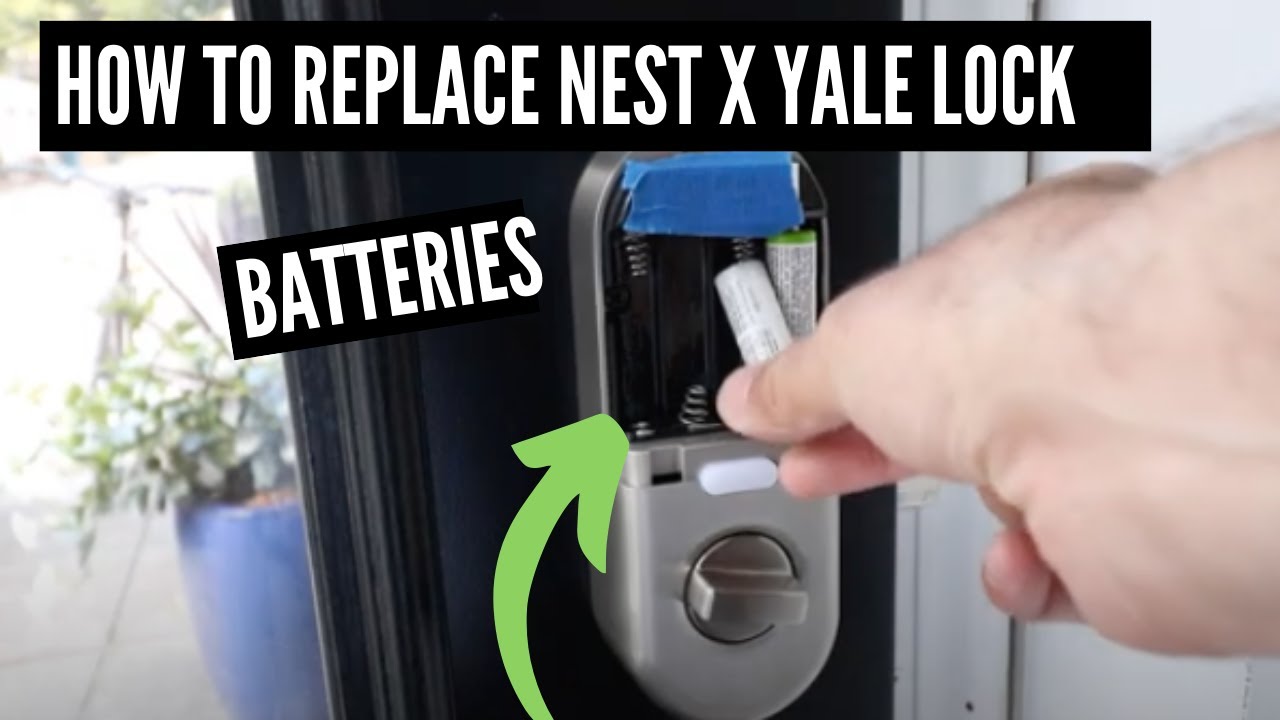
Once the screws are loose, gently remove the cover. Ta-da! Behold, the heart of your smart lock: four weary AA batteries, probably looking as exhausted as you feel after a long Monday. They've served you well, but their time is up. Give them a moment of silence for their faithful service, then promptly pop them out. Don't throw them in the regular trash, though. Be a good human and recycle them responsibly!

Now for the main event: installing the fresh batteries. This isn't rocket science, but it's important to get it right. Notice the little "plus" (+) and "minus" (-) symbols inside the battery compartment? They're not just there for decoration. Make sure you match the battery's polarity to the symbols. Plus to plus, minus to minus. It's like a tiny, metallic jigsaw puzzle, but with far less potential for existential frustration.
Push them in firmly, ensuring they're all snug and properly seated. You might hear a little whirring sound, or see a light flash. That's your lock waking up, stretching, and letting out a digital yawn. It's alive! It's alive!
The Moment of Truth & Becoming a DIY Legend
With the new batteries happily nestled in their new home, it's time to replace the cover. Align it carefully, then re-insert those tiny screws. Don't overtighten them! A gentle snugness is all that's required. You're not trying to secure a submarine hatch; you're just putting a lid on a battery box.
Now, test it! Try locking and unlocking your door a couple of times. Does it sound happier? Is the menacing beep gone? Has peace returned to your household? Congratulations, you've done it! You've stared down the terrifying prospect of a low-battery smart lock and emerged victorious. You are a DIY superhero. Go forth and brag to your friends.
A Few Pro Tips for the Newly Crowned Battery Baron:
- Longevity matters: Most Yale lock batteries last 6-12 months, depending on usage. If you're constantly locking and unlocking, they'll drain faster than a politician's promise.
- Alkaline is king: While rechargeable batteries seem like a smart move, stick to non-rechargeable alkaline batteries for your door lock. Their voltage output is more consistent, which these smart locks prefer. Think of it as giving your lock its favorite gourmet meal.
- Don't procrastinate: When you hear that first little peep, don't wait for it to become a full-blown alarm. Replace them then. It's like changing your oil; preventive maintenance saves future headaches (and panic attacks).
- Keep spares handy: Do yourself a favor and keep a pack of AA batteries in a designated "smart lock emergency" drawer. You'll thank me when the beep strikes again at 3 AM.
So there you have it. The mystery is solved, the crisis averted, and your Yale door lock is happily humming along, ready to secure your castle for another year. And you, my friend, are now officially a master of modern home maintenance. Now, if you'll excuse me, I think my TV remote needs some attention...