How To Remove Skin Tags From Dogs
Alright, gather 'round, dog lovers! Let's talk about something almost as annoying as that neighbor who waters their lawn at 5 AM: skin tags on your furry pal. Those little dangly bits that suddenly appear like unwanted party guests. What are they, and more importantly, how do we politely (or not so politely) evict them?
First things first: I am NOT a vet! If your dog's suddenly sprouted a whole field of skin tags overnight, or if the dangly bit is oozing something that looks like melted crayon wax, see a professional, okay? This is just friendly advice from a fellow dog devotee who's spent way too much time Googling "dog skin weirdness."
What ARE These Things, Anyway?
Skin tags, officially known as acrochordons, are basically harmless little growths. Think of them as tiny, benign tumors throwing a party on your dog's skin. They're usually soft, fleshy, and often found in areas where skin rubs together: armpits, groin, around the neck – prime real estate for skin tag tourism, apparently.
Must Read
Why do they appear? Nobody really knows for sure. Some say it's genetics, others blame it on friction, and a few whisper darkly about ancient canine curses. The truth is probably a boring combination of several factors. Just be glad your dog isn’t suddenly speaking in tongues or levitating. Skin tags? We can handle that.
Should You Even Bother?
Honestly? If the skin tag is small, not bothering your dog, and not growing faster than your teenager's shoe size, you might just leave it alone. Think of it as a quirky beauty mark! Maybe name it. "Bartholomew the Skin Tag" has a certain ring to it, don't you think?

However, if it's getting in the way (like, constantly getting snagged on things), bleeding, or just plain ugly (hey, I'm just being honest!), you might want to consider removal. Just remember: don’t grab the kitchen scissors and go all Edward Scissorhands on your pup! That’s a one-way ticket to a very angry dog and a hefty vet bill.
The (Somewhat) Safe Removal Methods
Okay, here are a few methods people sometimes use. Again, I am not endorsing these as replacements for professional veterinary care. Consider this the “I heard from a guy who knows a guy…” level of advice.

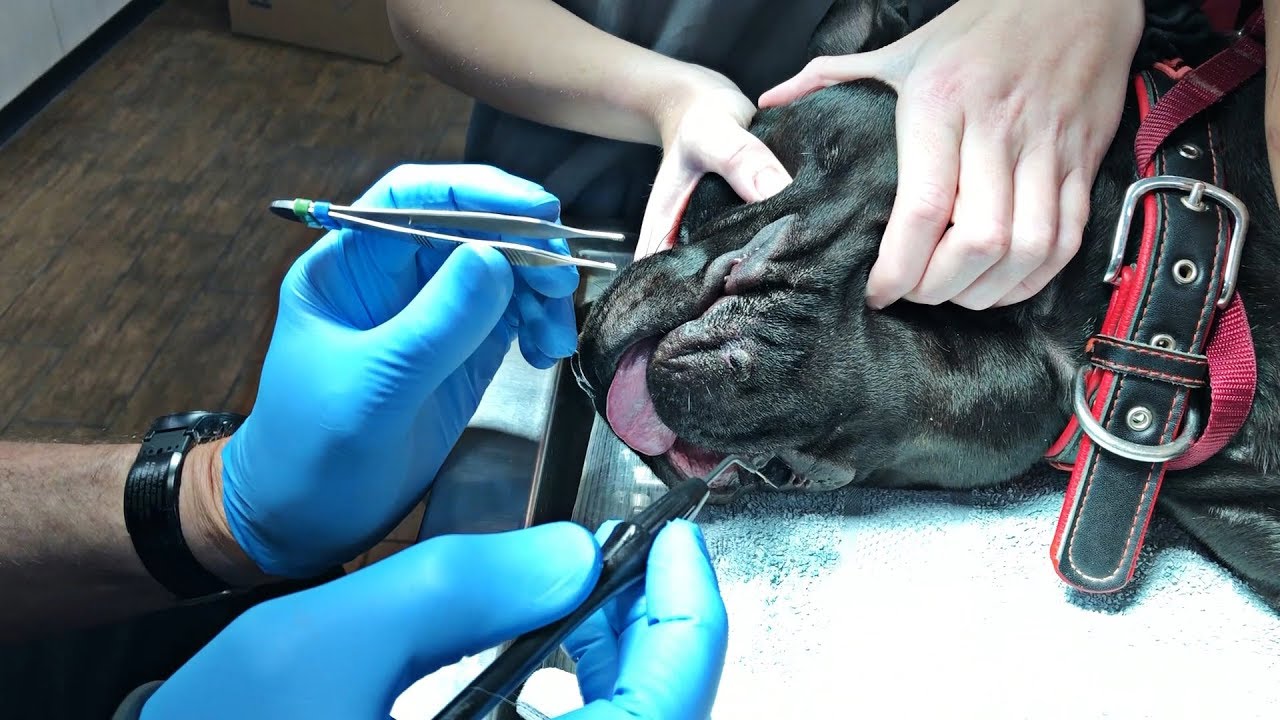
- The Vet's Office: Your Best Bet. Seriously. They can freeze it off (cryosurgery), surgically remove it, or zap it with a laser. It’s quick, relatively painless (for the dog, anyway), and you get the peace of mind knowing a trained professional did it. Plus, they can test the thing to make sure it's not actually something sinister disguised as a skin tag.
- Ligation (The Dental Floss Method): The idea is to tie off the base of the skin tag with dental floss (or thin thread) to cut off its blood supply. It’s like putting the skin tag on a starvation diet. The theory is that it will eventually wither and fall off. The reality is that it can be tricky to do properly, and you risk infection if you’re not careful. And let's be honest, trying to tie dental floss around a wiggling dog's armpit is an Olympic sport. Also, there is a chance the dental floss method could cause your dog pain. So use at your own risk.
- Apple Cider Vinegar (The Home Remedy Hustle): Some people swear by dabbing apple cider vinegar on the skin tag daily. The supposed acidic properties will, allegedly, break down the tissue. Again, results are mixed. At best, it might slightly shrink the skin tag. At worst, it could irritate your dog's skin. Plus, your dog will smell like a salad. Not the worst thing, I guess.
Things to AVOID Like the Plague (or a Rabid Squirrel)
Seriously, folks, resist the urge to DIY your way to skin tag removal with any of these:
- Over-the-counter human skin tag removers: These are formulated for human skin, which is different from canine skin. They can cause serious irritation, burns, and potentially even poisoning if your dog licks them. NO. JUST NO.
- Cutting, slicing, or dicing with household tools: I cannot stress this enough. You are not a surgeon. Your kitchen knives are not surgical instruments. Your dog will hate you. The skin tag will probably just bleed a lot. And again, vet bill!
- Ignoring it if it changes: If the skin tag suddenly grows, changes color, starts bleeding, or your dog starts obsessively licking it, get to the vet ASAP. It might not be a skin tag at all. It could be something more serious.
The Moral of the Story
Skin tags are usually harmless, but when in doubt, always consult your vet. They’re the experts, and they can help you make the best decision for your furry friend. And remember, a happy, healthy dog is worth more than a perfectly skin tag-free canine companion. Now go give your dog a cuddle (and maybe check for any suspicious dangly bits… just kidding… mostly).
Good luck, and may your dog's skin remain perpetually tag-free!