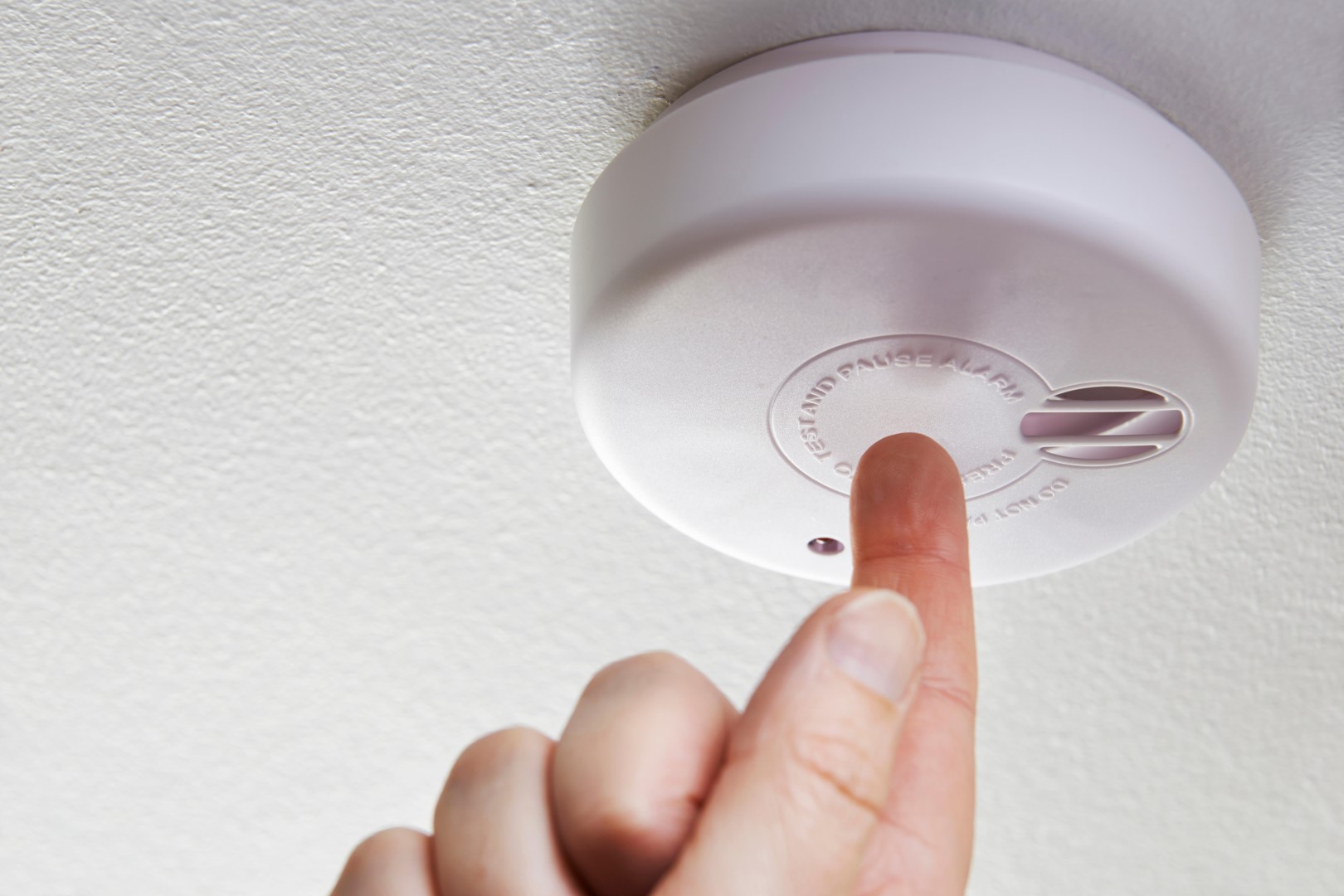
How To Remove Carbon Monoxide Detector

In a world brimming with how-to guides for everything from sourdough starters to intricate coding, there are some phrases that just pop. They demand a second look, a double-take, and perhaps, a chuckle. One such gem that’s been subtly gaining traction in niche creative circles, not for its literal instruction, but for its sheer conceptual elasticity, is the curious notion of "How To Remove Carbon Monoxide Detector."
Now, before anyone reaches for a screwdriver or panics about home safety (we'll get to that!), let's clarify: we're talking about embracing this phrase as a delightful springboard for unconventional artistic thought. It’s not about literal de-installation, but about deconstructing the idea itself. For artists, hobbyists, and anyone with a playful mind, it offers a surprisingly rich vein of inspiration. It teaches us to look beyond the obvious, to question functionality, and to find humor or profundity in the everyday mechanisms that keep us safe.
The benefits of grappling with such an absurdly specific prompt are manifold. For conceptual artists, it’s an exercise in challenging utility and exploring societal anxieties around safety. Writers can weave tales around the metaphor of "removing a detector"—perhaps silencing an inner warning, or literally a character named "Detector" from a mystery plot! Comedians find gold in the incongruity, while graphic designers might explore visual paradoxes. It's about developing lateral thinking skills, forcing your brain to connect seemingly unrelated ideas and find new meaning in them.
Must Read
Consider the myriad variations! Imagine a minimalist sculptor creating an "anti-detector" piece that emphasizes absence, or a performance artist engaging in a silent, exaggerated pantomime of "removal" that comments on our relationship with technology. Perhaps it’s a short story where a character’s journey is about metaphorically "removing" the constant, nagging alarms of their own self-doubt. Or a painter might depict a whimsical scene where cartoon characters are attempting to remove a brightly colored, utterly non-functional detector from a giant cake. The key is to interpret "remove" as a conceptual act, not a physical one.

Ready to try this fascinating creative challenge at home? Here are some tips. First and foremost, and this cannot be stressed enough: never tamper with a functional carbon monoxide detector or any other safety device in your home. This exercise is purely intellectual and artistic. With that firmly in mind, grab a notebook. Brainstorm what "detection" means to you, or what "removal" could symbolize. Could it be about shedding a bad habit? Deconstructing a flawed argument? Silencing negative self-talk? Write a poem, sketch a comic, or even compose a quirky piece of music inspired by the sound of an alarm being "removed." Use props, metaphors, and your wildest imagination. Think about the irony, the implications, and the sheer fun of turning a practical instruction into a philosophical query.
Ultimately, engaging with "How To Remove Carbon Monoxide Detector" as a creative prompt is so enjoyable because it liberates the mind. It allows us to play with language, challenge our assumptions, and discover that inspiration can truly be found in the most unexpected and hilariously precise places. It’s a testament to the power of imagination, all while keeping your actual home perfectly safe and monitored!