
How To Recrown A Air Rifle Barrel
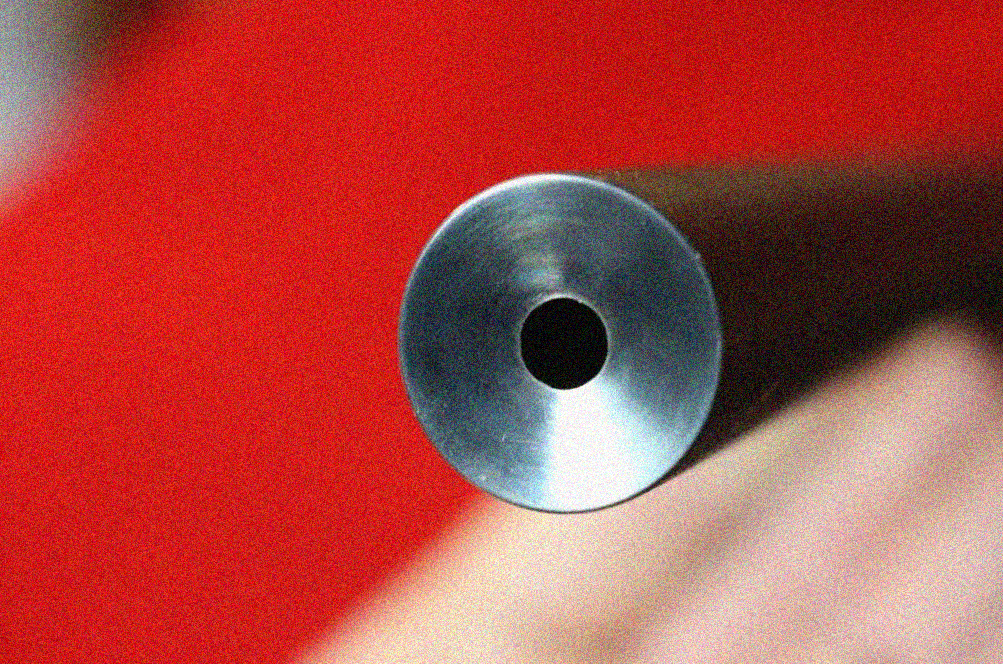
Hey there, fellow airgun enthusiast! Ever notice your trusty air rifle's accuracy kinda...slipping? Maybe it's not you (though, you know, practice always helps!), but the barrel's crown. Yep, that little opening at the end of the barrel can make or break your shot.
Think of the crown as the final kiss the pellet gets before soaring off to its target. A damaged crown? That's like a bad breakup – messy and inaccurate! So, what's a shooter to do? Recrown that barrel, of course! But how, you ask? Well, grab a coffee (or your favorite beverage) and let's dive in. We'll keep it simple, I promise.
Why Recrown Anyway?
Okay, before we get our hands dirty, let's chat about why we're even doing this. What's the big deal about a little nick on the barrel's end? Trust me, it's a big deal.
Must Read
A perfectly crowned barrel ensures the pellet exits cleanly and consistently. No wobbles, no unpredictable deviations. Just pure, unadulterated accuracy. A damaged crown, on the other hand, can cause all sorts of havoc. Dents, burrs, unevenness... these all disrupt the airflow around the pellet as it leaves the barrel. The result? Fliers, inconsistent groupings, and a whole lot of frustration. And who needs more frustration in their life, right?
Think of it like this: it’s the same reason you make sure to put a good crust on a steak. It doesn’t have to be perfect, but a little love goes a long way.

Tools of the Trade
Alright, time to gather our supplies! Don’t worry, you don’t need a NASA-level workshop. Just a few key items:
- Recrowning tool: This is the star of the show! You can find these online or at your local gun shop. Make sure you get one that's compatible with your barrel's caliber.
- Cutting oil: This helps lubricate the process and prevents the tool from getting too hot. (Think of it as sunscreen for your metal!)
- A sturdy vise: To hold your barrel securely. Safety first, people!
- Fine-grit sandpaper: For polishing things up. (Because who doesn't like a shiny barrel?)
- Cleaning rod and patches: To remove any debris. Cleanliness is next to... well, you know.
Do you really need all these? Well, you could try improvising with a rusty nail and some duct tape… but I wouldn't recommend it. Let's do this right!
Let's Get Crowning! (The Barrel, That Is)
Okay, deep breath. It's not brain surgery, but it is important to be careful and methodical. Here's the breakdown:
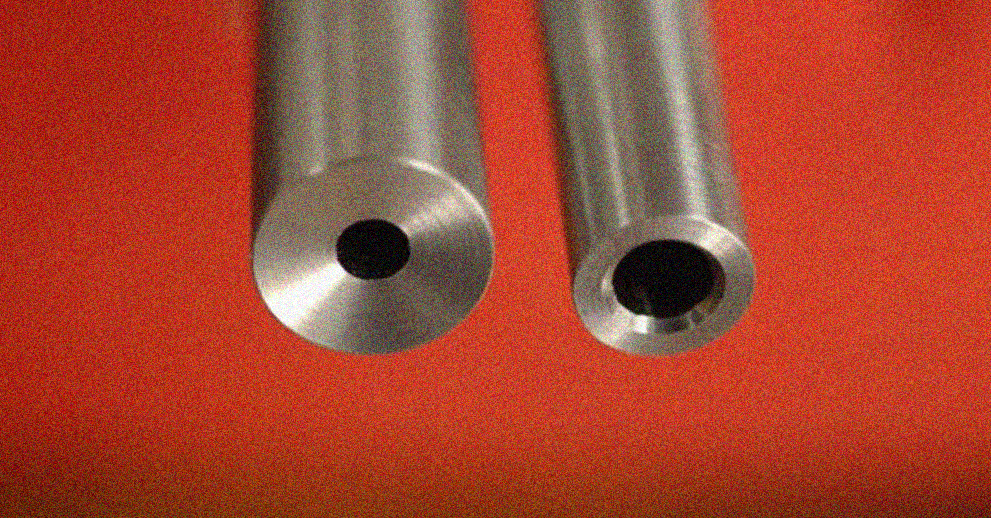
- Secure the barrel: Gently clamp your barrel in the vise, making sure it's not too tight. You don't want to damage the rifling.
- Apply cutting oil: Generously apply cutting oil to the barrel crown and the recrowning tool.
- Insert the tool: Carefully insert the recrowning tool into the barrel. Make sure it's properly aligned.
- Rotate and apply pressure: Slowly and steadily rotate the tool, applying gentle pressure. Don't rush it! Let the tool do the work. You should see tiny shavings of metal coming off.
- Check your progress: Periodically remove the tool and inspect the crown. You're aiming for a smooth, even, and consistent surface.
- Polish (optional): If you want a super-smooth finish, use fine-grit sandpaper to gently polish the crown.
- Clean: Thoroughly clean the barrel with a cleaning rod and patches to remove any metal shavings or oil residue.
Sounds easy, right? Well, it's not rocket science, but patience is key! Don't try to remove too much material at once. Slow and steady wins the race (and the accuracy contest!).
Test and Tweak
Alright, you've recrowned your barrel. Time for the moment of truth! Head to the range and see if your air rifle is shooting straighter than ever. If not, don't despair! You may need to make slight adjustments or even repeat the process. Recrowning can be a bit of an art, so don't be afraid to experiment until you get the results you're looking for.
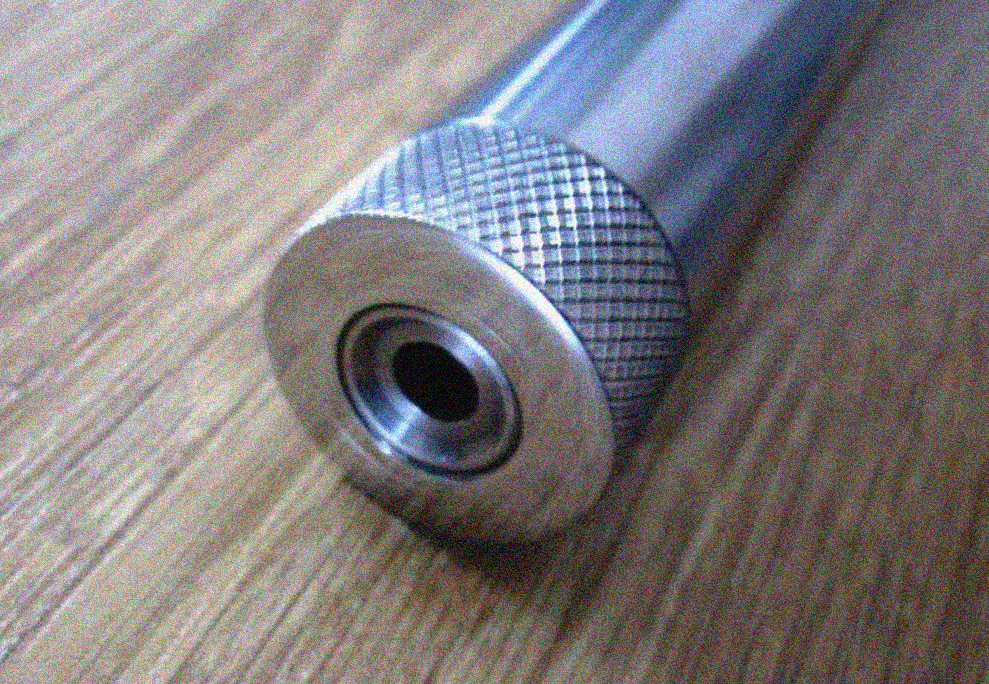
Did your groupings tighten up? Did that pesky flier finally disappear? Awesome! You've successfully recrowned your air rifle barrel. Now go forth and shoot straight!
Important Disclaimer: Working on firearms (even air rifles) can be dangerous. If you're not comfortable performing this procedure yourself, it's always best to consult a qualified gunsmith. Better safe than sorry!
Happy shooting!
