How To Put Out A Oil Fire

Ever been in the kitchen, happily sizzling something delicious, and a tiny, curious thought pops into your head: "What if the oil catches fire?" It’s a perfectly natural question! Rather than a scary thought, let's turn it into an opportunity to learn something genuinely useful and empowering. Understanding how to tackle an oil fire isn't just for professional chefs; it's a bit like having a secret superpower for anyone who cooks at home.
The primary purpose of knowing this isn't to create fear, but to build confidence and ensure safety. The incredible benefit is turning a potentially dangerous situation into a manageable one, protecting your home, your loved ones, and yourself. Imagine the peace of mind knowing you're prepared. It's about taking control, preventing panic, and acting effectively if the unexpected happens. This knowledge can literally save your day, your dinner, and much more.
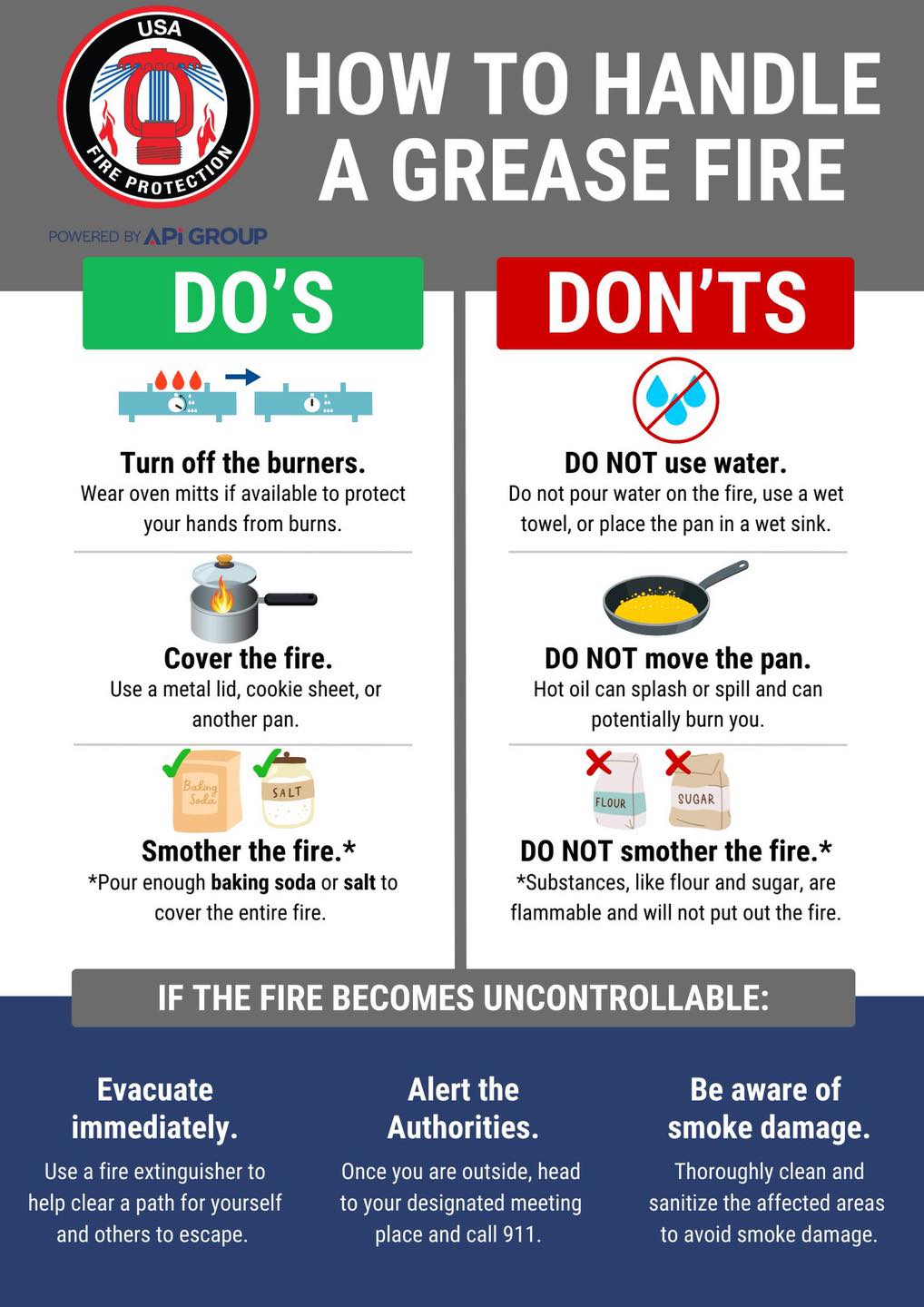
So, how do we tackle these fiery situations? First and foremost, etch this into your memory: NEVER, EVER use water on an oil fire. Water reacts explosively with hot oil, causing it to splatter and spread the flames, making things much worse. Instead, we want to smother the fire, depriving it of oxygen. Here’s the simple, safe approach:
Must Read
- Turn off the heat immediately. This is your very first step.
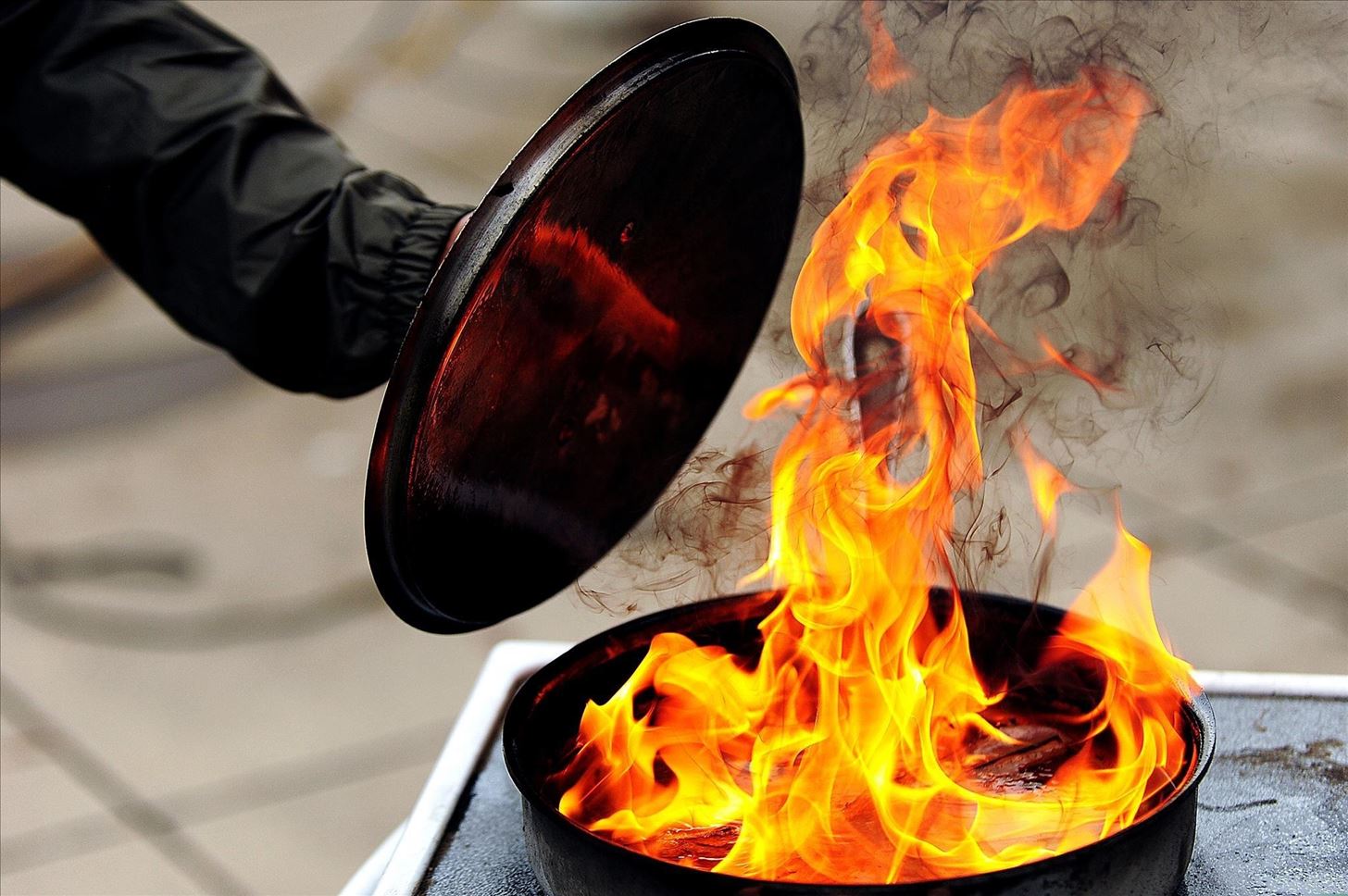
- If it's a small pan fire, carefully slide a metal lid over the pan. This cuts off the oxygen supply. Leave the lid on until everything is completely cool.
- No lid handy, or if it's a slightly larger (but still contained) fire? A generous amount of baking soda (not baking powder!) can work wonders. It releases carbon dioxide, which helps smother the flames.
- For larger or escalating fires where you feel it's safe to do so, a Class B or K fire extinguisher is your best friend. Always aim at the base of the flames. Remember, if a fire feels too big or you're unsure, get everyone out and call emergency services immediately.
Where might this knowledge come in handy in daily life or even education? Think about your own kitchen, of course! But also consider backyard barbecues, camping trips with portable stoves, or even when you're a guest at someone else's house. In an educational setting, home economics classes frequently cover this vital topic, fire departments often run fantastic community safety workshops, and even scout troops learn basic fire prevention and response as part of earning badges. It’s a life skill that crosses many boundaries.
Want to explore this practically? Here are some simple tips: Familiarize yourself with your kitchen layout. Know exactly where your largest pot lid is. Locate your box of baking soda. If you have a fire extinguisher, know where it’s kept and how to operate it (read the instructions before you need it!). A quick chat with family or housemates about these steps can be incredibly valuable. Most importantly, remember that prevention is always the best strategy. Never leave cooking unattended, keep flammable items away from the stove, and regularly clean up grease. Stay curious, stay safe, and happy cooking!