
How To Put Out A Flue Fire

Picture this: It's a crisp evening, maybe the kind where you can just feel the chill nipping at your nose even indoors. You’ve got a roaring fire going in the fireplace, logs crackling, the smell of woodsmoke a comforting presence. You're nestled under a blanket, perhaps with a good book or your favorite show, a hot mug in hand. It’s peak cozy, right? The kind of moment that makes you think, "Ah, this is the good life."
Now, while that image is pure bliss, it also comes with a hidden, fiery truth that we often overlook in our pursuit of warmth. That chimney, dutifully ushering smoke up and away, is also a silent collector. And sometimes, those collections can decide to throw their own party. A party you absolutely, positively do not want an invitation to. We're talking about a flue fire, my friend. And trust me, it's not nearly as charming as a cozy evening by the hearth.
What Even IS a Flue Fire, Anyway?
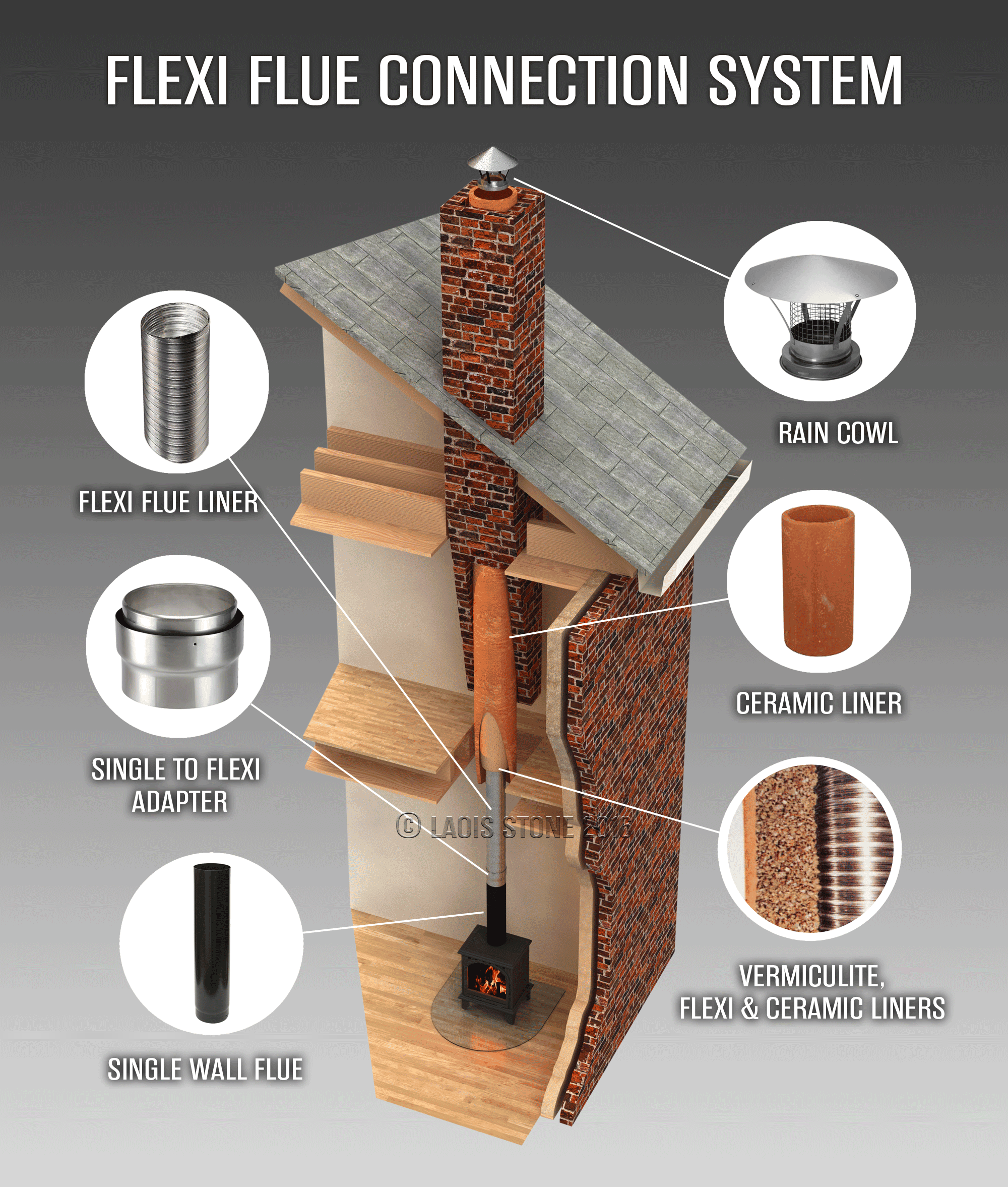
So, what’s the deal? Basically, when you burn wood, especially if it's not super dry or "seasoned," it creates more than just ash. It creates a sticky, tar-like residue called creosote. This gunk loves to cling to the inside of your chimney liner. Over time, it builds up. And guess what creosote loves even more than clinging? Catching fire. Yep, it's highly flammable. Think of it as flammable insulation for your chimney. Not ideal, right?
Must Read
When enough heat or a stray spark hits that creosote buildup, it ignites, and suddenly, you've got a fire inside your chimney. Not in the nice, contained firebox, but literally shooting up the flue. It's like your chimney is trying to become a rocket, but with way less control.
"Oh Crap, I Think I Have One!" - Signs to Look For
Okay, deep breaths. Before we get to the "what to do," let's quickly cover how you'd even know this fiery beast has awakened:
- A Roaring Sound: This is often the first, most terrifying sign. It's not the gentle crackle of your fireplace; it's a sound like a freight train, or a jet engine taking off, coming from your chimney. Seriously, it's loud.
- Vibrations: You might feel the walls or ceiling near the chimney vibrating.
- Intense Heat: The exterior of your chimney might become incredibly hot to the touch. Do not touch it directly if you suspect a fire!
- Dense Smoke/Flames from the Top: Looking outside (safely, of course), you might see thick, black smoke pouring out of your chimney, possibly with sparks or even flames shooting out. Not the picturesque plume we usually aim for.
- Soot/Debris Falling: You might notice a shower of soot, creosote chunks, or sparks falling into your fireplace.
If you see any of these, it's time to shift from cozy mode to "crisis management" mode. But don't panic! Panicking doesn't help anyone, especially not your chimney.
Alright, It's Happening. What Do I Actually DO?!
Here’s the game plan, and pay close attention, because the first step is the most important:

1. CALL 911 / YOUR LOCAL FIRE DEPARTMENT. IMMEDIATELY.
No, really. This isn't a "let me grab the garden hose" situation. Chimney fires can reach insane temperatures (2,000°F!), potentially cracking your chimney liner, setting your roof on fire, or even spreading to other parts of your house. This is a job for the pros. Do not try to handle this alone. Even if you think you've put it out, the fire department needs to inspect for hidden damage.
2. Starve the Beast: Close All Air Inlets!
Oxygen fuels fire, right? So, your goal is to cut off its supply. Close the damper on your fireplace (the metal flap that opens and closes the flue). If you have glass doors, close those too. If there are any air vents on your wood stove, shut them completely. The less oxygen, the less fuel for the fire.
3. Move Combustibles. NOW.
While you're waiting for the firefighters, quickly move anything flammable away from the chimney area. Furniture, curtains, rugs, holiday decorations – get 'em out of harm's way. This helps prevent the fire from spreading if the chimney gets too hot and ignites nearby materials.

4. If You Have a Fire Extinguisher (and feel safe to use it):
If you have an appropriate fire extinguisher (ABC-rated is usually good) and it's safe to do so, spray it directly into the firebox to try and contain any flames there. However, do not try to spray up the chimney. Again, this is a secondary step to calling the professionals.
5. Optional & Old-School (Use with Extreme Caution, and ONLY after calling 911):
Some old-timers might suggest throwing a cup of salt, baking soda, or even sand onto the fire within the fireplace. These can sometimes help to smother small flames or release gases that inhibit combustion. BUT, this is not a substitute for calling 911, and it's certainly not a magic bullet for a full-blown flue fire. Prioritize getting out and letting the pros handle it.

6. Get Out if Instructed, and Wait for the Fire Department.
Your job at this point is done. You've called for help, you've taken preliminary safety measures. Now, prioritize your safety and that of your family. If the fire department tells you to evacuate, do it. Once they arrive, let them take over. They have the training and equipment to deal with this safely and effectively.
Prevention is Your Best Friend!
Look, the best way to handle a flue fire is to never have one. So, here are the absolute essentials for prevention:
- Get Your Chimney Cleaned & Inspected Annually: This is non-negotiable if you use your fireplace regularly. A certified chimney sweep will remove creosote buildup and check for any damage. Consider it a spa day for your chimney!
- Burn Seasoned Wood: Wet or "green" wood produces a lot more smoke and, you guessed it, more creosote. Burn only dry, seasoned wood (typically dried for at least 6-12 months).
- Don't Smother Your Fire: Keep a good air supply to your fire. A slow, smoldering fire creates more creosote than a hot, bright one.
So, next time you're enjoying that beautiful, cozy fire, remember the silent risks. A little bit of knowledge and a lot of common sense can keep your cozy moments truly safe and sound. Stay warm, my friends, but stay smart about it!