
How To Mig Weld Stainless Steel

Ever found yourself admiring a shiny, sleek stainless steel appliance in your kitchen, maybe a fancy BBQ grill, or even a custom railing, and thought, "Wow, I wish I could make or fix something like that?" Well, friend, you're in luck! While stainless steel might sound like something only expert fabricators play with, learning to MIG weld it is totally within reach. Think of it as mastering a new recipe for your DIY toolkit – a recipe for incredibly strong, rust-proof, and good-looking joins!
Why bother with stainless, you ask? Because it's the superhero of metals! It laughs in the face of rust, shrugs off corrosion, and looks fantastic doing it. It's why your best pots and pans, your sleek kitchen sink, and that outdoor grill that survives all weathers are all made of it. And when it comes to joining this wondrous material, MIG welding offers a pretty straightforward path to success, especially for us everyday folks.
Why Stainless Steel is a Bit of a Special Snowflake
You see, stainless steel isn't just regular steel wearing a fancy coat. It has a secret ingredient: chromium. This chromium forms an invisible, super-tough layer that makes it resistant to rust – like a microscopic, self-healing force field. But this very quality means it behaves a little differently when you introduce it to a lot of heat, like from your welder.
Must Read
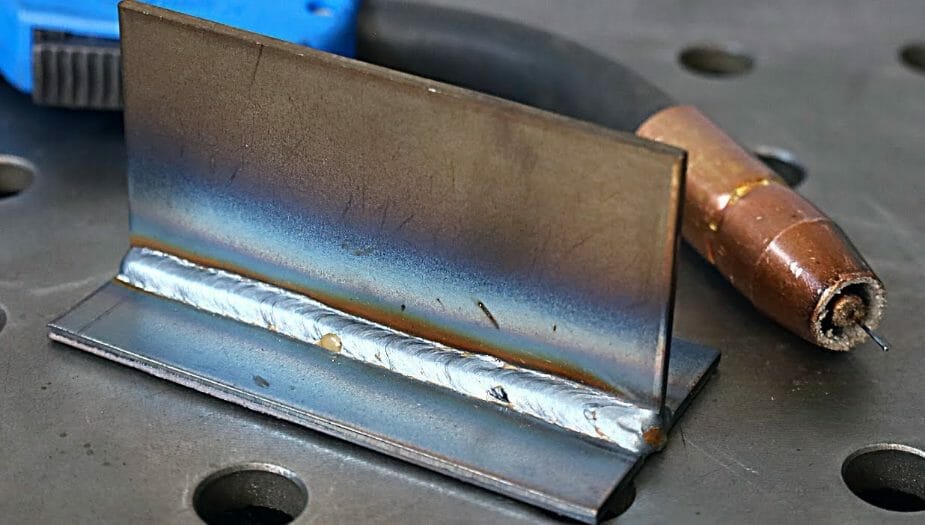
Stainless steel is, shall we say, a bit sensitive to heat. It doesn't like to get too hot for too long. If you linger with your welding torch, you'll end up with something called "sugaring". Imagine leaving marshmallows over a campfire for too long – they get black, burnt, and brittle. That's kind of what happens to the back of your stainless weld if it gets overheated and exposed to air. It looks terrible, and more importantly, it loses its rust-proof superpower. So, our main goal here is to weld it fast and clean.
Gather Your Welding Arsenal (The Right Tools for the Job!)
Before you even think about sparking things up, you need the right gear. It's like trying to bake a cake without flour – it just won't work!
Your Welder: You'll need a standard MIG welder. Think of it as your super-powered hot glue gun, but instead of plastic, it melts metal. Most home MIG welders will do the trick for thinner stainless projects.
The Wire: This is crucial! You absolutely cannot use regular steel welding wire for stainless steel. It would be like trying to make lemonade with oranges – wrong ingredients, wrong outcome. You need stainless steel welding wire, specifically matching the grade of stainless you're welding (like 308L for common grades). The "L" stands for low carbon, which helps prevent carbide precipitation, keeping your weld strong and rust-resistant.
The Gas: Now, this is where many beginners go astray. Your standard Argon/CO2 mix (C25) that works great for mild steel? Nope, not for stainless. For MIG welding stainless, you'll want a special blend, usually called "tri-mix gas". This is typically an Argon, Helium, and CO2 blend. Why? This magical trio is like a personal bodyguard for your molten weld pool, shielding it from oxygen and nitrogen that would otherwise cause that dreaded sugaring and make your weld weak and ugly. It ensures a nice, smooth bead and good penetration.
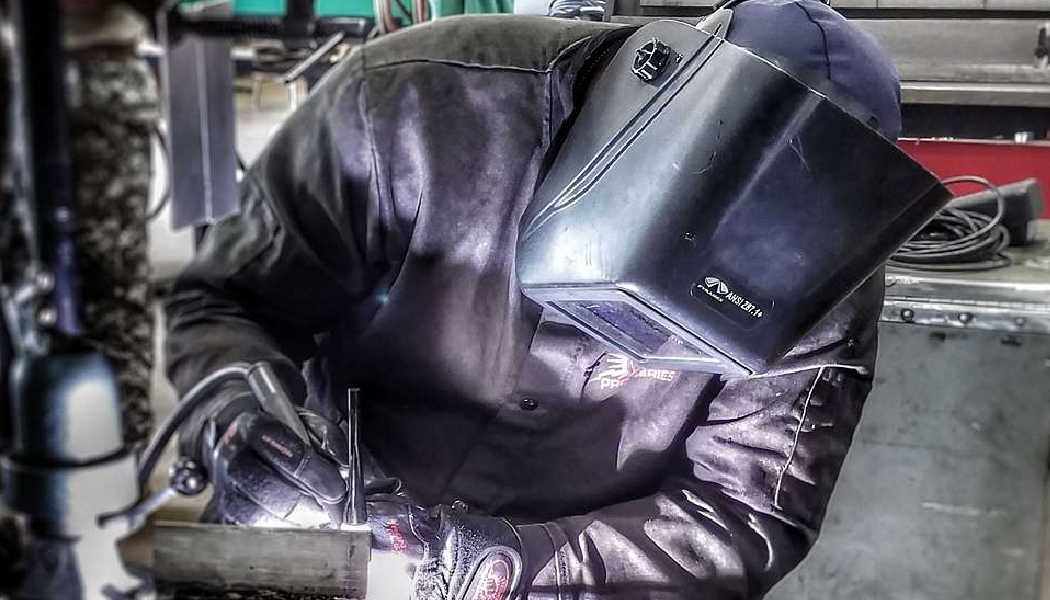
Safety Gear: Don't even think about starting without your welding helmet (auto-darkening is a treat!), thick welding gloves, a long-sleeved jacket (leather or heavy cotton), and closed-toe shoes. Welding is fun, but those sparks and UV rays are no joke. Think of it as your personal superhero suit!
The Nitty-Gritty: Welding Stainless Steel Like a Pro (Almost!)
Alright, gear's ready, safety's checked. Let's talk technique!
Cleanliness is Next to Weld-liness: This can't be stressed enough. Stainless steel is a bit of a clean freak. Any grease, oil, paint, rust, or even fingerprints on your workpiece can contaminate your weld, leading to porosity (little holes) or an ugly, weak bead. Grind it clean! A wire brush designated only for stainless steel is a must too – don't cross-contaminate with mild steel brushes.
Settings Sweet Spot: Start with your welder's recommended settings for stainless steel and the wire size you're using. Then, grab some scrap stainless (always practice on scrap first!) and fine-tune. You're looking for that satisfying, consistent sizzle, not an angry sputtering or a dull, mushy sound. It's a bit like finding the perfect temperature for frying an egg – too hot, it burns; too cold, it never cooks properly.
Travel Speed – Go, Go, Go!: Remember how stainless steel is sensitive to heat? This means you need to weld faster than you would with mild steel. You want to lay down your bead and move on before the heat has a chance to soak in and cause sugaring on the back. It's a quick, decisive motion, like drawing a line with a pen. Don't linger!

The "Push" Technique: For stainless, you generally want to push the puddle. This means holding the torch at a slight angle, pushing the molten puddle forward, rather than dragging it. This helps ensure good gas coverage and a cleaner weld.
Short, Consistent Welds: For thicker pieces, you might need multiple passes, but for most everyday stainless projects, aim for short, consistent beads. Think of it as laying down a neat row of tiny, perfect stitches. Allow the metal to cool a bit between passes if you're doing a particularly long weld, or if the material is thin.
Don't Fret Over Foibles (Common Hiccups)
If your weld looks like a burnt piece of toast on the back, you went too slow or used the wrong gas. Speed up, check your gas bottle, and make sure you're using tri-mix!

If you see tiny holes (porosity) in your weld, it's often a gas coverage issue. Is your gas bottle empty? Is your gas flow set correctly? Are you welding in a drafty area?
If you burn through the material, your heat setting is too high for the thickness, or you moved too slowly. Back off the voltage a tad and pick up your pace.
Why You Should Spark Up the Courage!
Learning to MIG weld stainless steel might seem intimidating at first, but with the right knowledge and a bit of practice, you'll be joining those shiny pieces of metal like a pro. Imagine fixing that broken leg on your stainless steel patio table, building a custom countertop, or even creating some unique stainless steel art for your garden. The satisfaction of creating something strong, beautiful, and utterly rust-proof is immense. Plus, you'll impress all your friends at the next BBQ with your newfound DIY superpower!
So, don't be afraid to take the plunge. Grab some scrap stainless, dial in those settings, and remember: clean, fast, and with the right gas! Happy welding!